

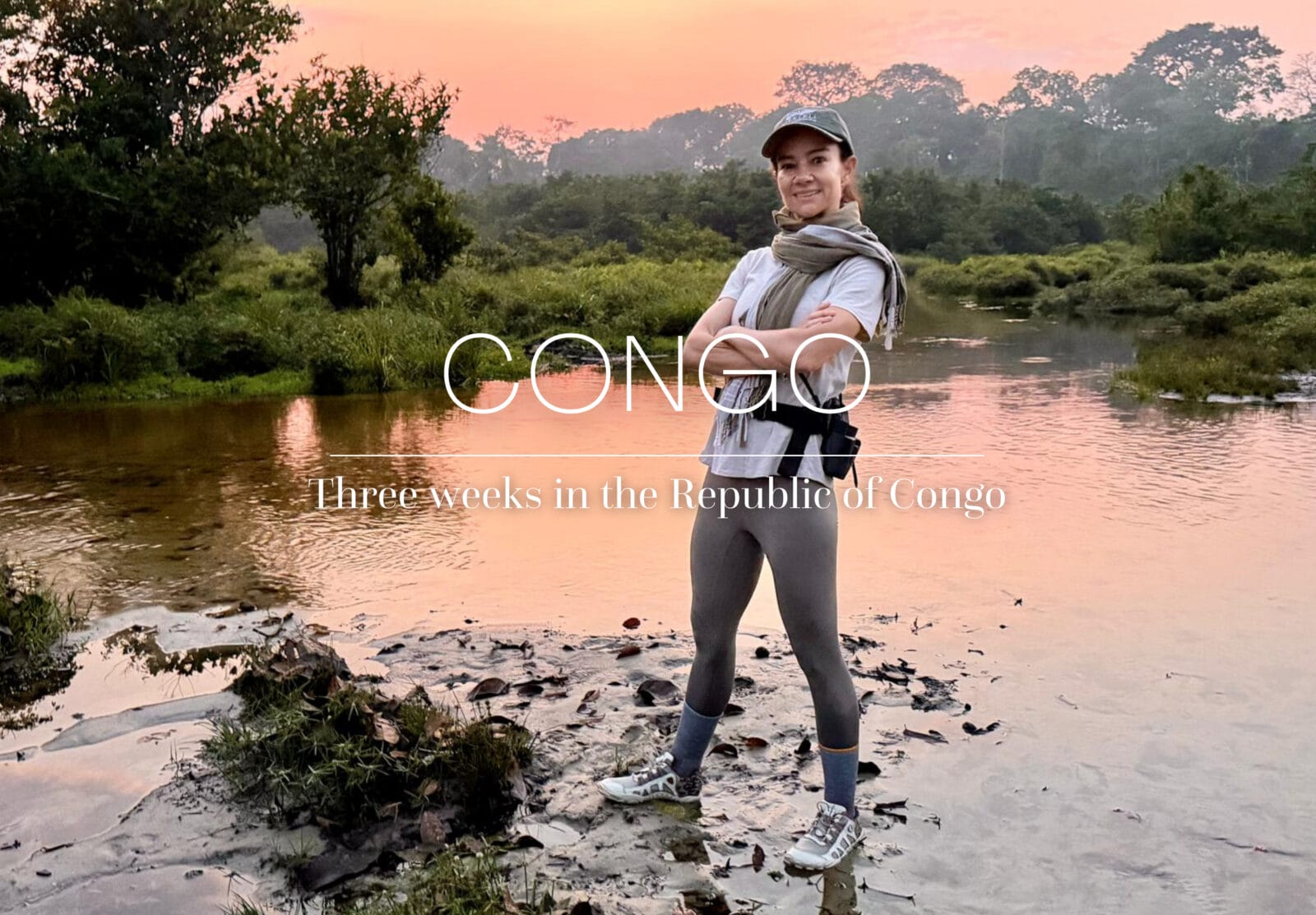
Three weeks in the Republic of Congo
Posted on March 18, 2026, featured in Experiences
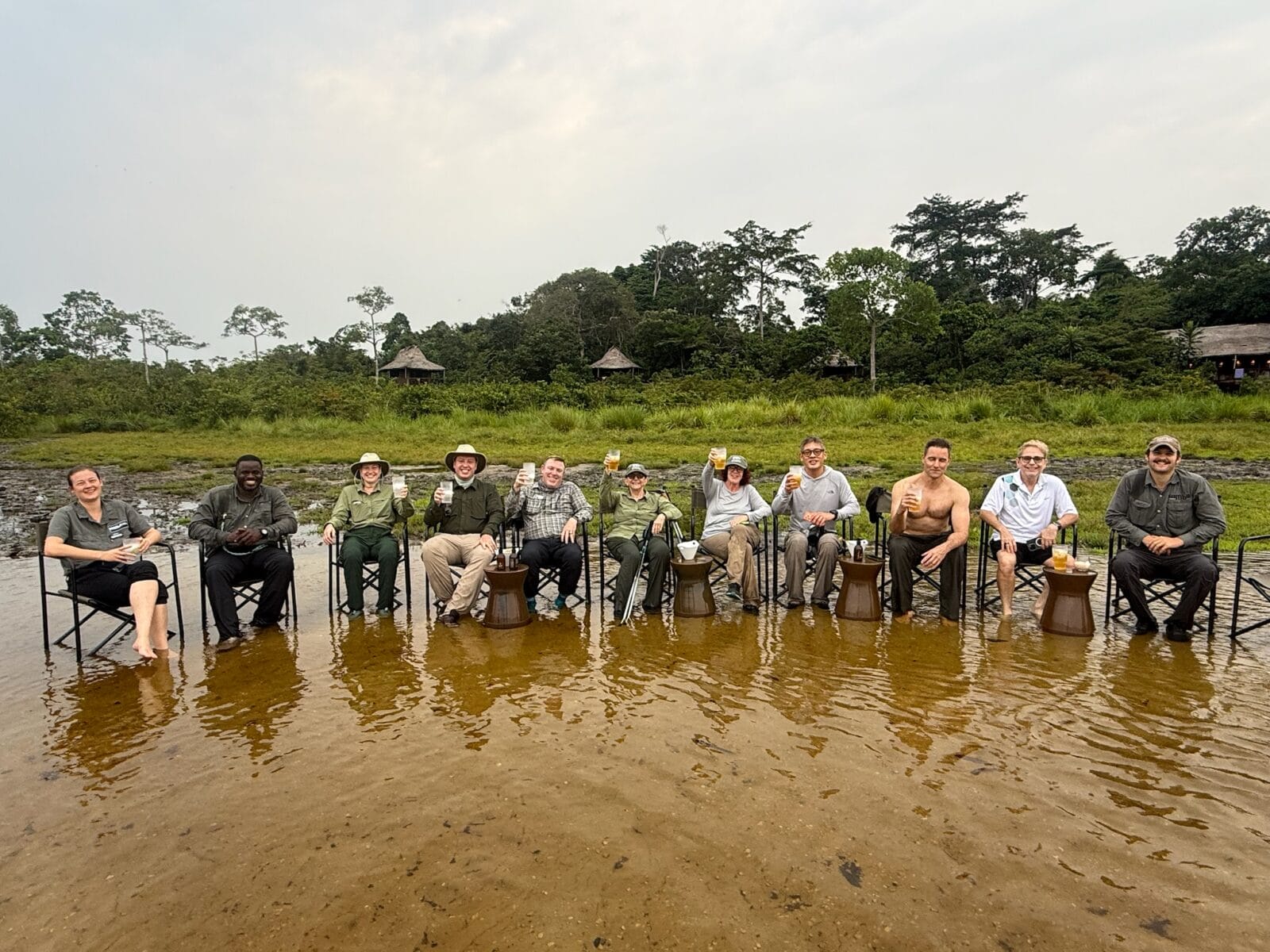
Here’s what I learned on this adventure.
I led two back-to-back groups into Odzala-Kokoua National Park, one of the most untouched, least-visited wild places on Earth. I came home a changed human and humbled, full of joy knowing there were places still undiscovered…
Let me tell you why.
I’m going to start with a number, because it’s the number that stops everyone mid-sentence when I say it out loud.
550 to 600 people visit Odzala-Kokoua National Park per year.
Let that sink in.
PER YEAR. Total.
That’s the same number as a groovy Cape Town hotel’s bed night total in a week…
In a world where everywhere feels discovered, where the Serengeti can get busy during migration time, and Bali’s temples sometimes can have queues, Niagra falls has 13 million visitors (Victoria falls 150 thousand just throwing that in there) Here in congo is a 5.6-million-hectare wilderness in Central Africa that fewer than 600 guests pass through annually. THAT my friend is privilege.
I have just spent three weeks inside it and I need to tell you about it correctly, because it was extraordinary, and because most people who would love it have never even heard of it.
Let’s Get the Obvious Question Out of the Way CONGO SCARY is it safe?
We know the word ‘Congo’ gives people pause and we understand that completely.
Ten years of sending people into wild, remote, and sometimes unfamiliar corners of the world has taught us one thing above everything else: your safety is the foundation that makes all of this possible. If Sikeleli ever gets so much as a whisper of a concern about any destination we operate in, we don’t go, full stop.
The Republic of Congo, which is where we went, and the Democratic Republic of Congo (DRC) are two completely separate countries.
They share a name and are separated by The Congo River.
The Republic of Congo is small, stable, safe, fun, vibrant and wonderful.
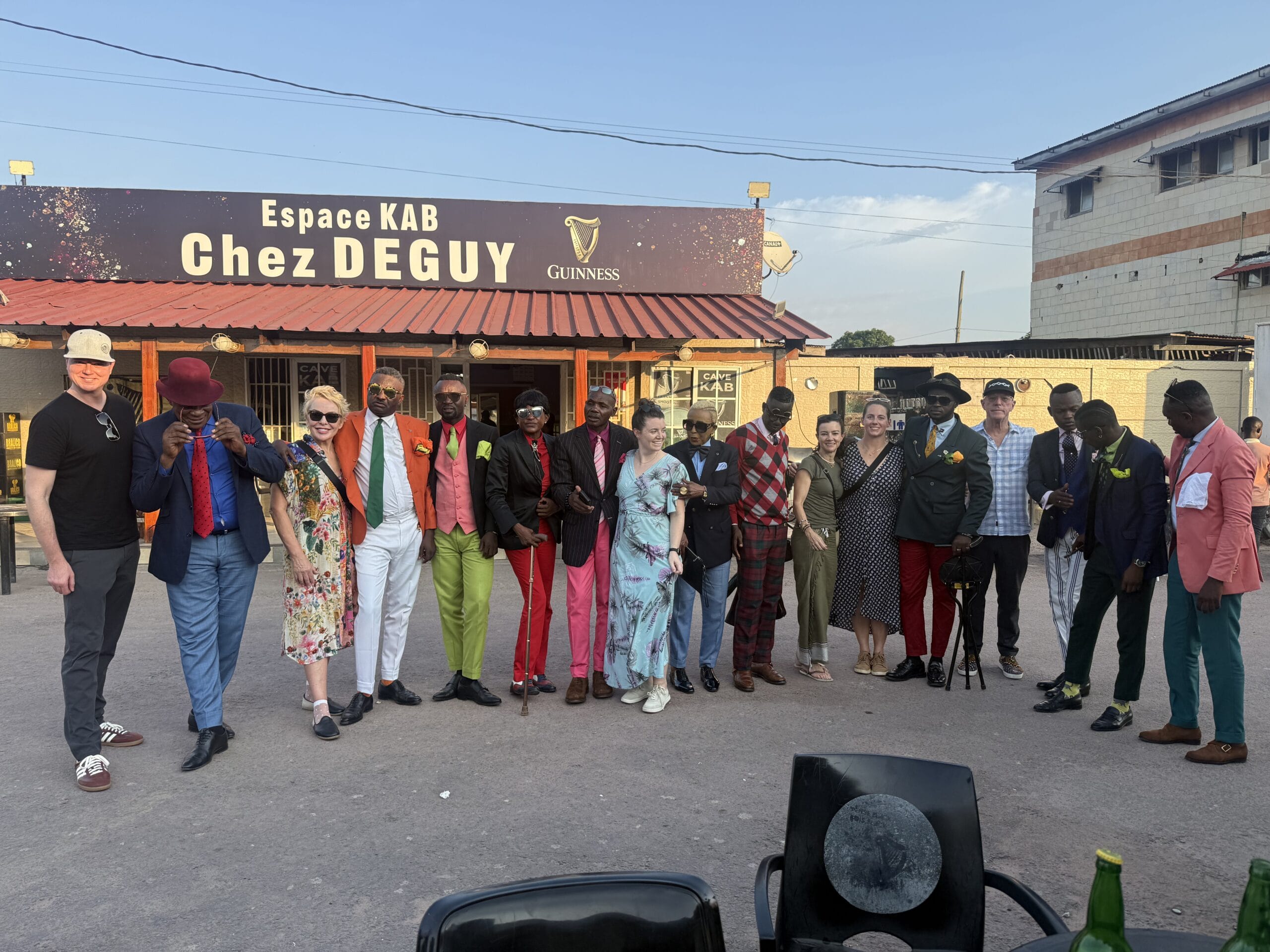
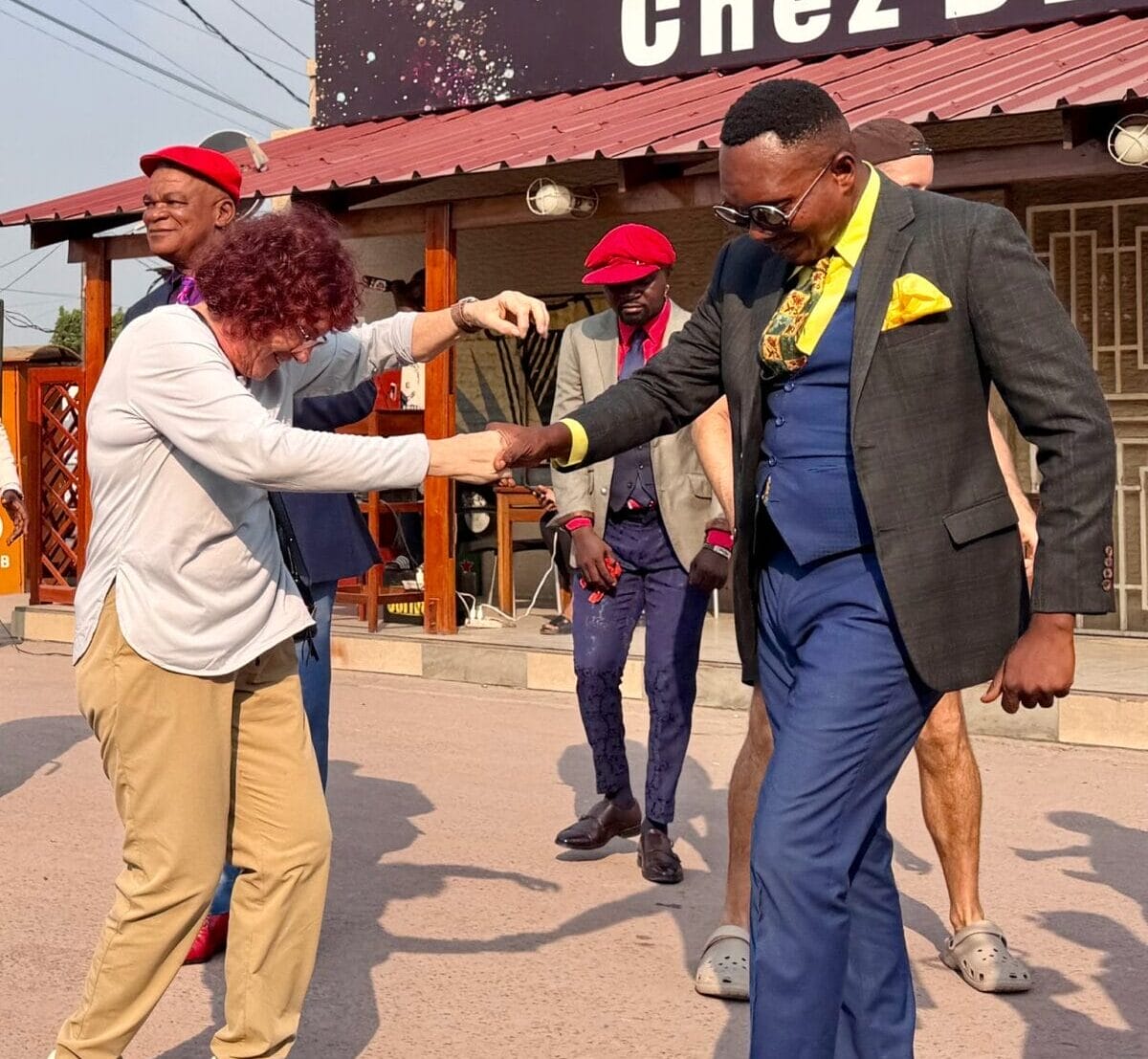
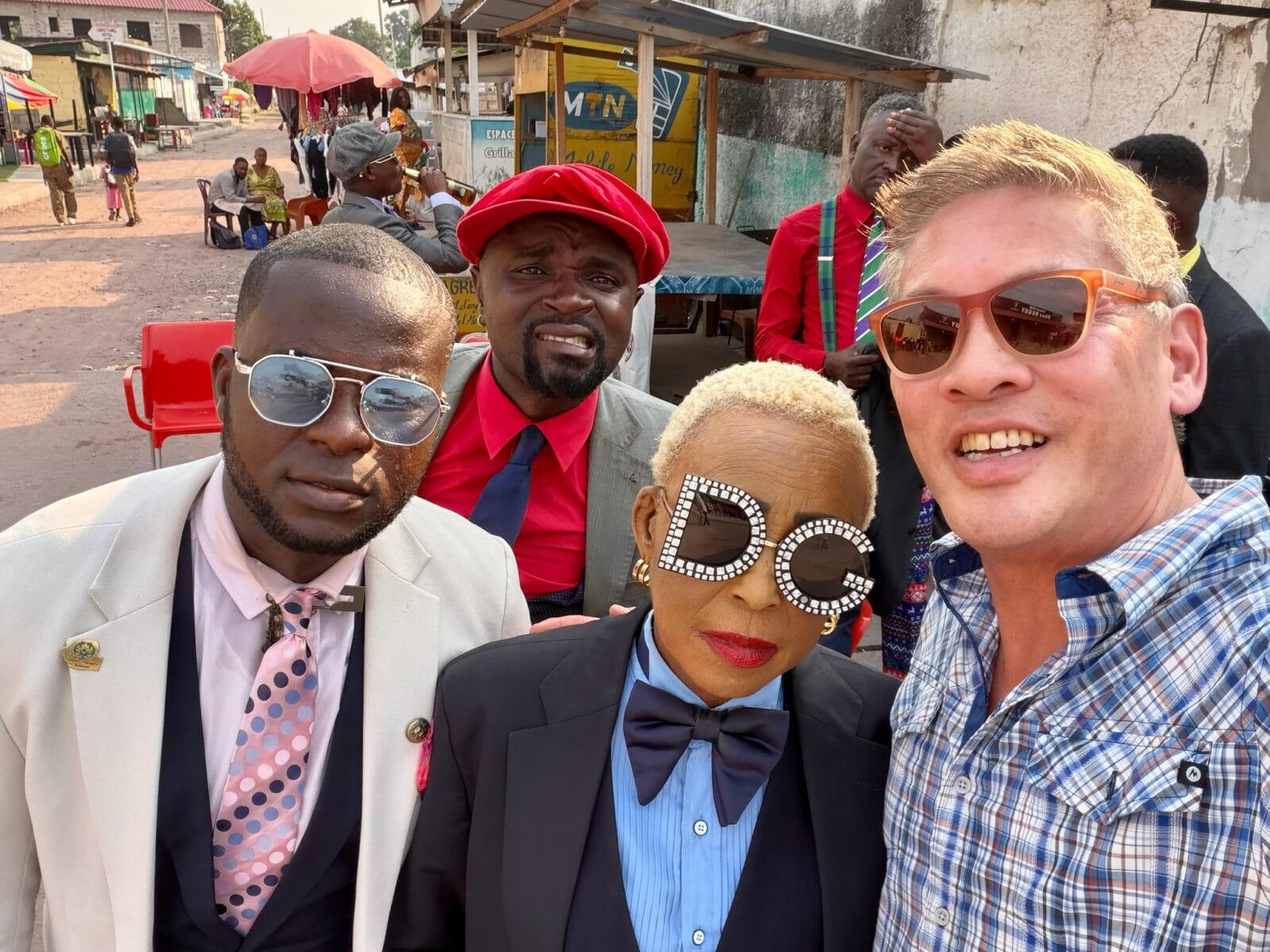
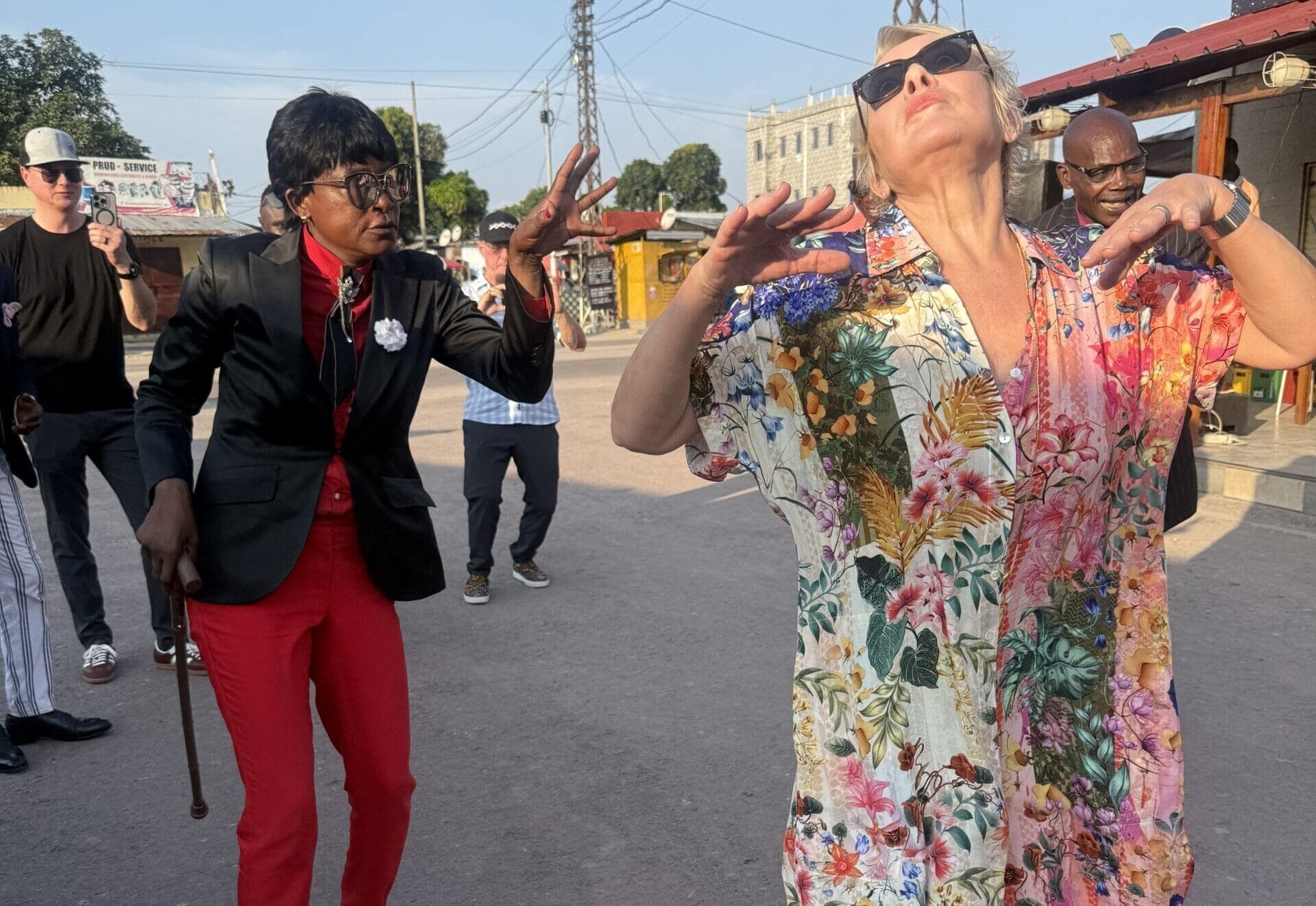
From the moment our group landed in Brazzaville, everyone felt the good energy. And by day two in the city, visiting the rapids on the Congo River, watching the extraordinary Sapeurs in their immaculate dandy suits, poking around the thriving art galleries, the hesitation had completely gone. Replaced by pure excitement.
Brazzaville: Don’t Rush This city!
We spent two nights in Brazzaville before heading into the Odzala national park, and I always push hard for our guests not to treat this as a transit. This city deserves your curiosity and exploration.
There’s a women’s co-op creating genuinely beautiful art from recycled materials. As well as this, a contemporary gallery scene that would hold its own in any European city.
The Congo River rapids are fun and dramatic and totally unexpected. And the Sapeurs! The ‘Société des Ambianceurs et des Personnes Élégantes’ (old school words would be ‘Dandy’) men and women from the poorest neighbourhoods who spend their lives cultivating extraordinary personal style as a philosophical act. They have been inspiring fashion designers in Paris and Italy for decades. You can meet them watch them strut their stuff. They are a proud counterculture and they believe in harmony and peace.. verbatim “we don’t want alcohol or blood spilt onto our beautiful garments, why would we engage in violence”. Beloved by Congolese and us lucky visitors.
“Brazzaville is vibrant and funky and gorgeous. It completely surprised my guests. By the end of two nights, half of them wanted to stay longer.” — Danni, Founder, Sikeleli Travel
Odzala – We went into ‘the Lungs of Africa’
From Brazzaville, we board Kamba’s own charter plane and fly into the heart of the Congo Basin. Kamba is the sole operator in Odzala which means exclusivity. Only three lodges, a maximum of twelve guests each. This is intentional. This is the whole point. This is conservation conserving a precious commodity and what lies within.
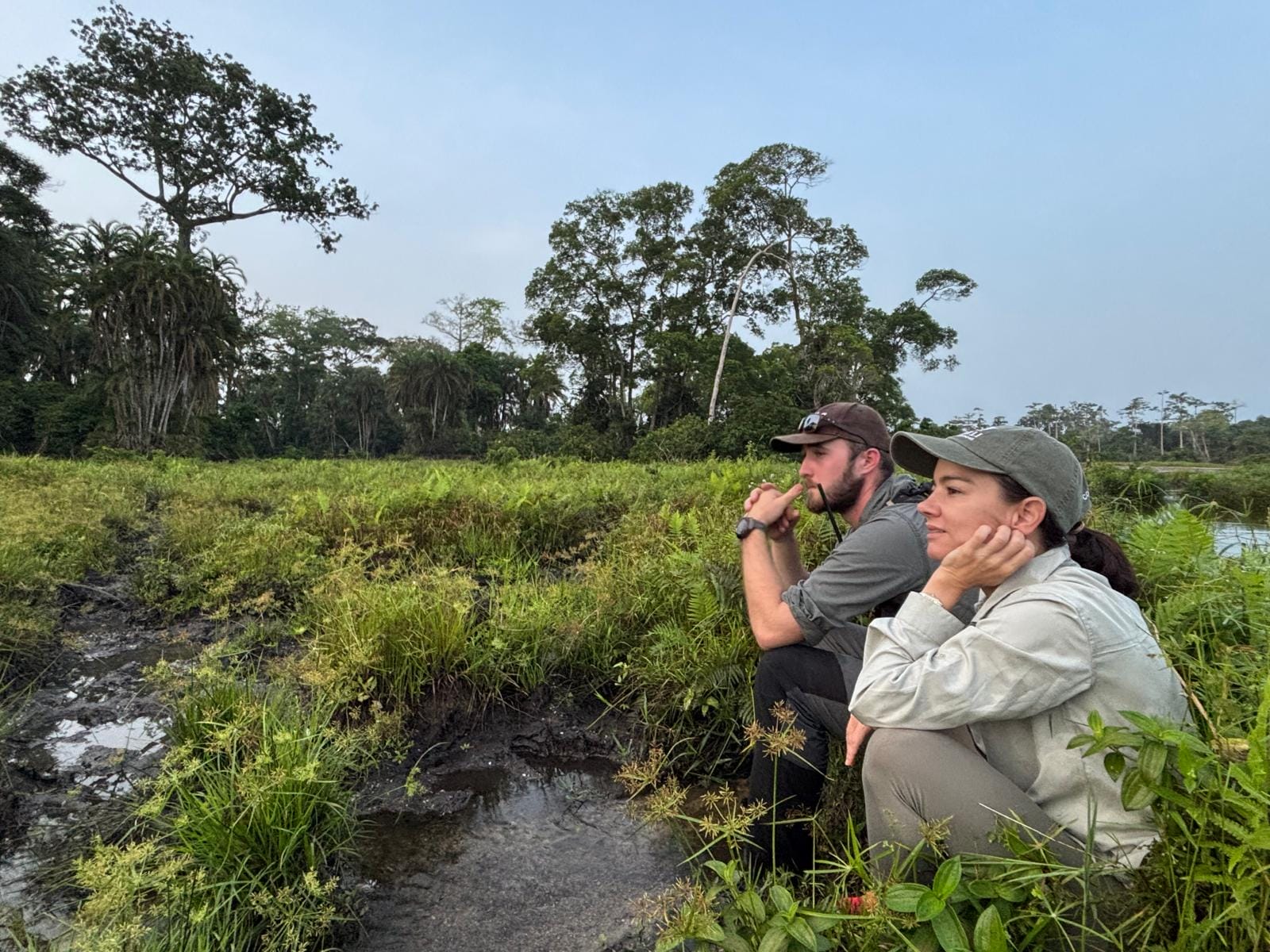
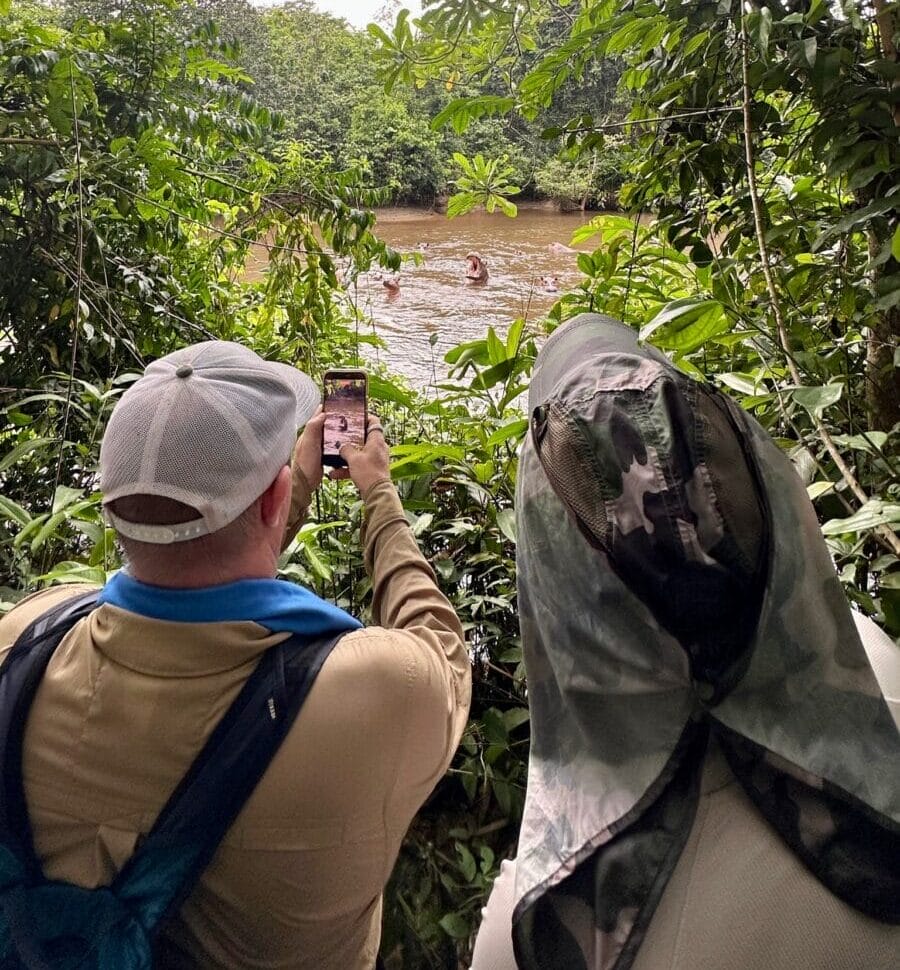
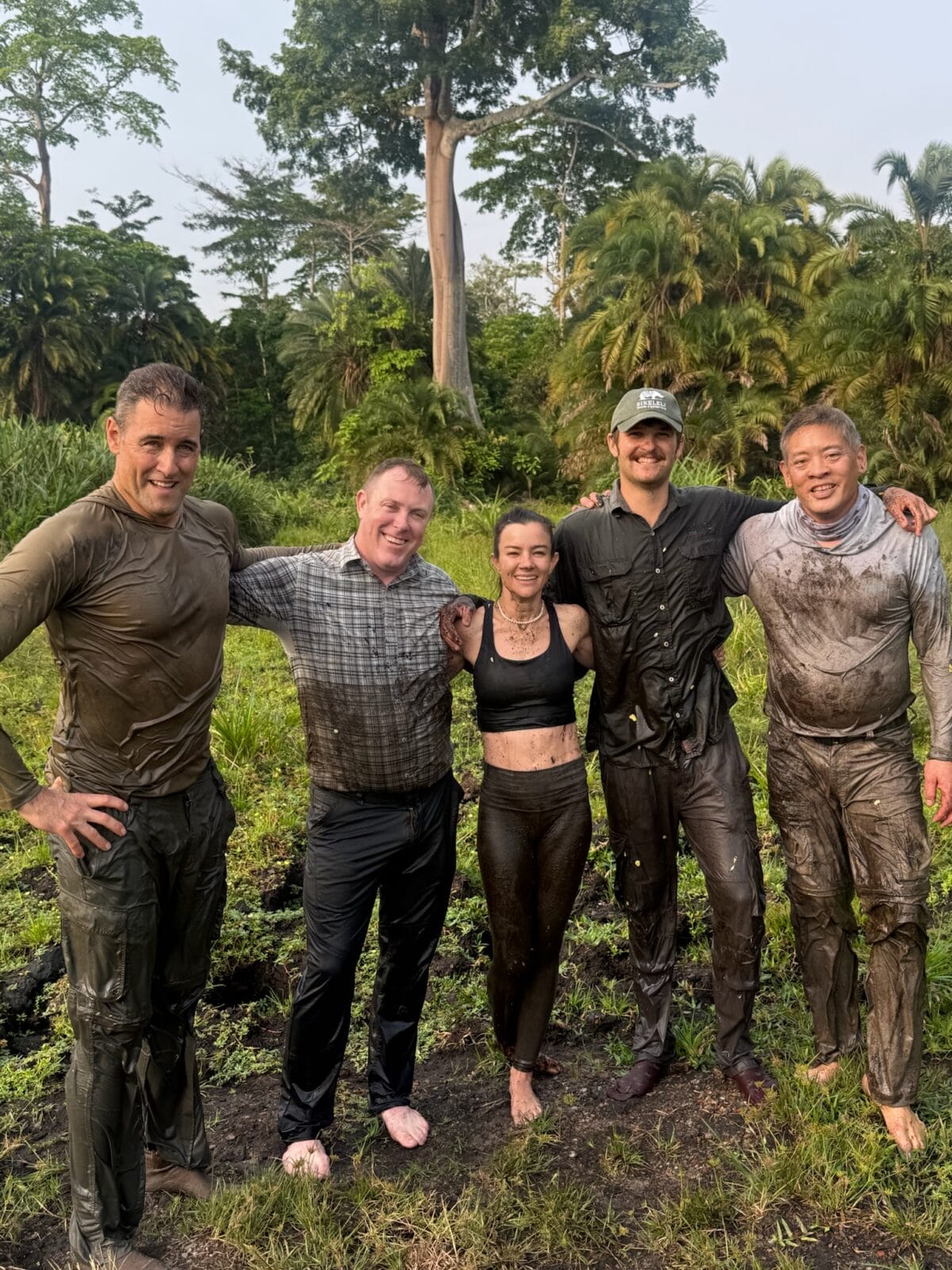
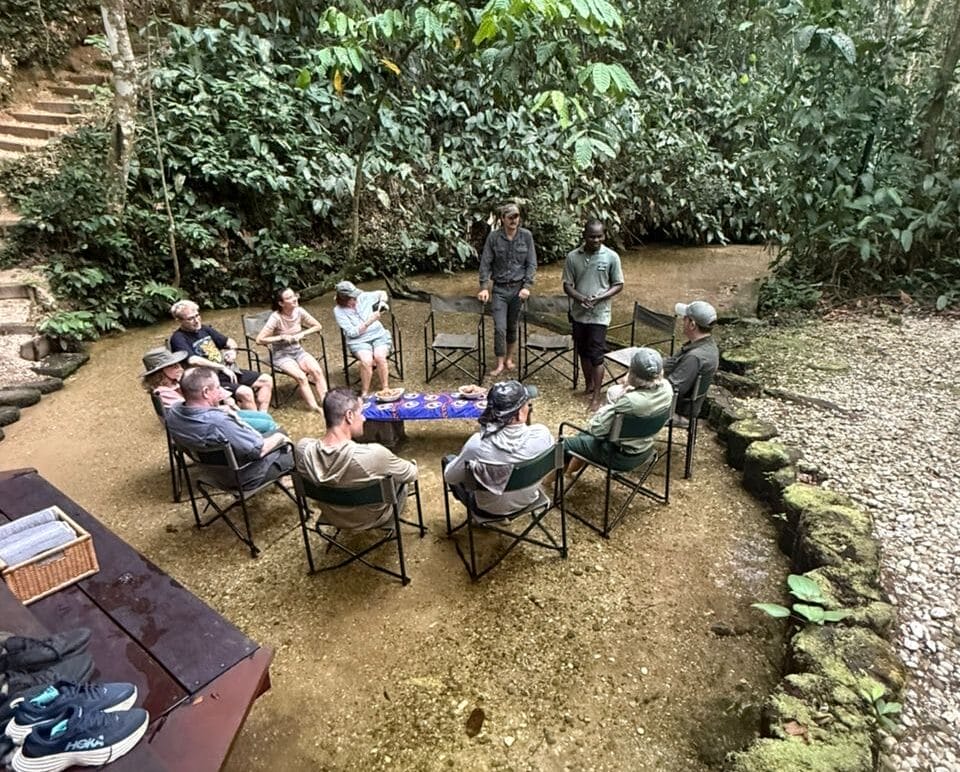
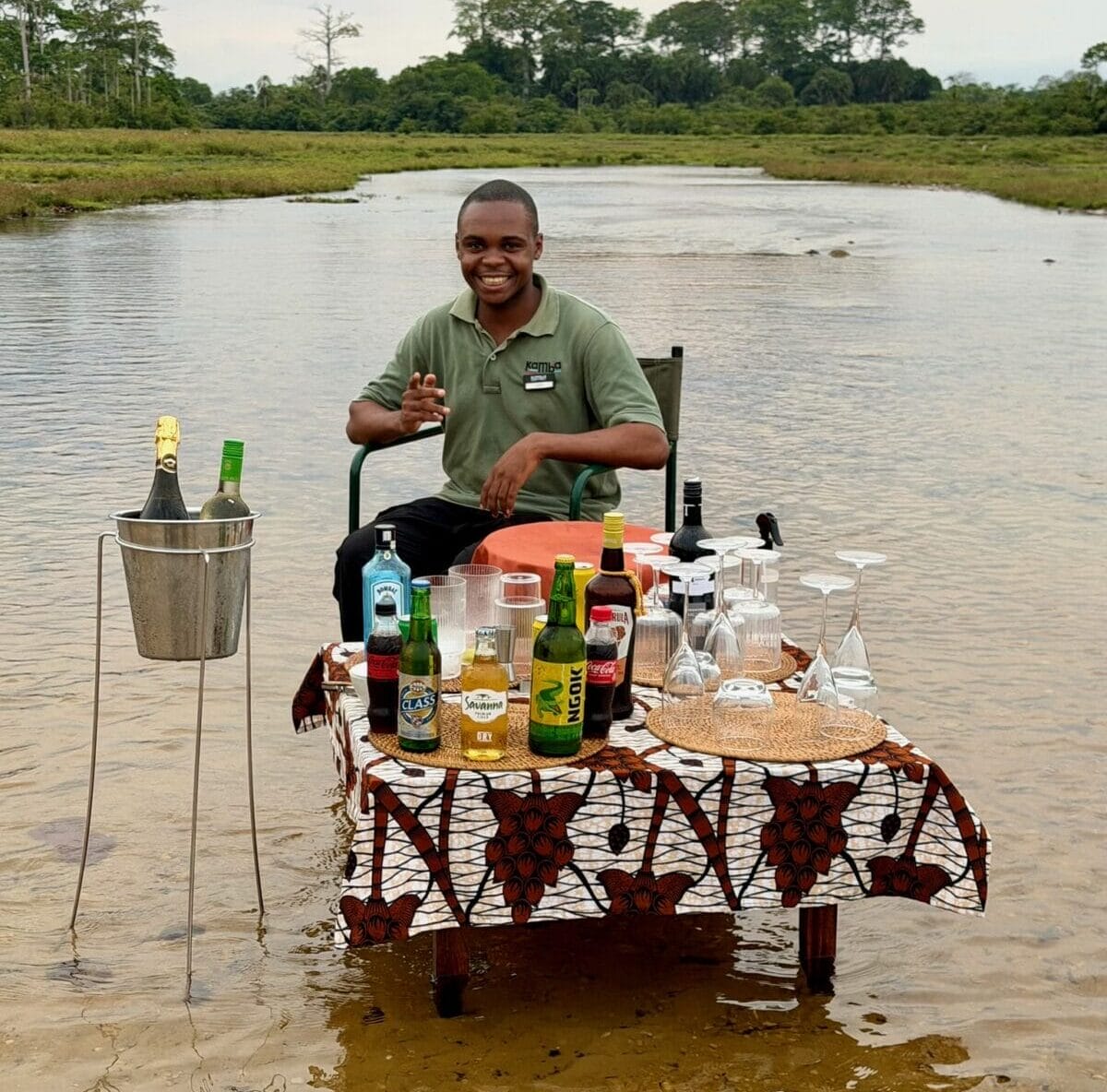
The landscape varied so much it was transformative.. Less than 3% of Odzala is savannah. The rest is deep rainforest with trees so old and tall they feel Jurassic, dense swamp, ancient jungle, river crossings, and bais (this is a shallow, mineral-rich clearing of water fed by tributaries of the Congo River where wildlife congregates in astonishing numbers). The Bai was a HUGE hit with my guests – fresh clean water and delicious mud it’s all there.
The air is something else entirely. I kept telling guests: they call this the lungs of Africa, and the moment you step off the plane, you understand why. It’s some of the cleanest air on earth, we all felt that.
The Silverback in the Tree
Of course I’m going to talk about the gorillas. They’re the reason most guests come to this area they are the ‘anchor’ if you like. However, I want to explain why these gorillas are different to the mountain ones, because the comparison with Rwanda and Uganda matters.
Mountain gorillas (Rwanda, Uganda) are magnificent. I love them and I’ve done the trek and I’ll do it again soon… but they live on the ground and in high-altitude forest and finding them can involve treks of four to twelve hours with a lot of cutting of thick vegetation and some steep hills. One permit: $1,500 per person, per visit.
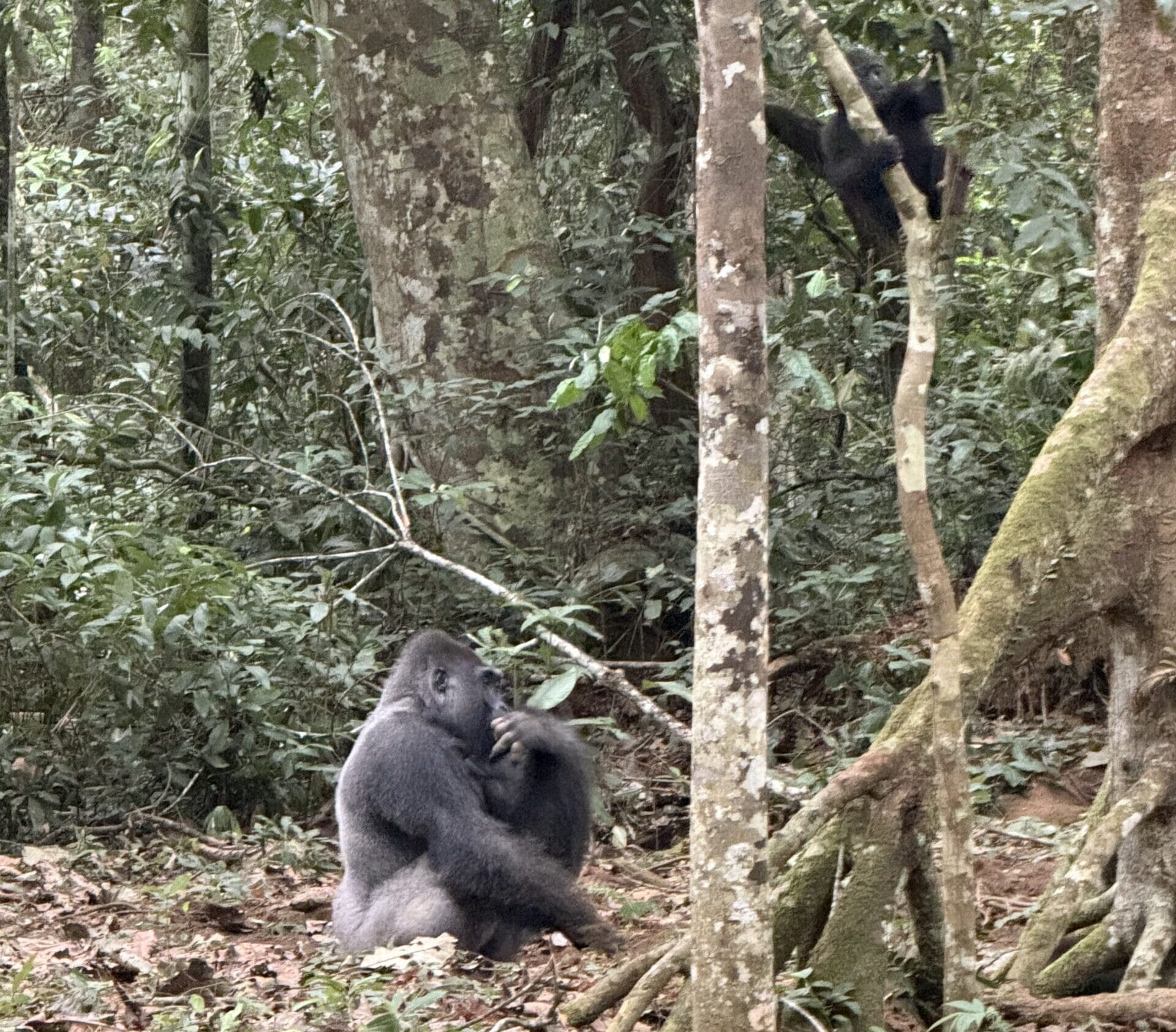
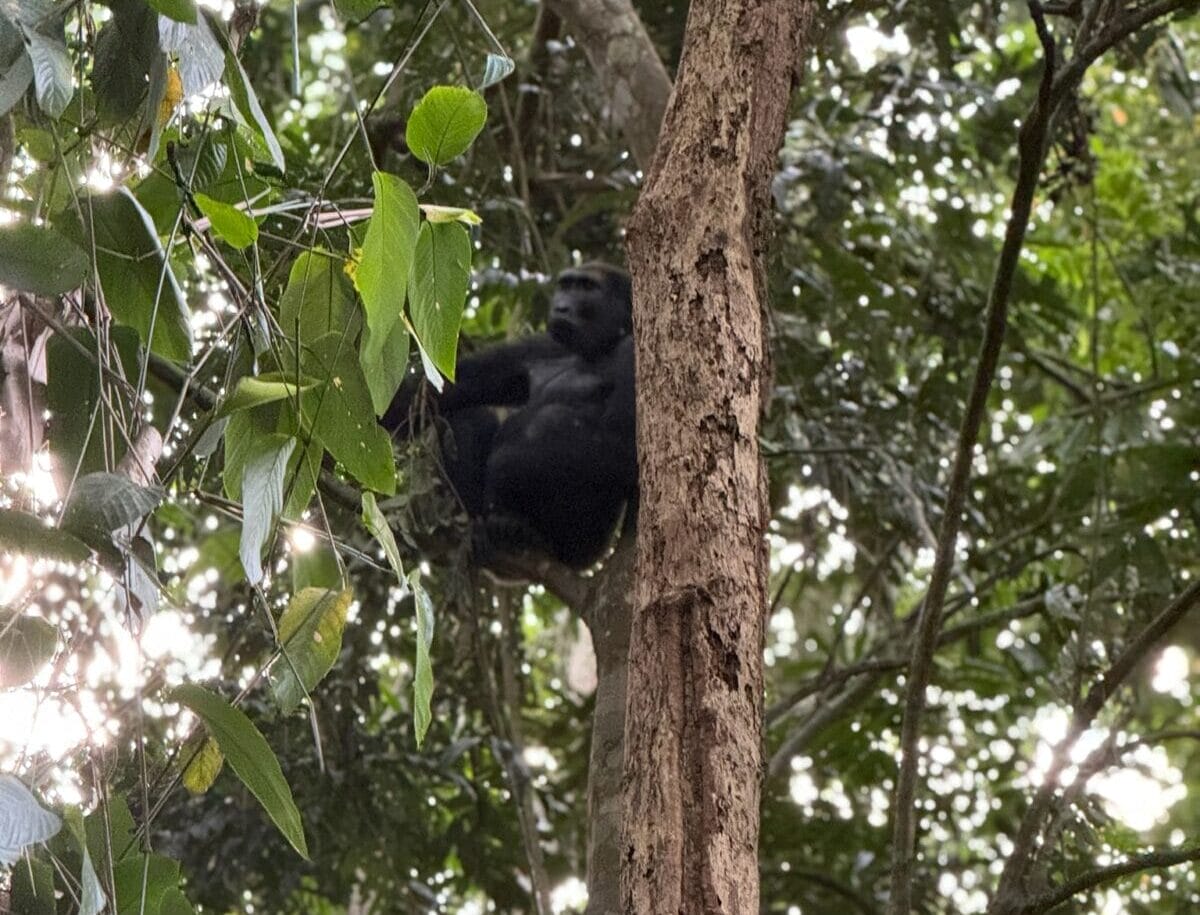
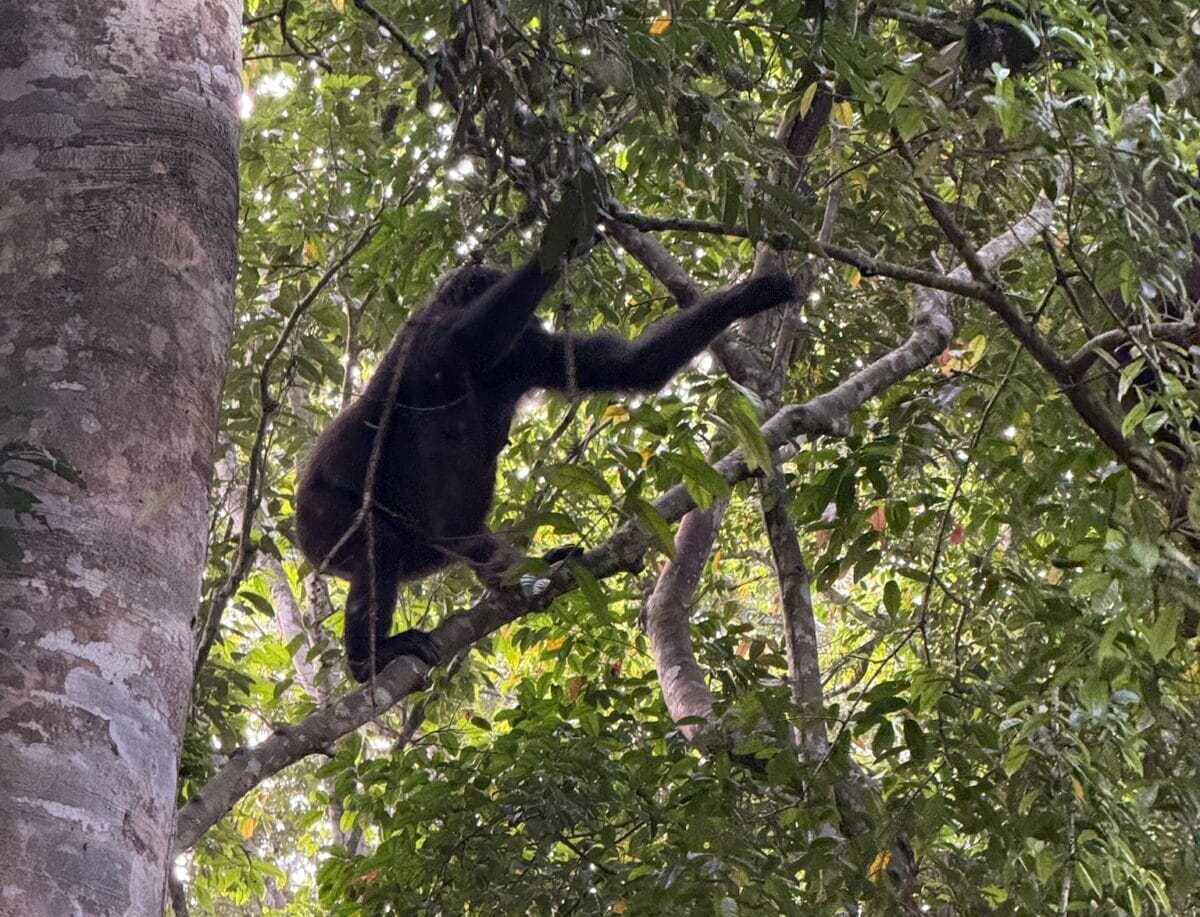
Lowland gorillas, Odzala’s speciality, gorillas used for research and observation, climb and mess around in trees AS WELL as on the ground. And that double life produces something I had never seen in somewhere between two and three hundred safaris.
“Watching a 200-kilogram silverback shimmy down a flimsy tree with total elegance — I cannot describe it adequately. It is in my top five wildlife moments of my entire career.” — Danni, Founder, Sikeleli Travel
And then they do a special adapted ‘root mining’ for food. Using sticks as tools, they dig together in groups, helping each other find roots and minerals underground. This behaviour is so specific to lowland gorillas, and even more specifically to this region, that witnessing it feels like being let in on one of nature’s best-kept secrets.
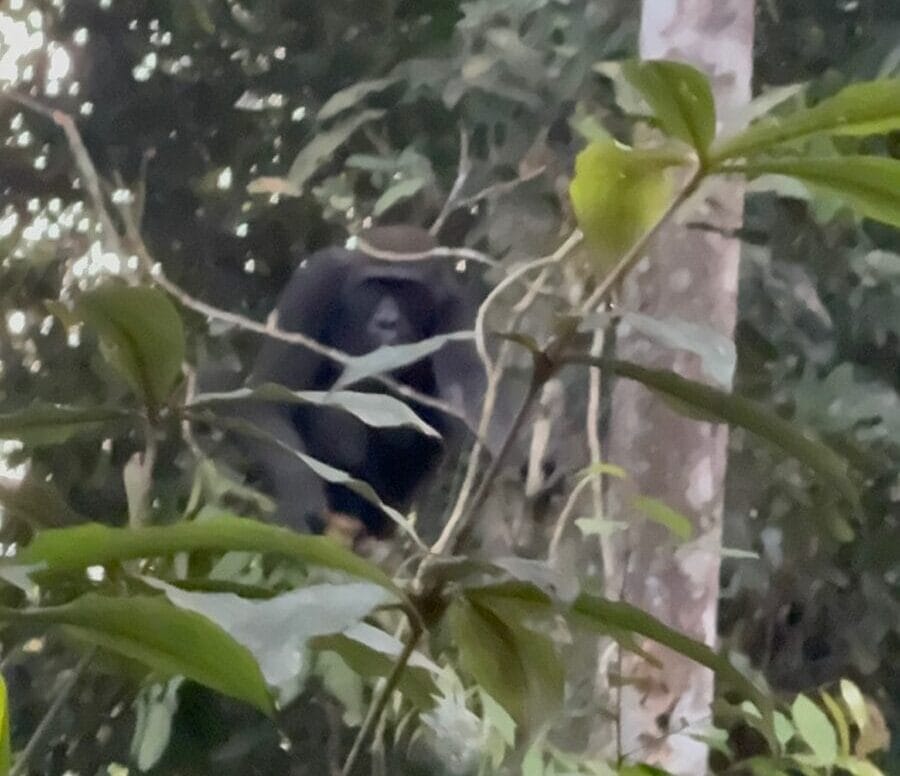
On a seven-day package (there are 10 and 11 days too) one gets not one but TWO gorilla encounters with two DIFFERENT families. An hour to an hour-and-fifteen with each. Only four people per sighting. These are research gorillas, Kamba is very deliberate about not over-habituating them, so you’re seeing animals that are just ignoring you and getting on with their unadulterated activities and life.
Our groups tracked Jupiter, an aging silverback who is beginning to be challenged by a younger male (a succession drama unfolding in real time, which the guides followed with the kind of investment you’d have in a long-running drama series) and Neptuno’s family. The babies were, as babies everywhere always are, the undisputed highlights. Playing with sticks. Antagonising their mothers. Being babies.
The Forest Elephants in the Bai
The gorillas get top billing, but the moment I keep returning to in my head involves elephants.
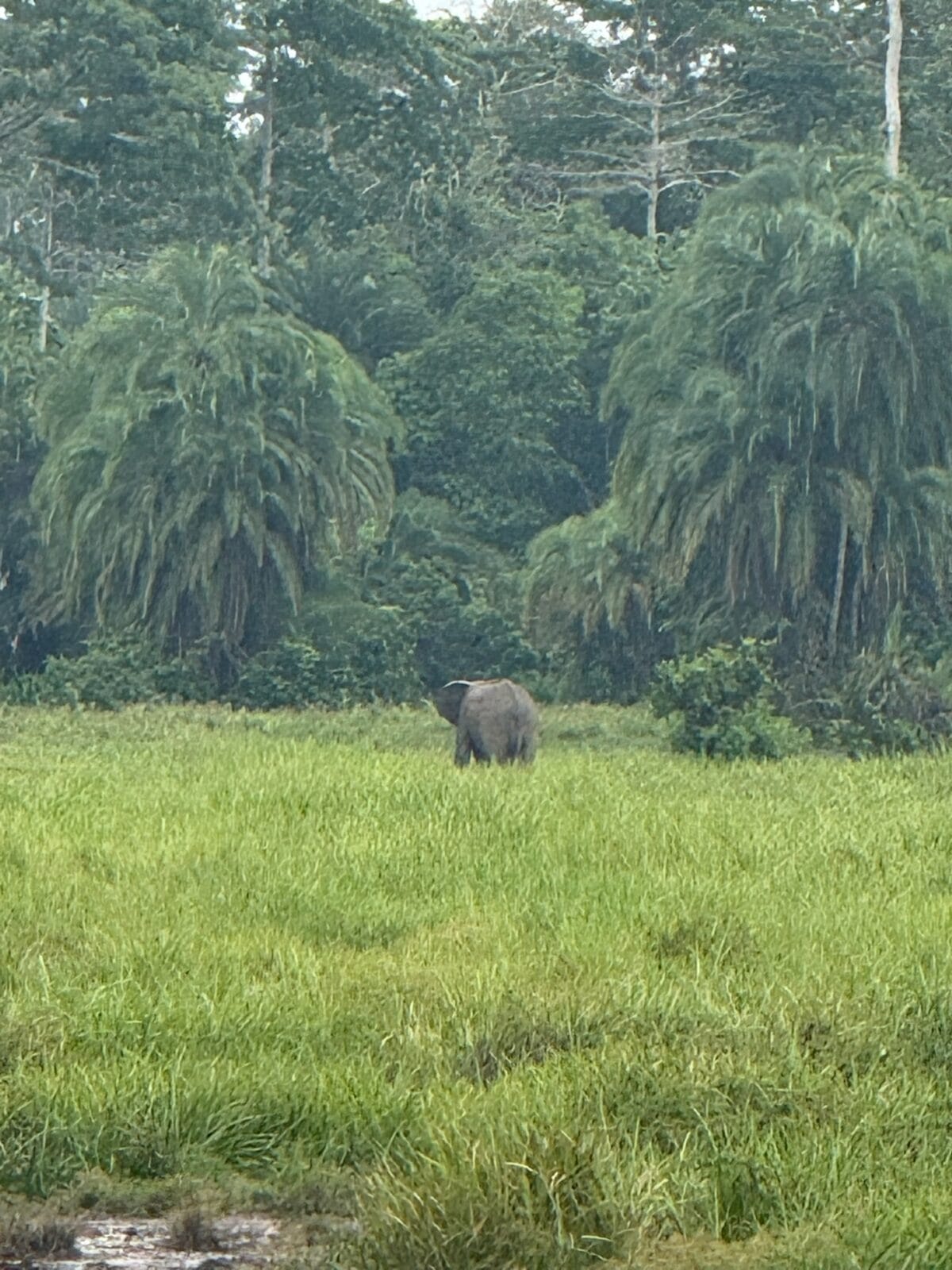
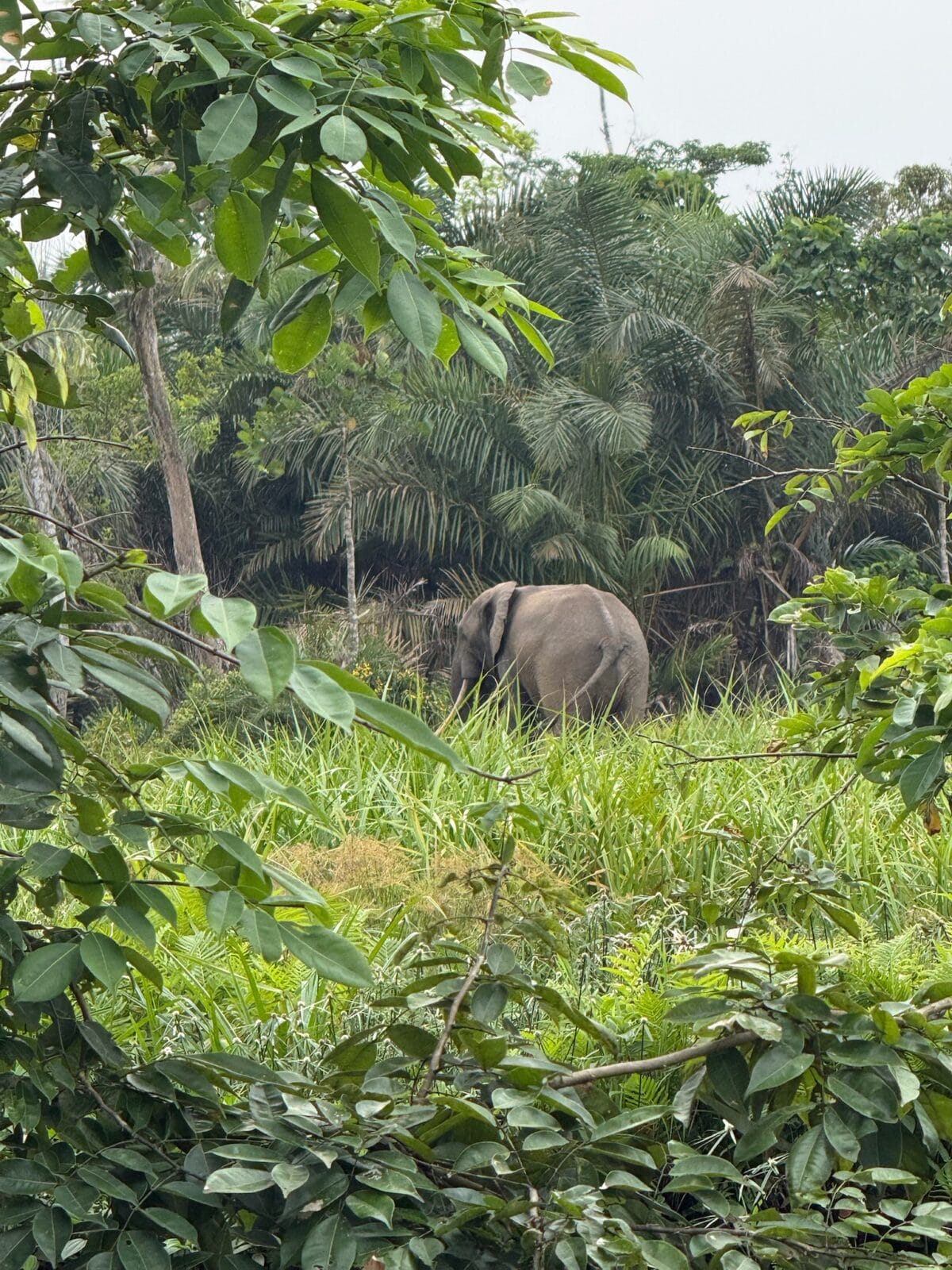
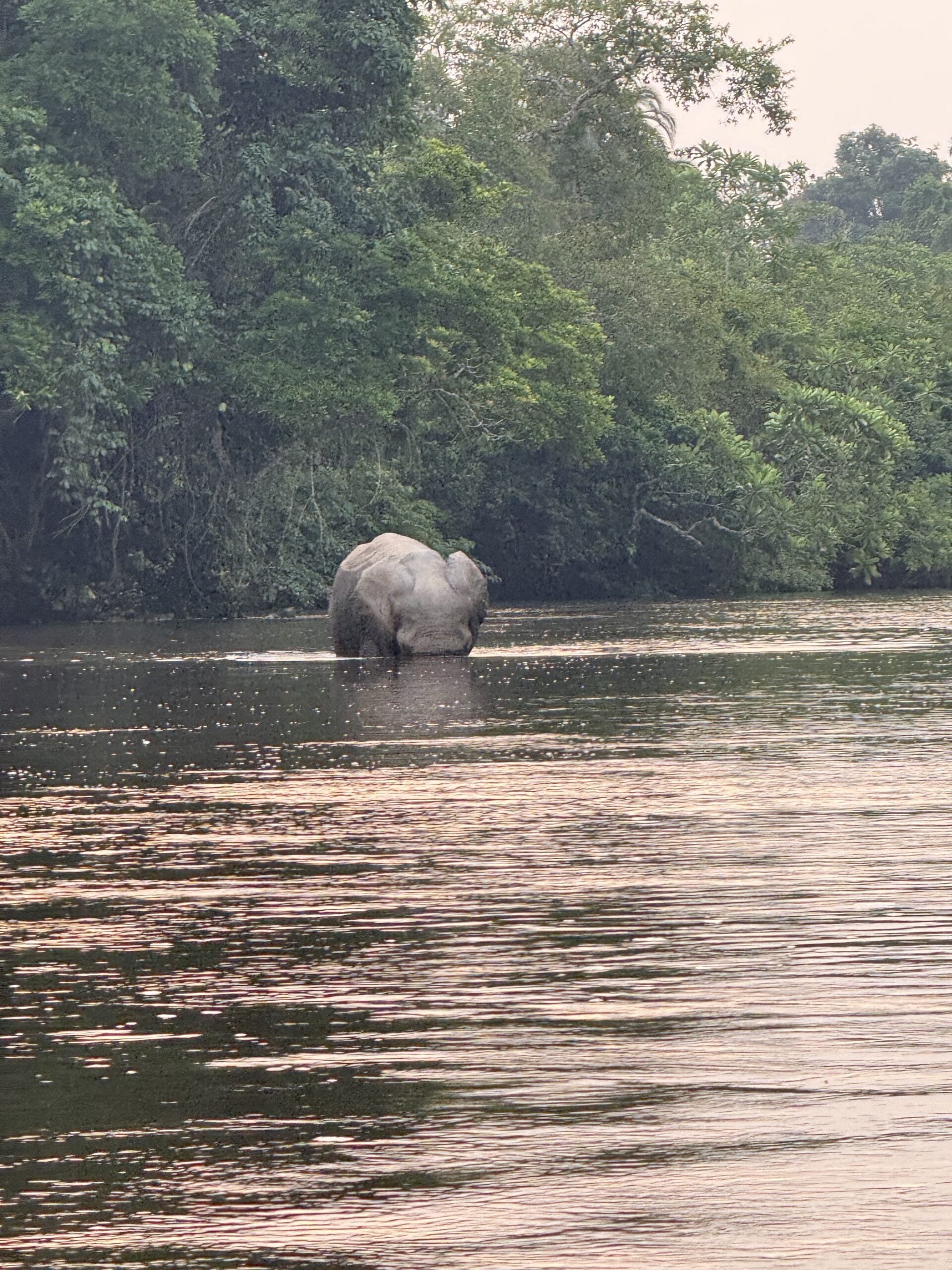
Forest elephants.. smaller and shyer than their Southern African cousins as we know well here in Zim and Botswana, were gathering at the bai. And they were doing something I had seen a version of in Southern Africa (elephants kicking soil to find salt), but never like this. These forest elephants were dunking their tusks into the mud, digging their faces into the water, rooting around in the mineral-rich bai floor. Same instinct, completely different execution. Same animal, entirely different context.
Watching that, I kept thinking: I have spent forty years in wild Africa, over 600 safaris, and I’m still seeing things for the first time. That’s what the Congo does. It reminds you that this continent is still revealing itself.
The Moment I’ll Carry Home Forever
(It Wasn’t About the Wildlife)
One of my guests joined our group at short notice, a cancellation had created a space, and she and her husband were brave enough to take it. FIRST TIME SAFARI FOLK!
Never been to Africa. Ever. BOOM straight into the Congo. I thought she was wonderful for doing it and the trust in us at Sikeleli was not lost on me.
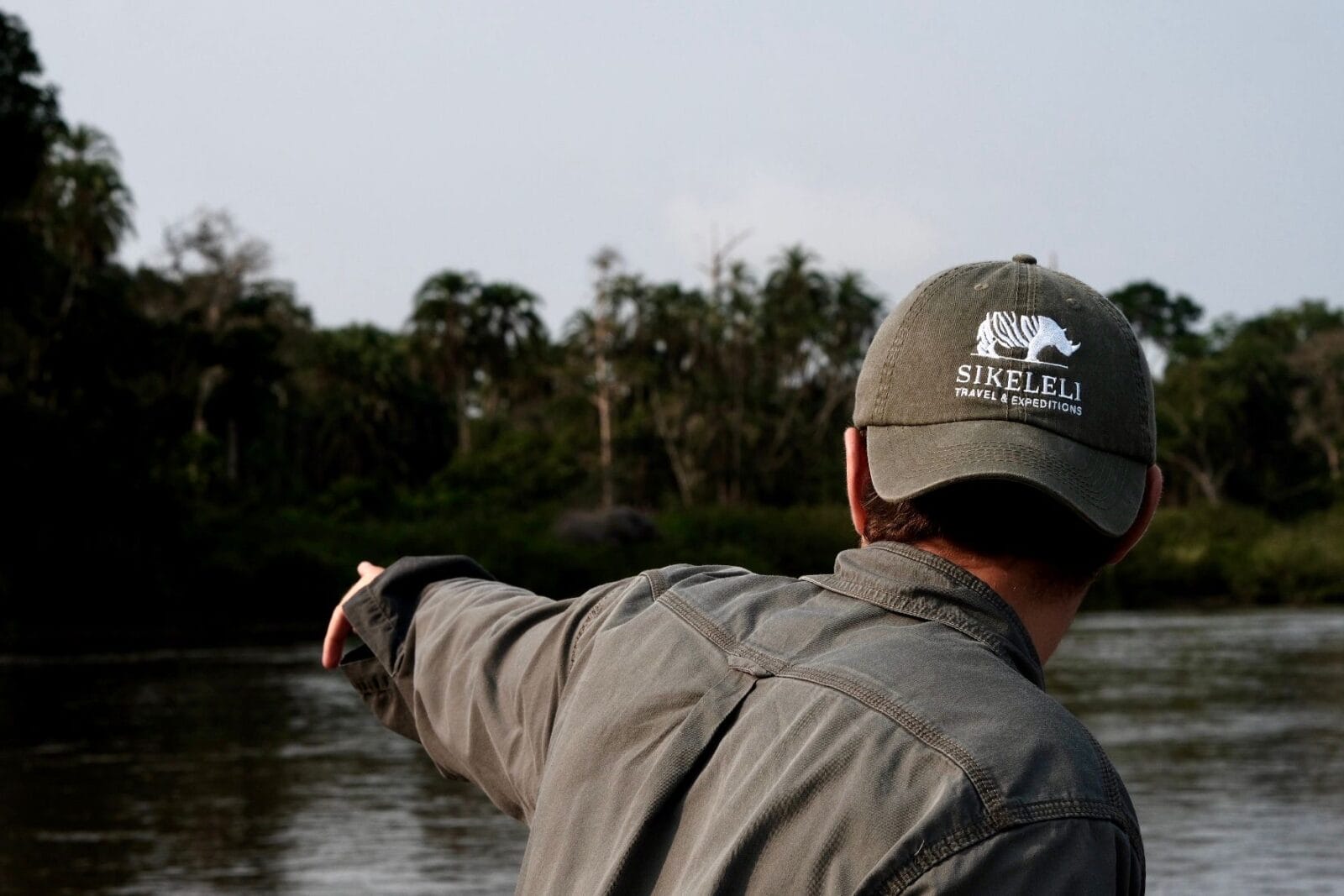
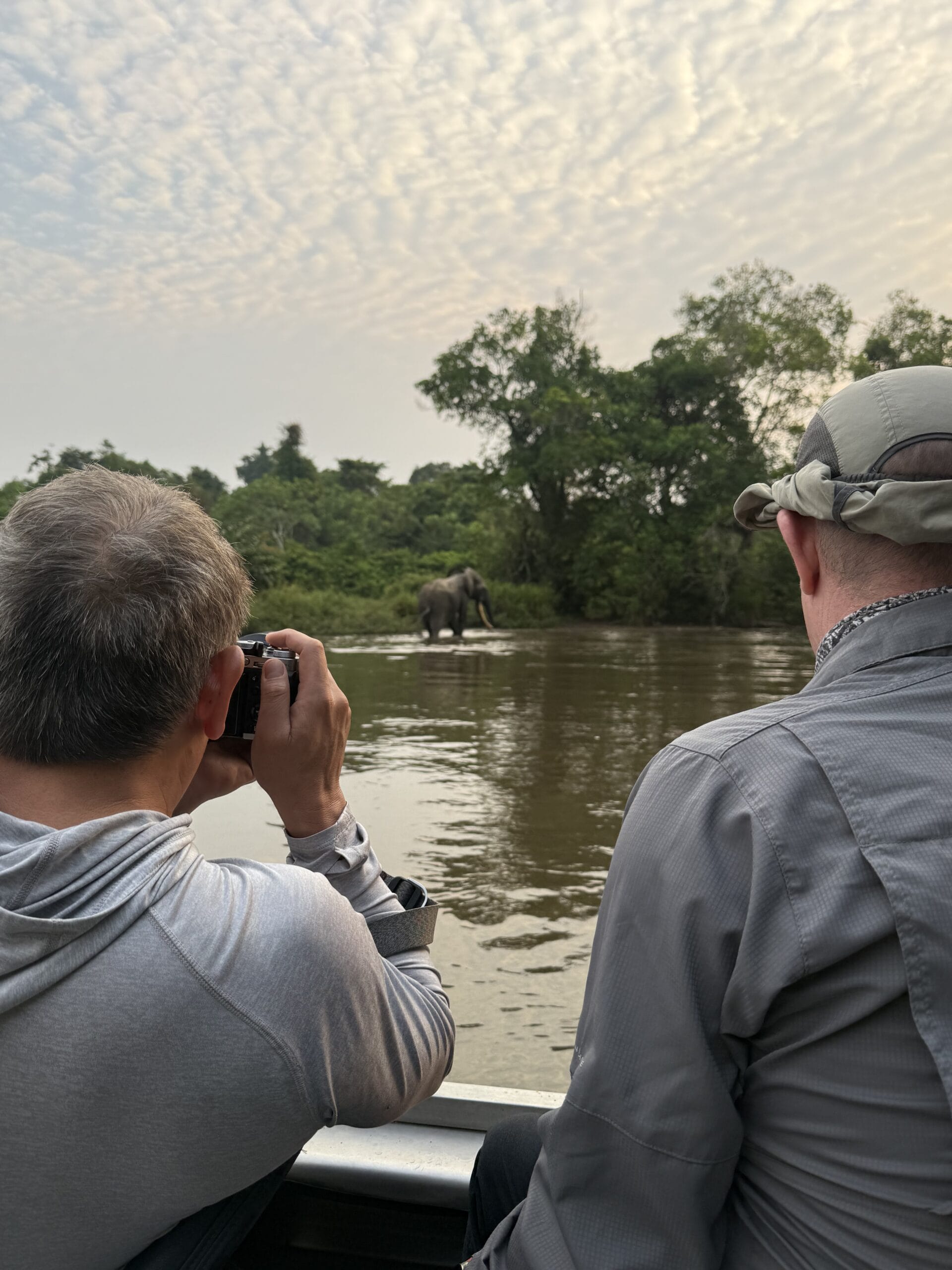
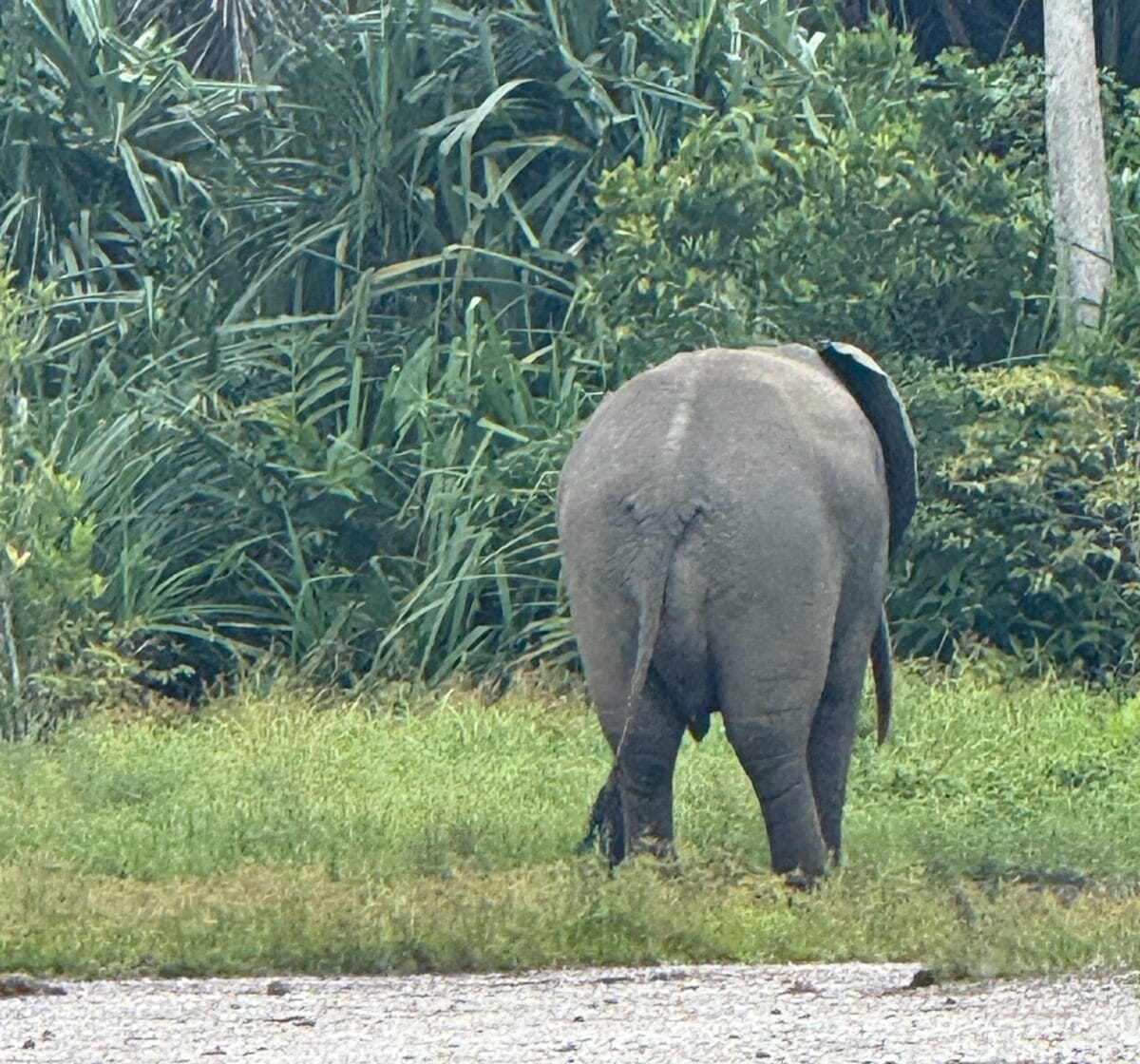
On our first day in the park, we came across a big bull elephant, ambling along the edge of the forest, doing his thing, completely ignoring us the way wild elephants do when they feel safe. I was taking photographs of the group, chatting quietly, watching everyone’s faces.
And as she turned around, I noted her smiling face was wet with tears. Completely undone, awestruck, humbled, bewildered and moved by this enormous, wild, free creature, existing in the world entirely on its own terms.
“She moved all of us. Because sometimes you take it for granted. I’ve seen tens of thousands of elephants, most of them knocking my wall down for swimming pool water, and then you see one through someone else’s eyes for the first time and you’re re-humbled. I remember that what we do and share with you is extraordinary. And rare. And worth everything.” — Danni, Founder, Sikeleli Travel
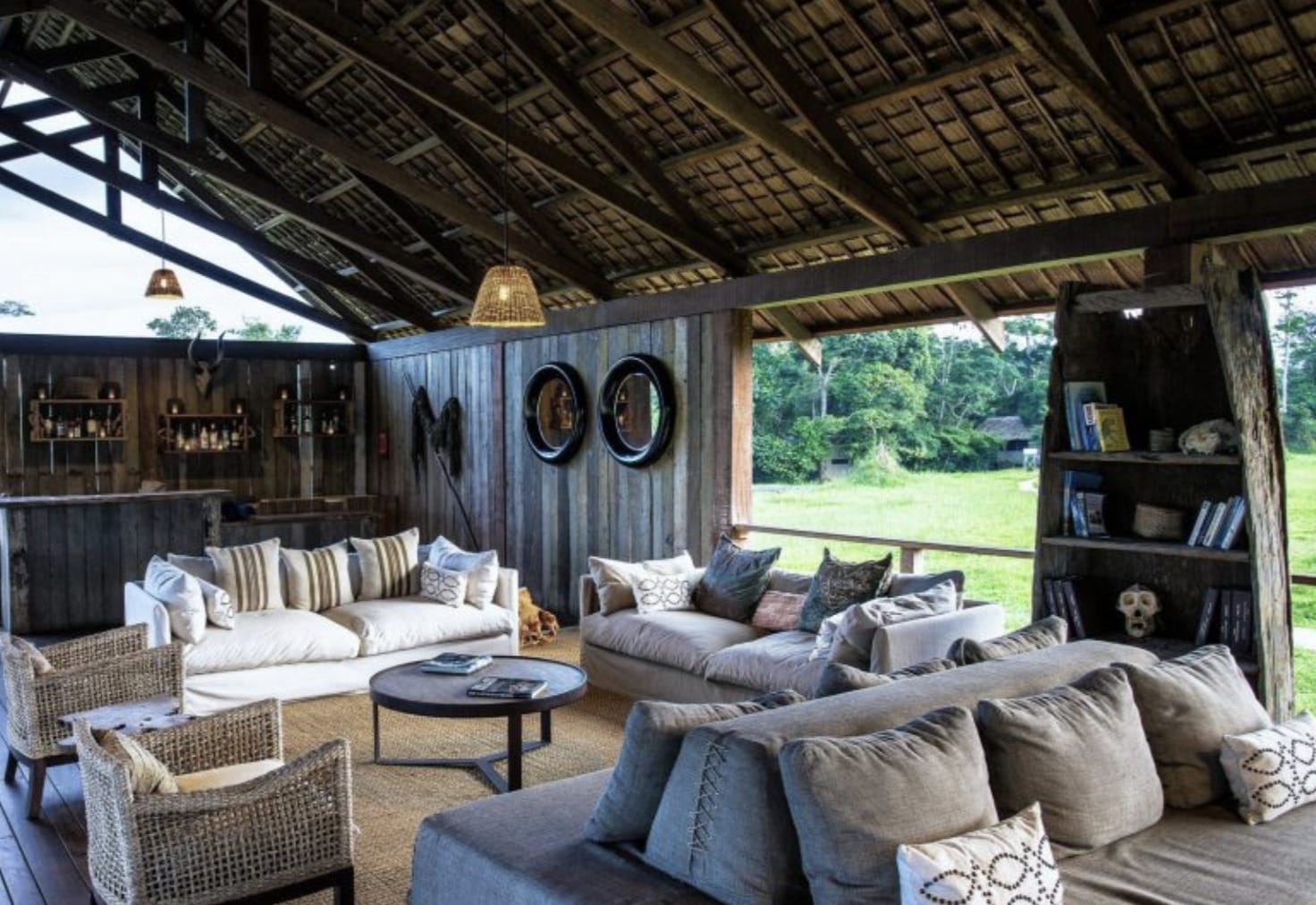
The Three Camps. Each One a World of Its Own
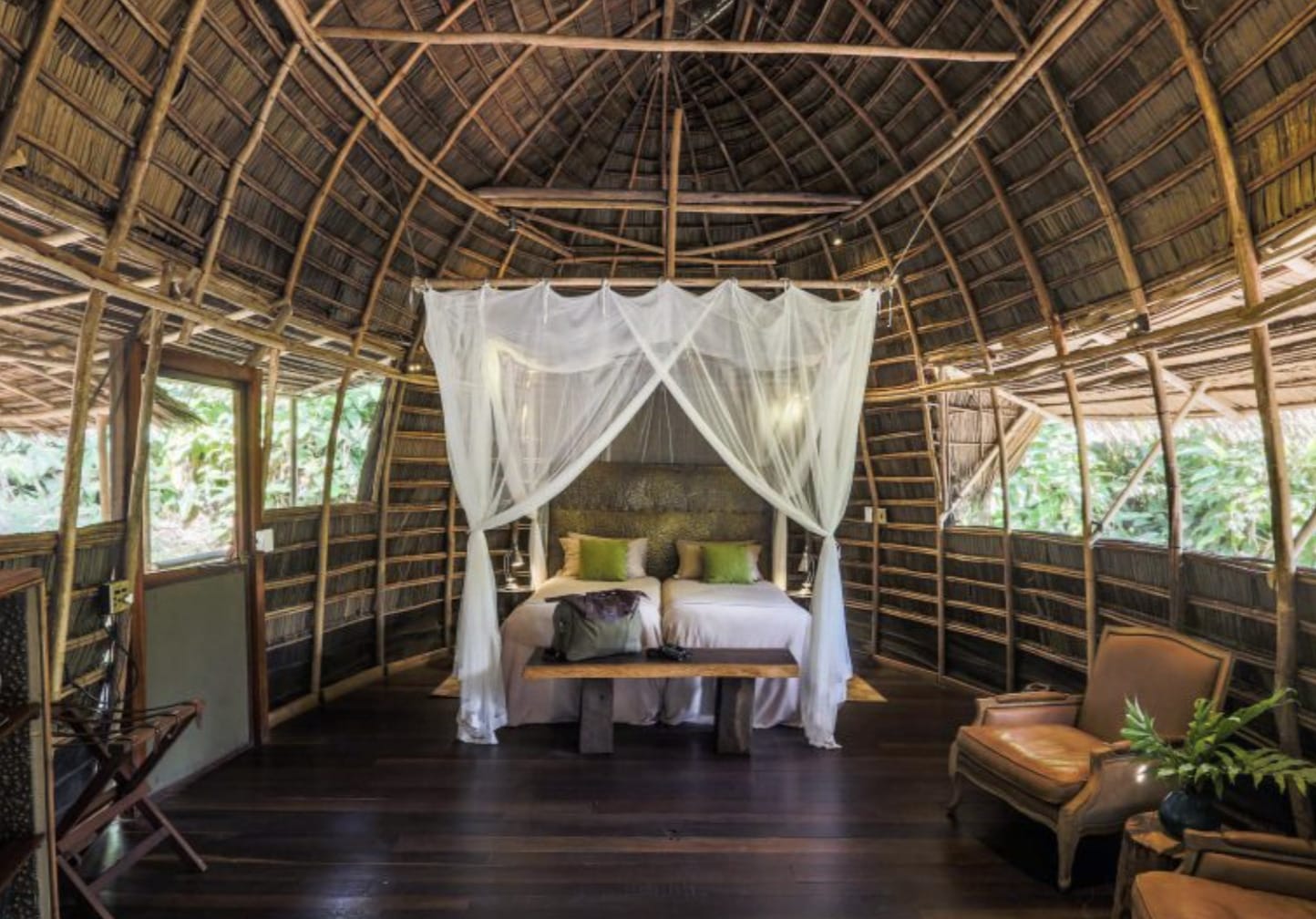
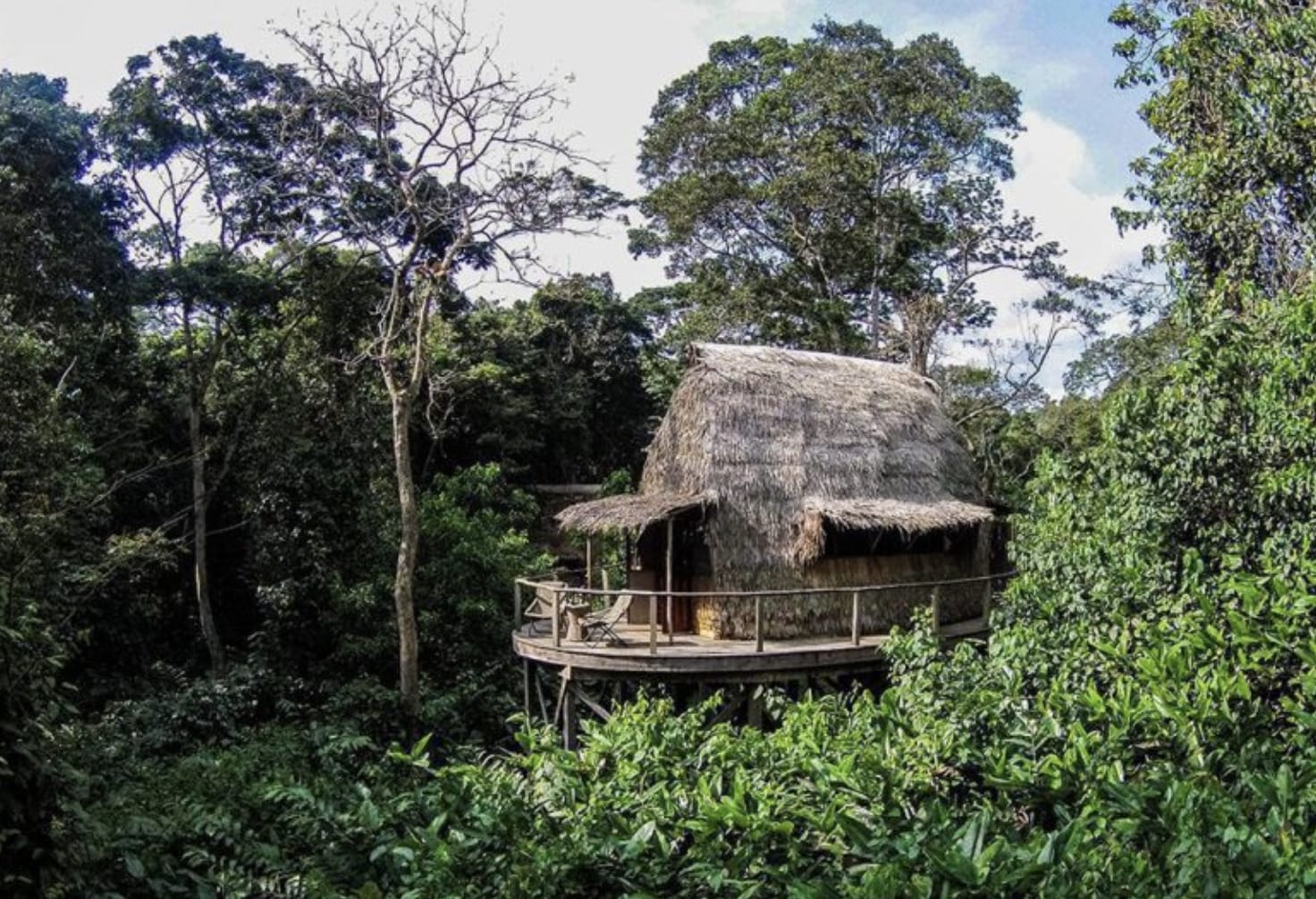
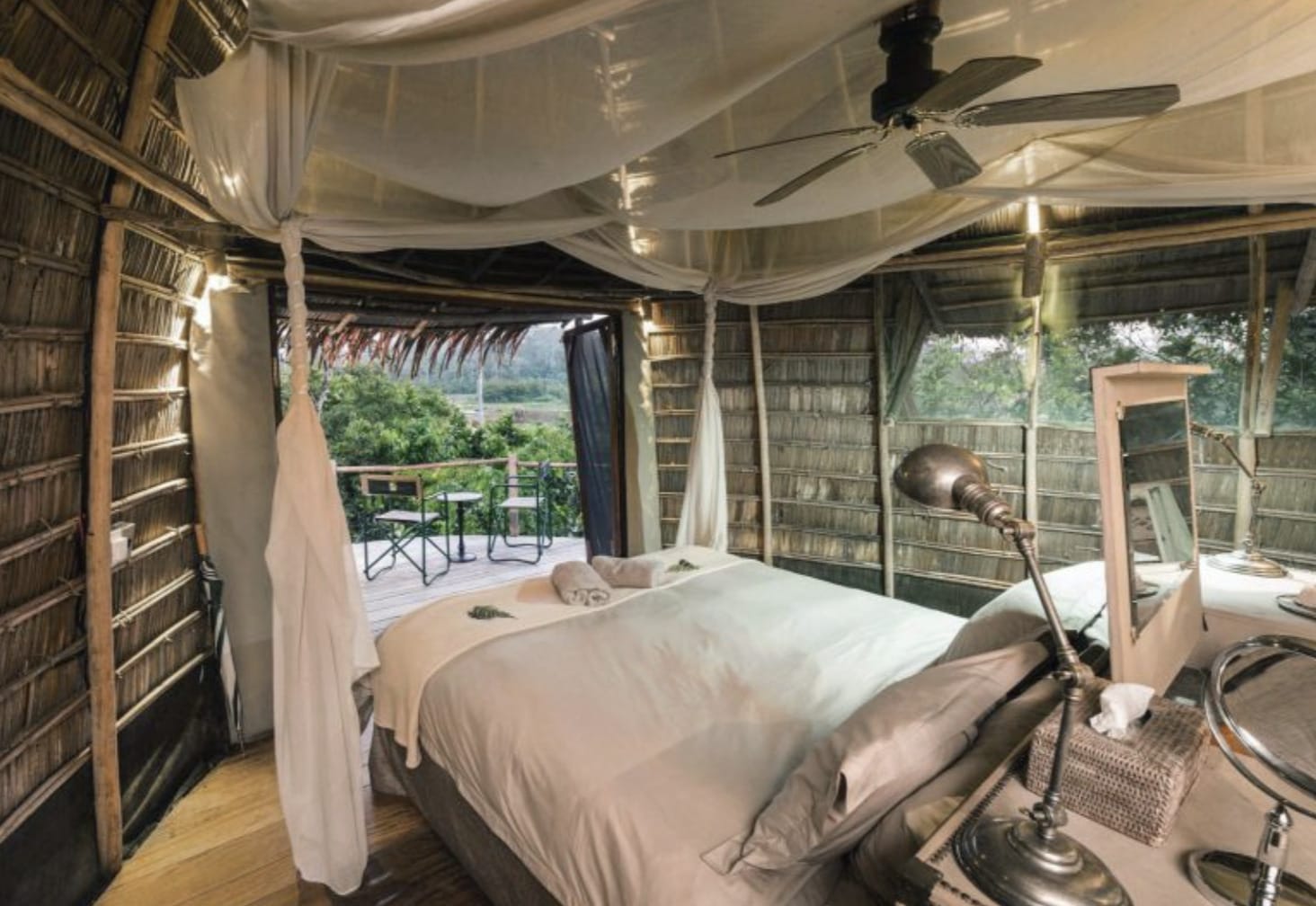
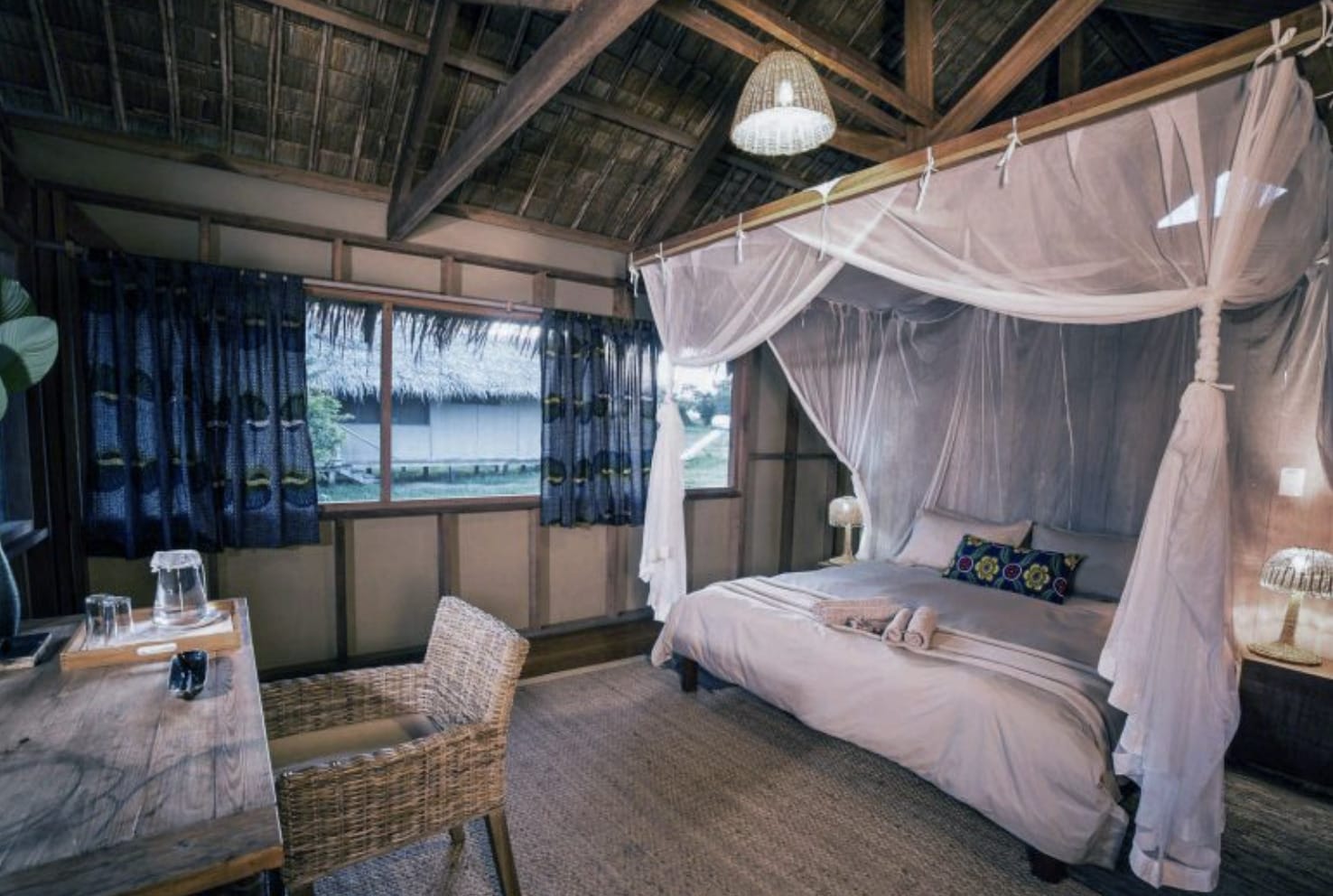
Our first three nights. Deep in the forest, surrounded by the sounds of the jungle, with six rooms and a maximum of twelve guests. This is where the gorilla visits happen and where the forest gets under your skin. Walking, streams, the endless green canopy above you. Quietly extraordinary. Food AMAZING Guiding INCREDIBLE the whole way through…
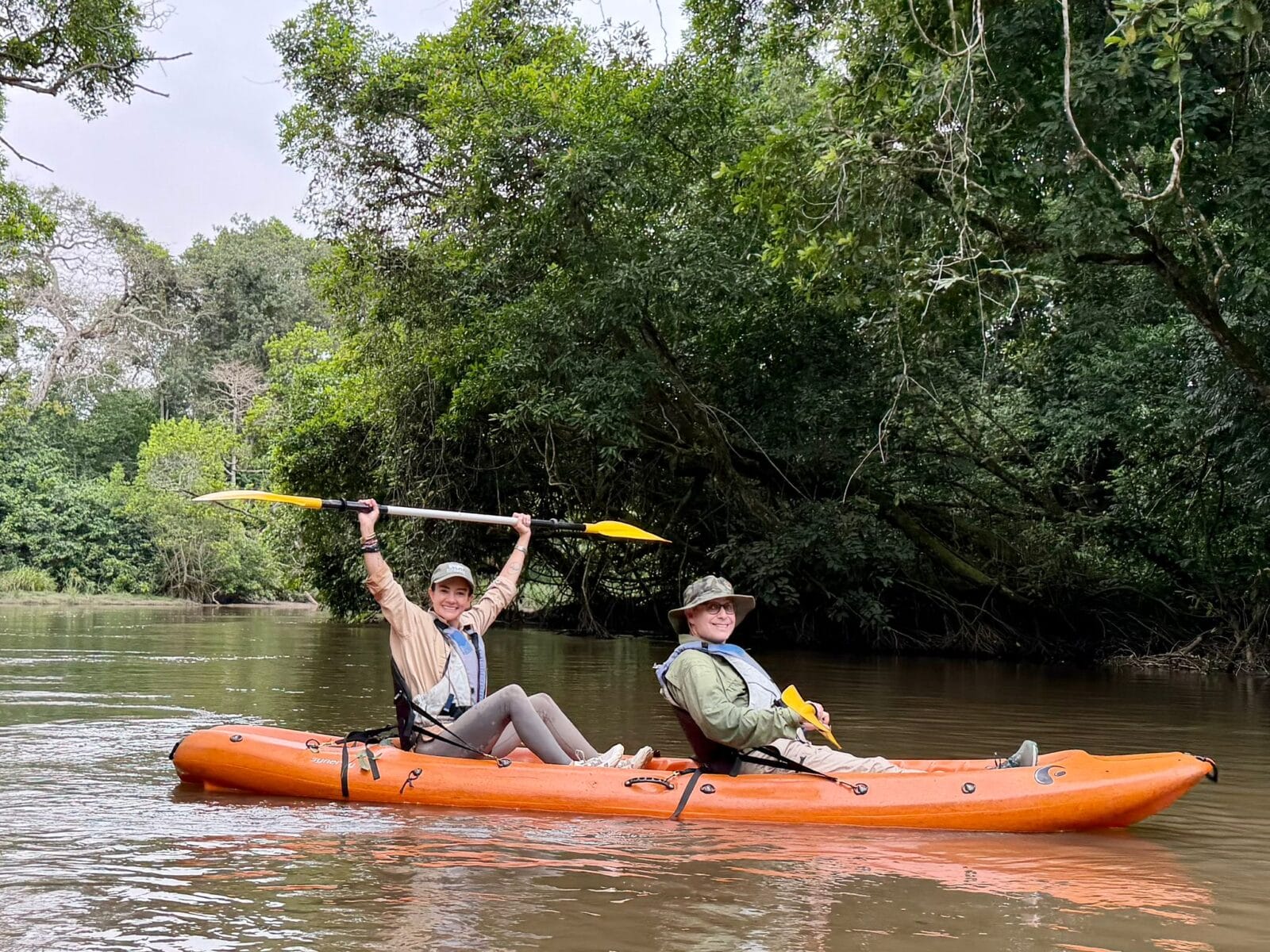
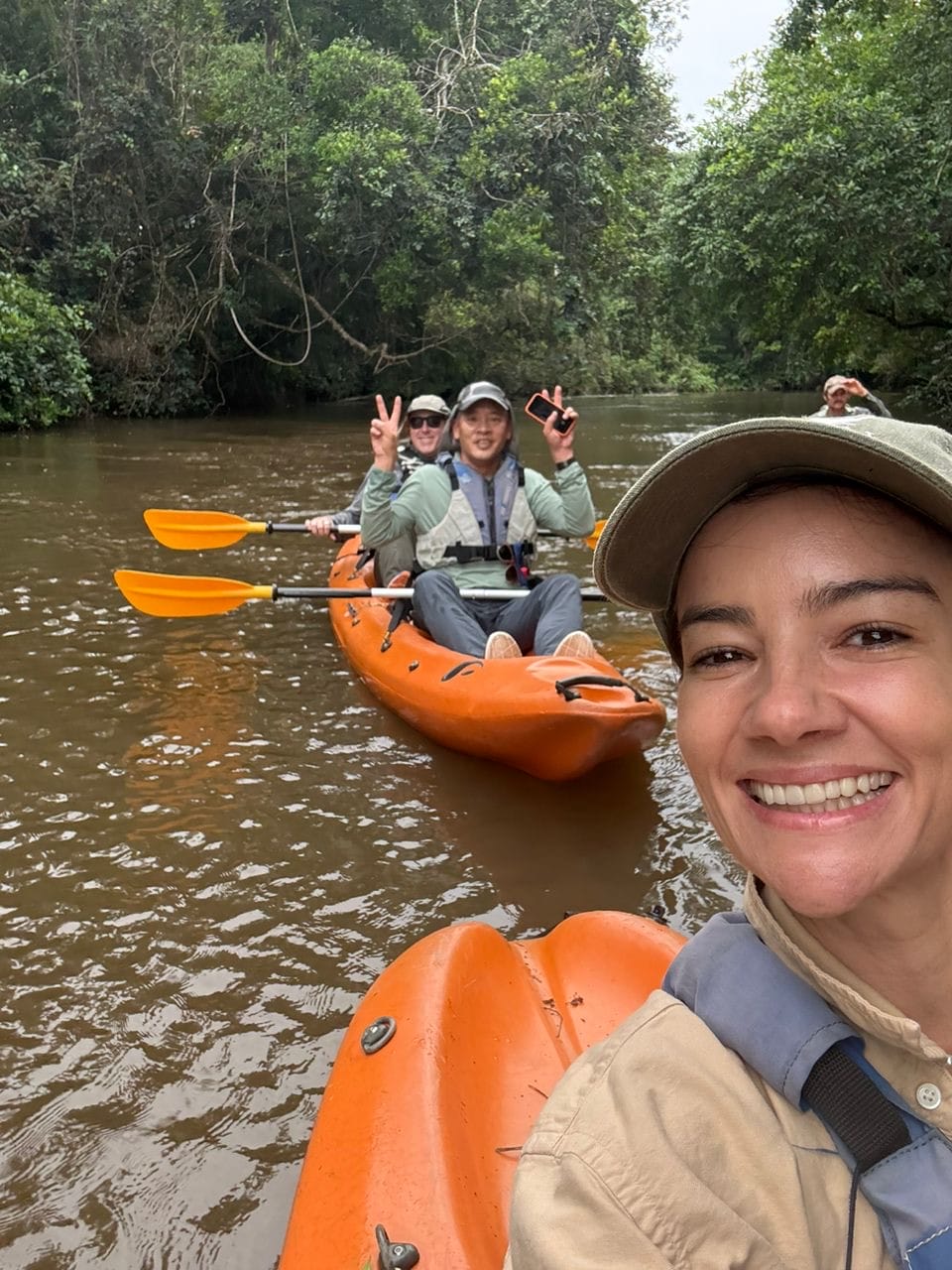
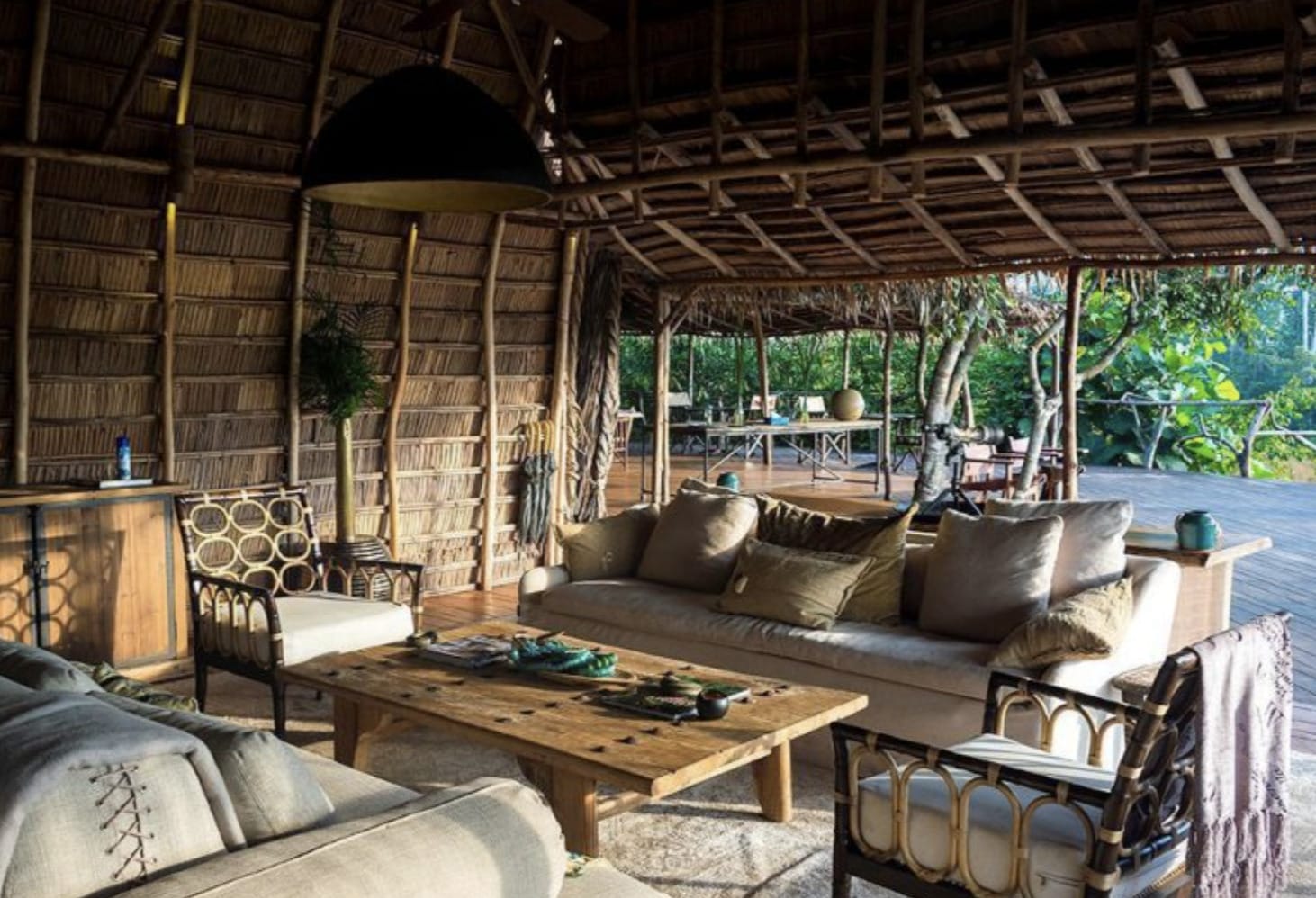
I need to tell you something about Lango. It is built overlooking a bai, the only lodge in the world with this positioning. And it is now ILLEGAL to build new lodges on bais. This is the one that folks loved the most. We have a night-vision camera trained on the bai from dusk, so you can watch the wildlife after dark. You kayak. You walk up to 8km through swamps and jungle (yes, some mud, yes, absolutely worth it tremendous fun). The wildlife drawn to this bai, day and night, is astonishing. Bushbuck, Hyeana, Lechwe, Elephants, buffalo (forest ones) BIG GREY AFRICAN PARROTS in flocks! Just outrageous!
Mboko Camp. The OG and where we finish
The originally Kamba camp, set at the edge of Odzala’s rare savannah section not in the park but in a very busy part of the jungle, in a savanna area. This is a completely different landscape from the jungle and bais. Boating, mokoro, gentler walking, different species. A beautiful way to end the expedition before the flight back to Brazzaville.
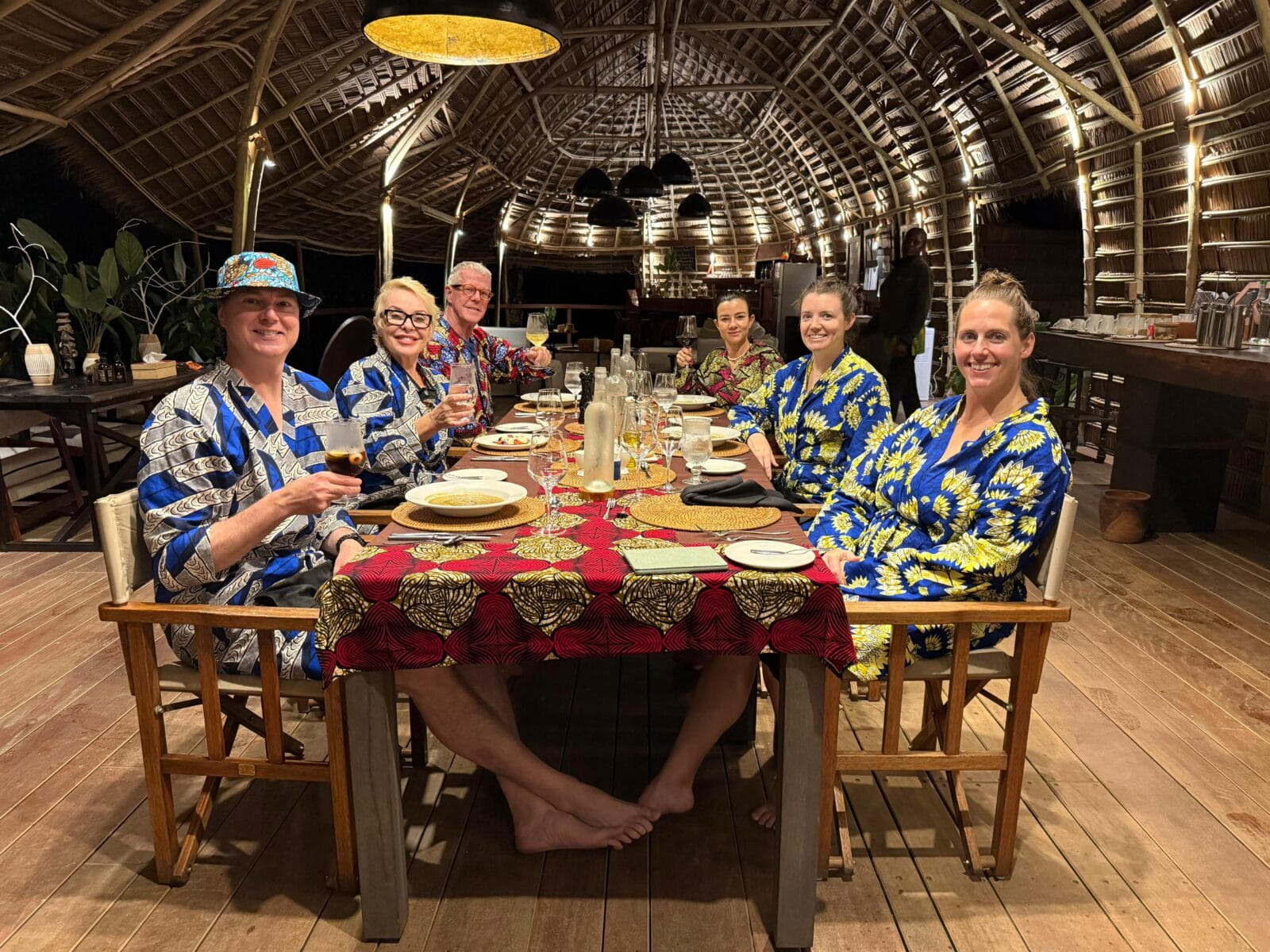
Who Came on These Trips and Why It Mattered
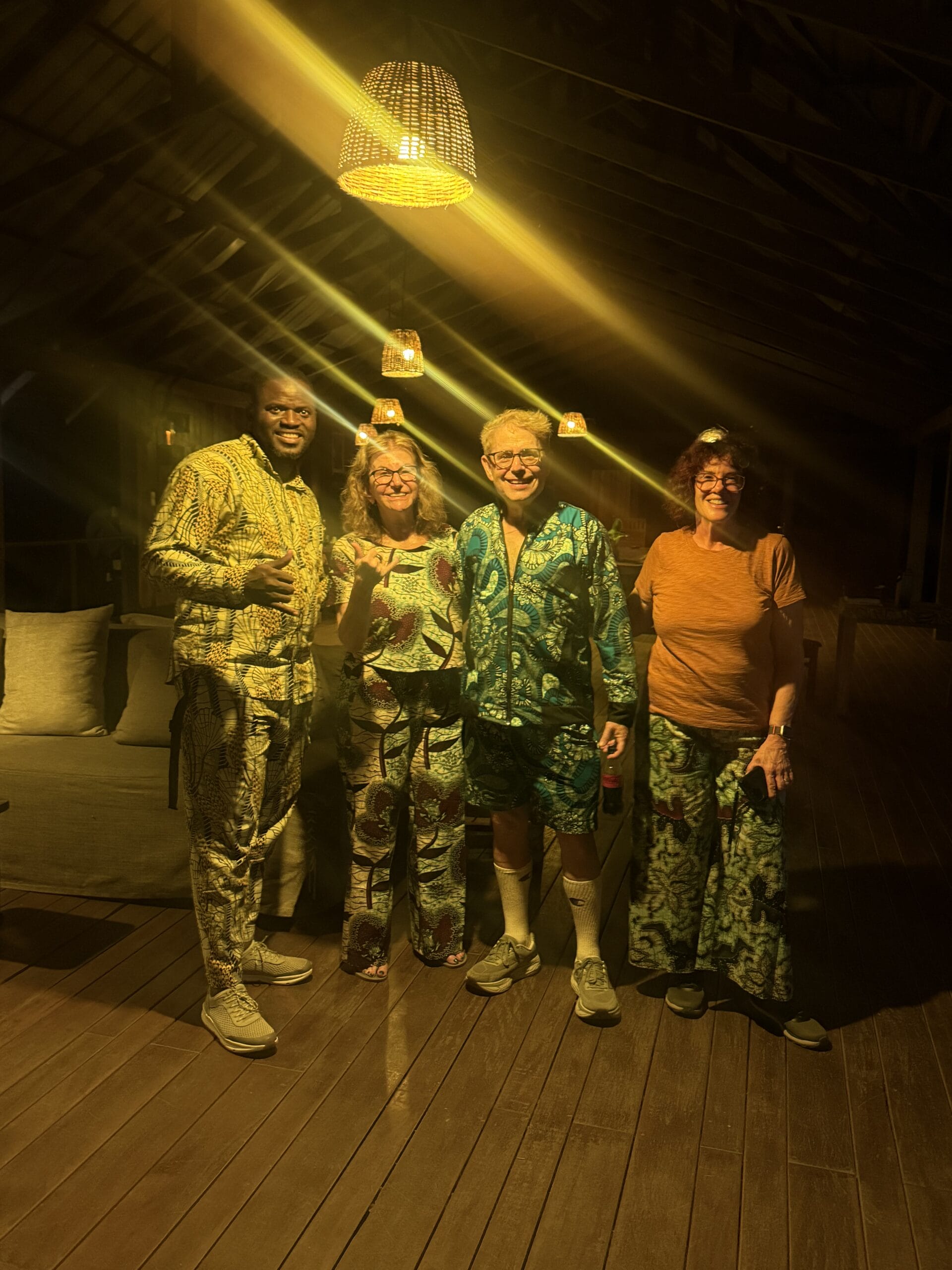
I want to tell you about the people in my groups, because I think it matters for anyone wondering whether Congo is ‘for them’.
I had beloved guests in their 70s who completed most walks or had some tailored for them, and came home saying it was the trip of their lives.
I had first-timers.
I had LGBTQ+ couples.
I had a guest who discovered she might be pregnant just a day before takeoff. She came anyway, did everything, and was magnificent she was totally unafraid. FIRST TIME IN AFRICA I must add!
I had a single gentleman from Bermuda with an enormous personality who was game for every single excursion and activity.
I had wildlife obsessives who could name every bird by its call.
What they had in common was spirit. A genuine love of wild places and true nature.
An orientation toward wonder rather than convenience. And a willingness to get a little bit down and dirty in the realness of Africa.
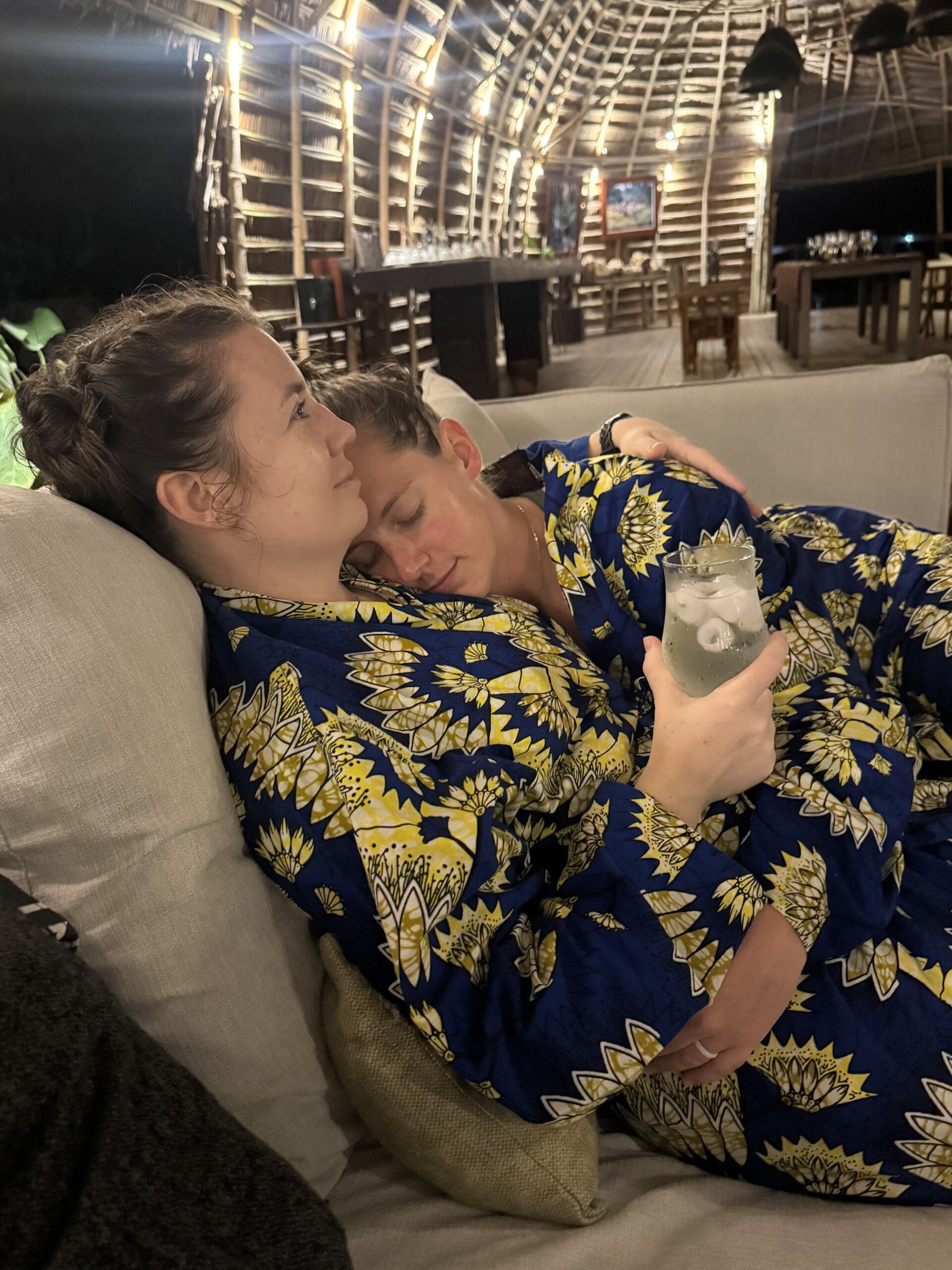
(The laundry service at all three camps is excellent by the way. That’s my promise.)
What’s Next: Gabon, Chad, Gorongosa.. maybe Angola?
I’m already looking at what comes after Congo and I want the people who’ve read this far to be the first to know.
Congo + Gabon
Gabon borders Odzala. There is a four-hour graded road from the park to the Gabonese border. Gabon is widely considered to be Africa’s next great safari destination pristine, barely visited, extraordinary wildlife. Sikeleli is actively building a combined Congo-Gabon itinerary right now. If you want early access, tell me.
Chad
Everyone serious in the safari world is talking about Chad. I’m still learning I don’t share destinations until I know them well enough to stake my reputation on them. Watch this space.
Gorongosa, Mozambique – Bush and beach
My personal next expedition with HAND selected guests. A park in Mozambique with wildlife density that defies belief and almost zero tourism and has been Africa Park’s greatest success story to date. I’m putting together a small crew for this one.
If the words ‘Jurassic’ and ‘barely anyone goes there’ and ‘ridiculous densities of wildlife’ are making your heartbeat faster right now, email me directly and email me now the group is already filling.
Come. Really… Come with us.
I’m going to end with the same thought I keep coming back to since I got home.
The world is full of safari destinations. Many of them are brilliant. Many of them Sikeleli has been curating for more than a decade. But there are very few places left where you can stand in 5.6 million hectares of ancient rainforest and know, genuinely know, that fewer than 600 humans have experienced this in the year past.
The Congo Basin is one of those places.
It is wild in a way that is becoming rarer. It will not stay undiscovered forever.
And right now, Sikeleli has the relationships, the knowledge, and the access to take you there. Away from the madding crowds.
“I’ve done this twice now. I’d do it again tomorrow. Come with me or come with Karen in 2027. Just come.”
The 2027 Sikeleli Congo Expedition with Karen is forming now. For private itineraries at any time, we’re ready for that conversation too so you don’t have to travel with us, you can do this as a couple, solo or small group, this is up to you.
danni@sikelelitravel.com | karen@sikelelitravel.com | fungai@sikelelitravel.com