

Zambia: Where long time Safari Travellers Find Their Edge
Posted on January 21, 2026, featured in Experiences
There’s a particular kind of traveler who’s done the classic game drives, ticked off the Big Five, and collected passport stamps across East and Southern Africa. They’re the ones who, over sundowners, start asking about the places that still feel wild, still hold secrets and far less people, still make your heart race when you round a bend in the river and hold unexpected surprises of that natural kind that give goosebumps even to the most hardened safari enthusiast, gifts to the person who thinks ‘I have seen it all in Africa’…
If that’s you, let us tell you about Zambia.
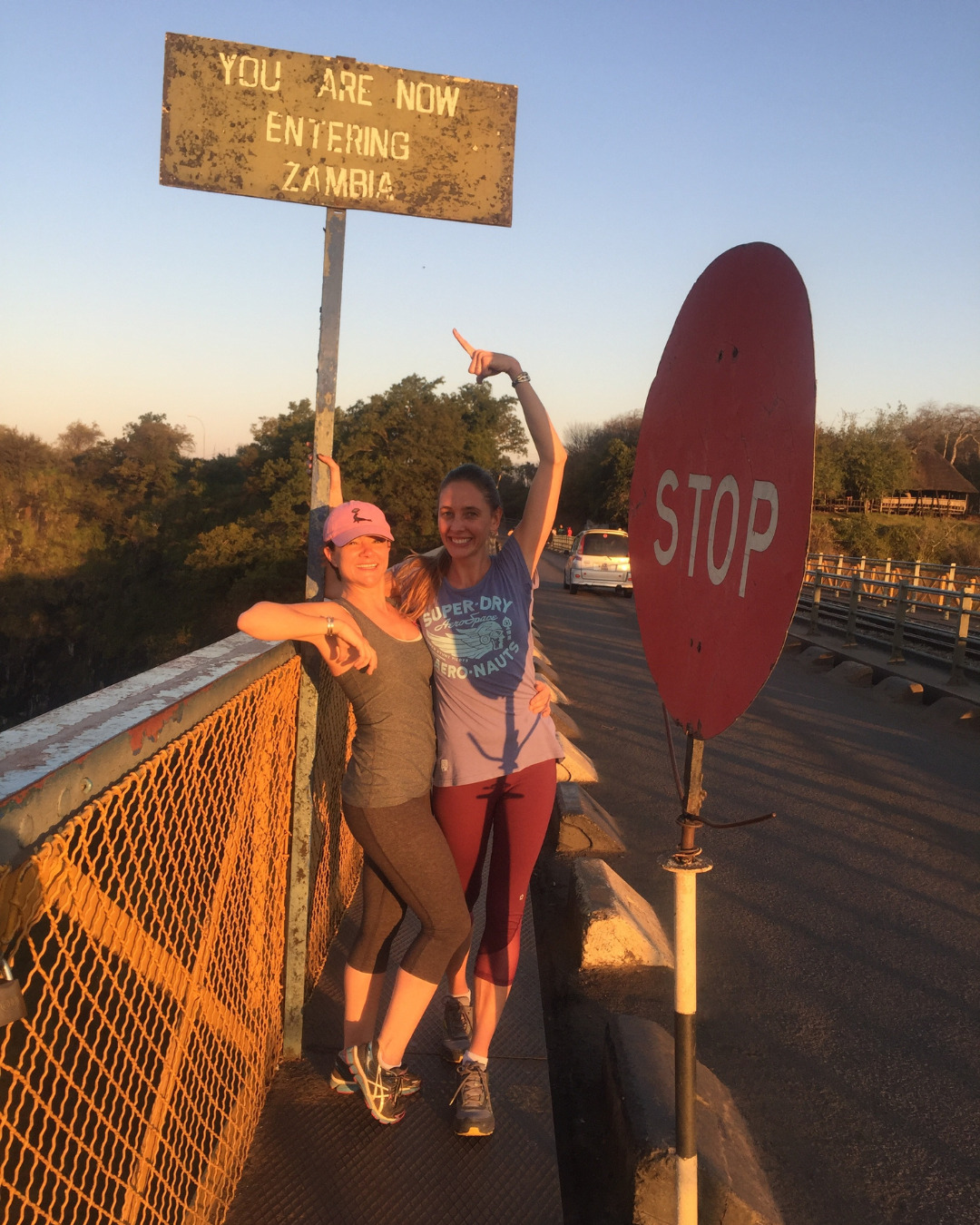
Danni spent a very long time managing camps in Zambia, Livingstone first then the deepest part of the Kafue National Park, way before Sikeleli was even a sketch on our kitchen table, and she draws this: Zambia is where safari stops being observation and becomes immersion. This is the country for those ready to walk safely with predators, witness natural phenomena that defy belief, and understand what “authentic wilderness” truly means. To feel completely remote, but superbly comfortable, to connect with Africa in a different way and see wildlife borne only in one’s dreams. reorder your internal compass.
Walking Into the Wild: The ‘walking safari’ birthplace
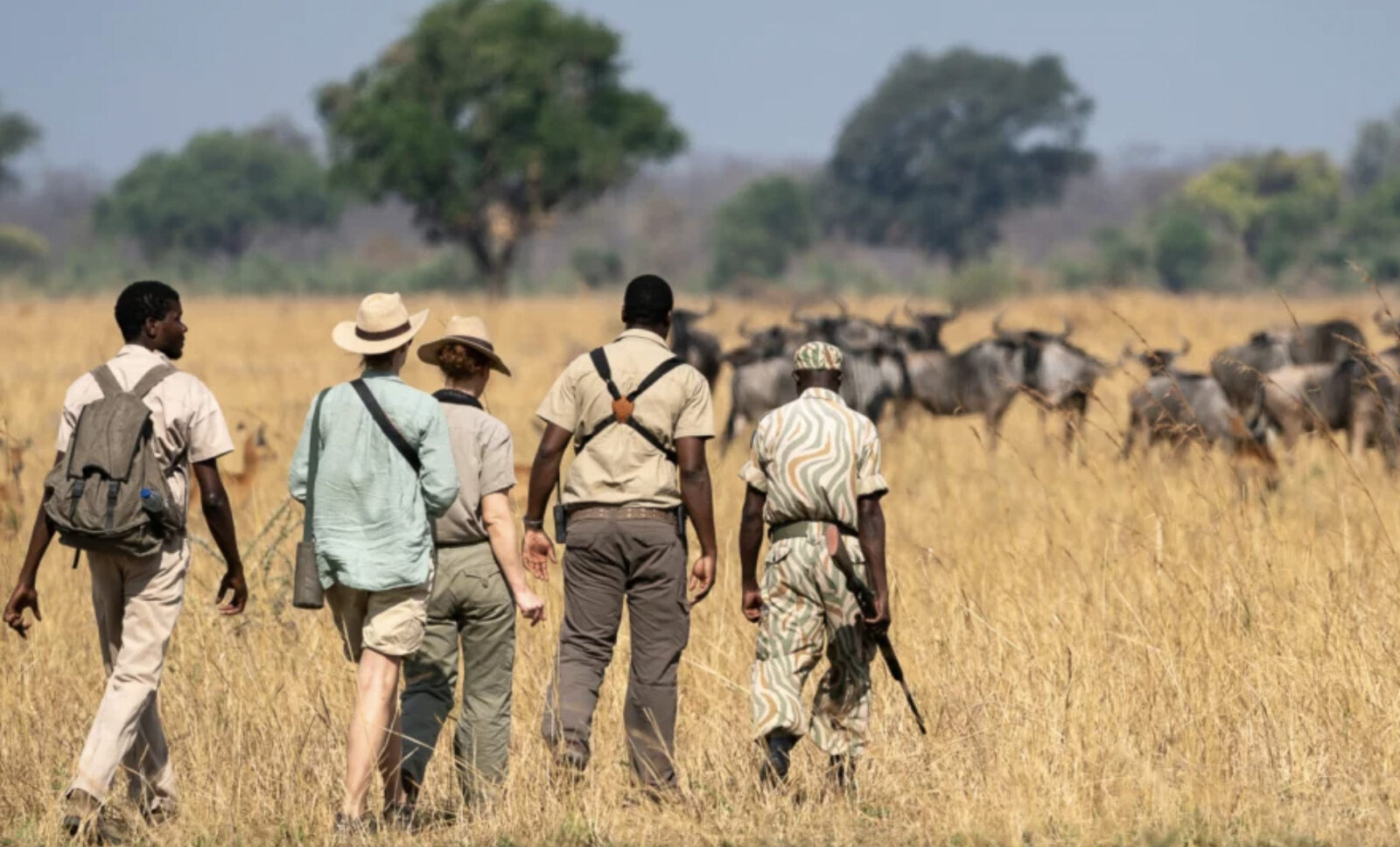
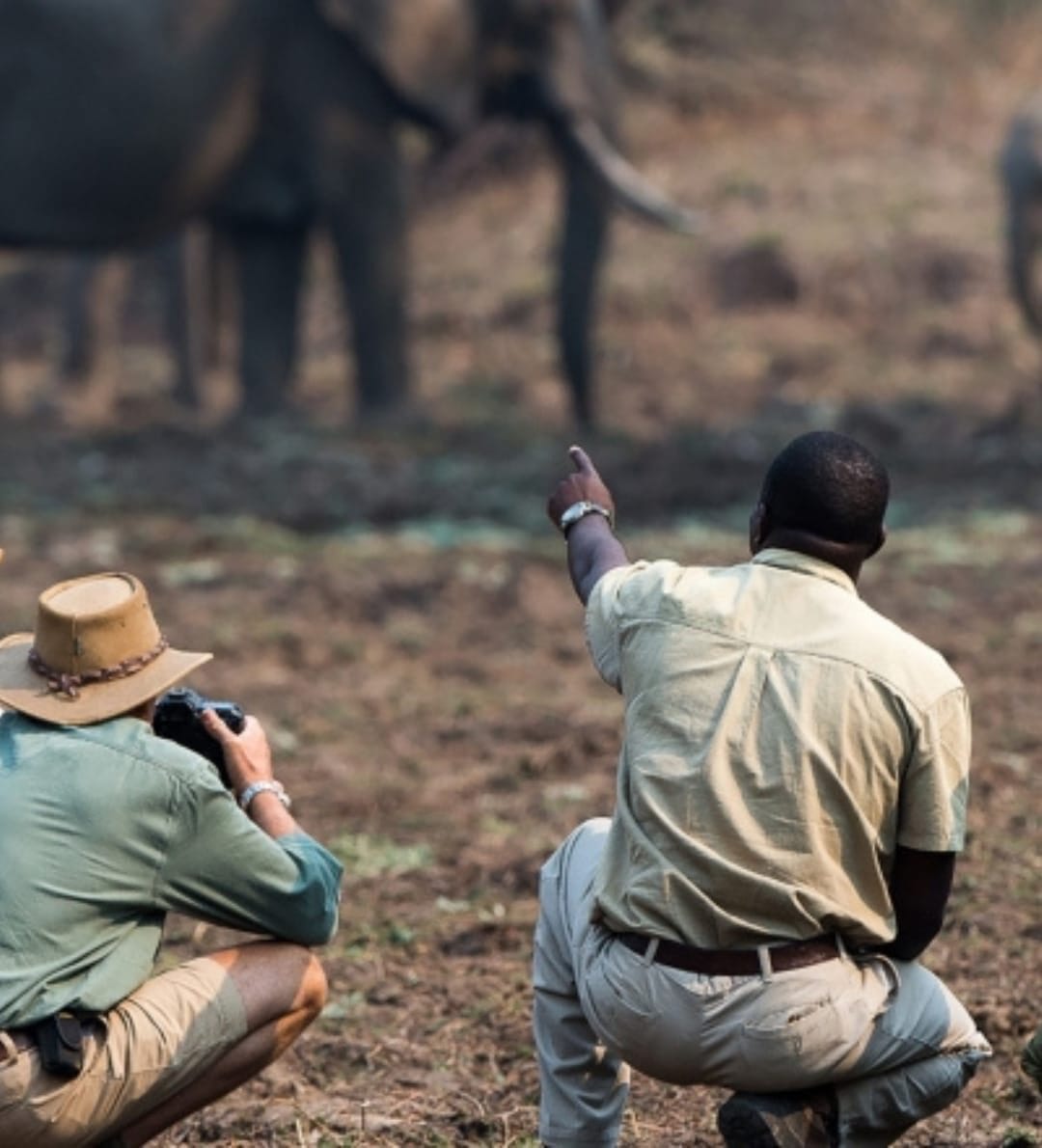
South Luangwa didn’t invent the walking safari by accident. Over 80 years ago, guides here understood something fundamental: to truly know the bush, you need to move through it at its pace, not yours. Today, this “Valley of the Leopard” remains the gold standard for walking safaris, and for good reason.
Picture this: you’re on foot, tracking a leopard that your guide spotted from fresh pugmarks in the sand. The wind is right. Your senses are heightened in ways they never are from a vehicle. You hear the alarm call of a bushbuck, and suddenly there she is,a female leopard melting into the dappled shade of a sausage tree, her kill hoisted in the branches above. You’re 30 meters away. On foot. This is Luangwa.
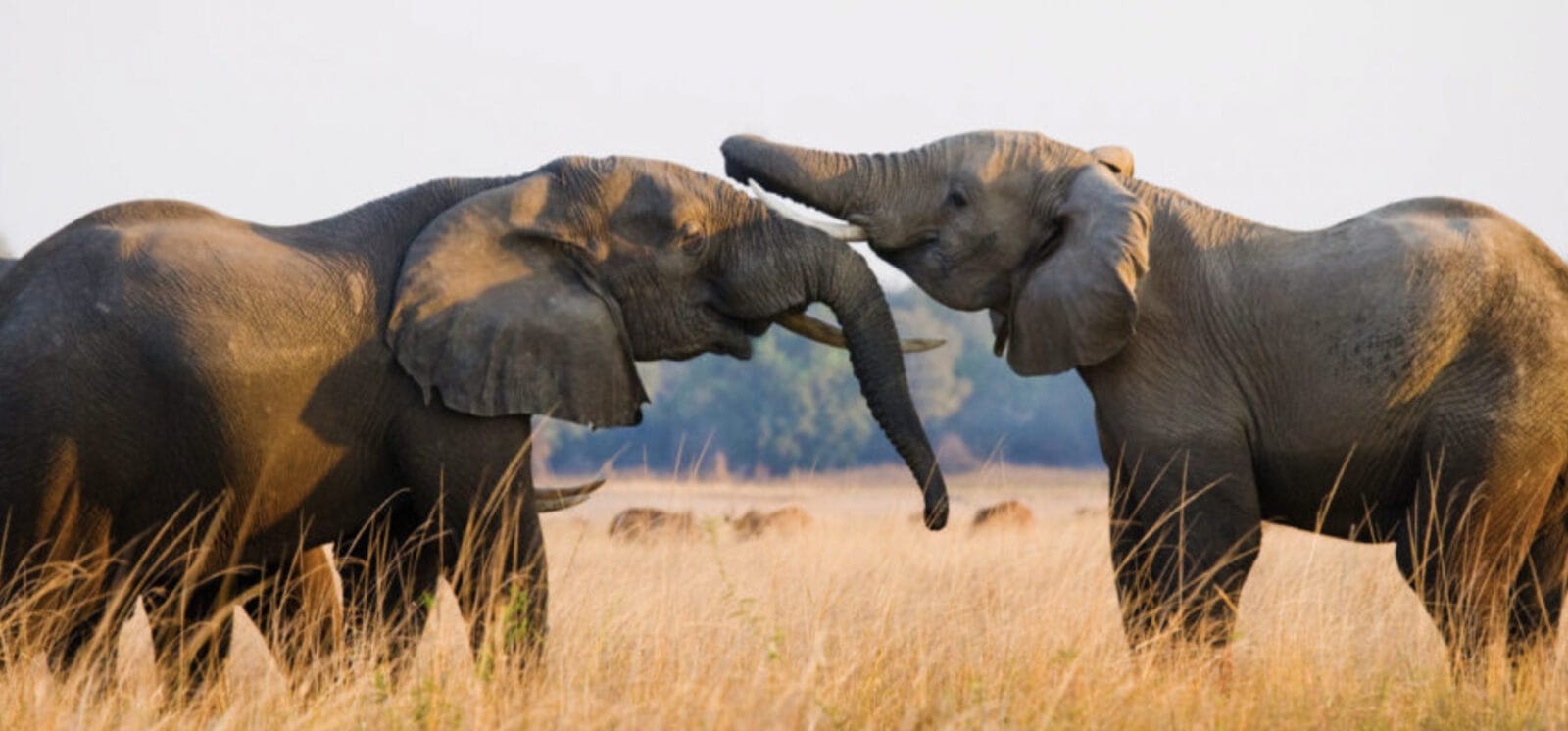
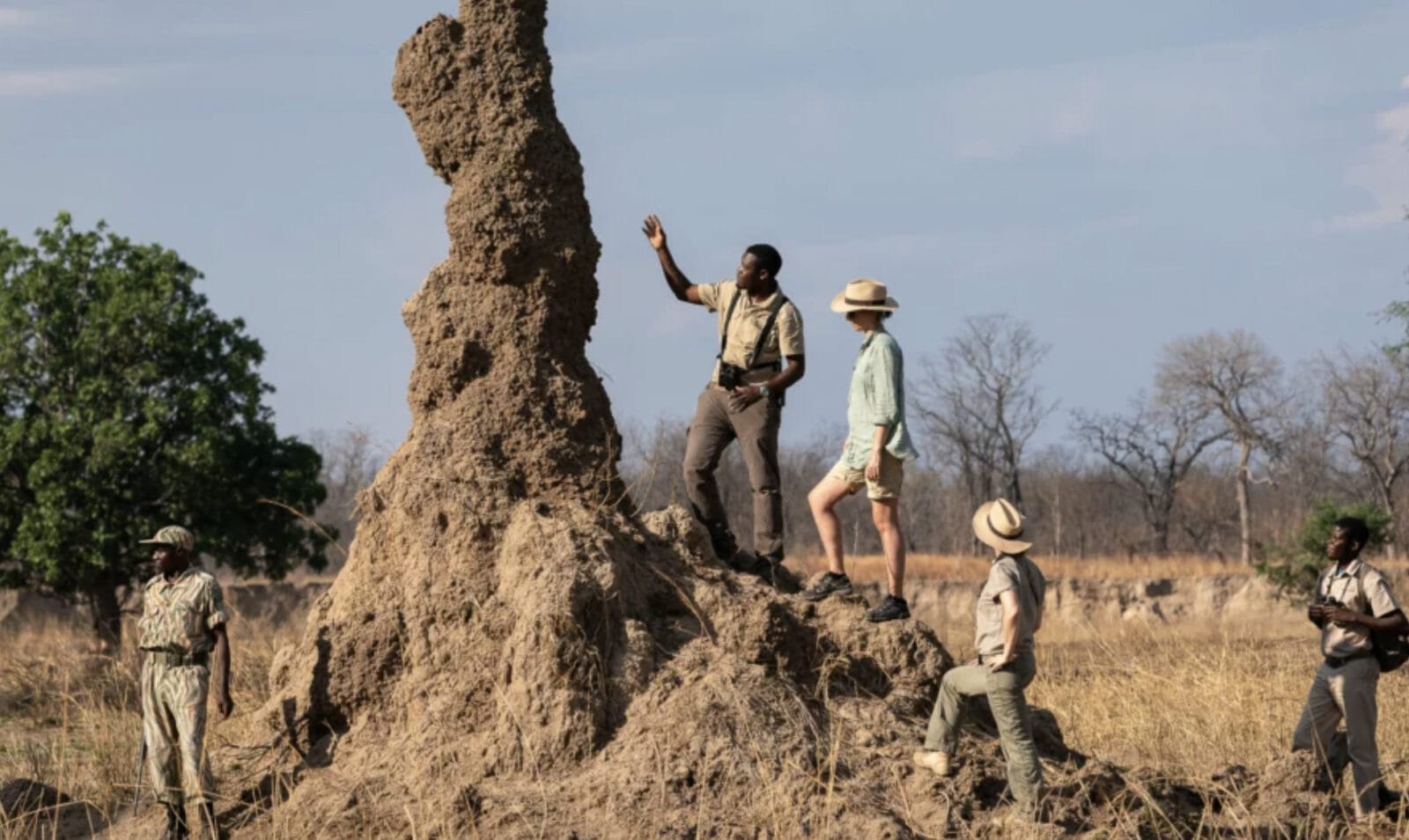
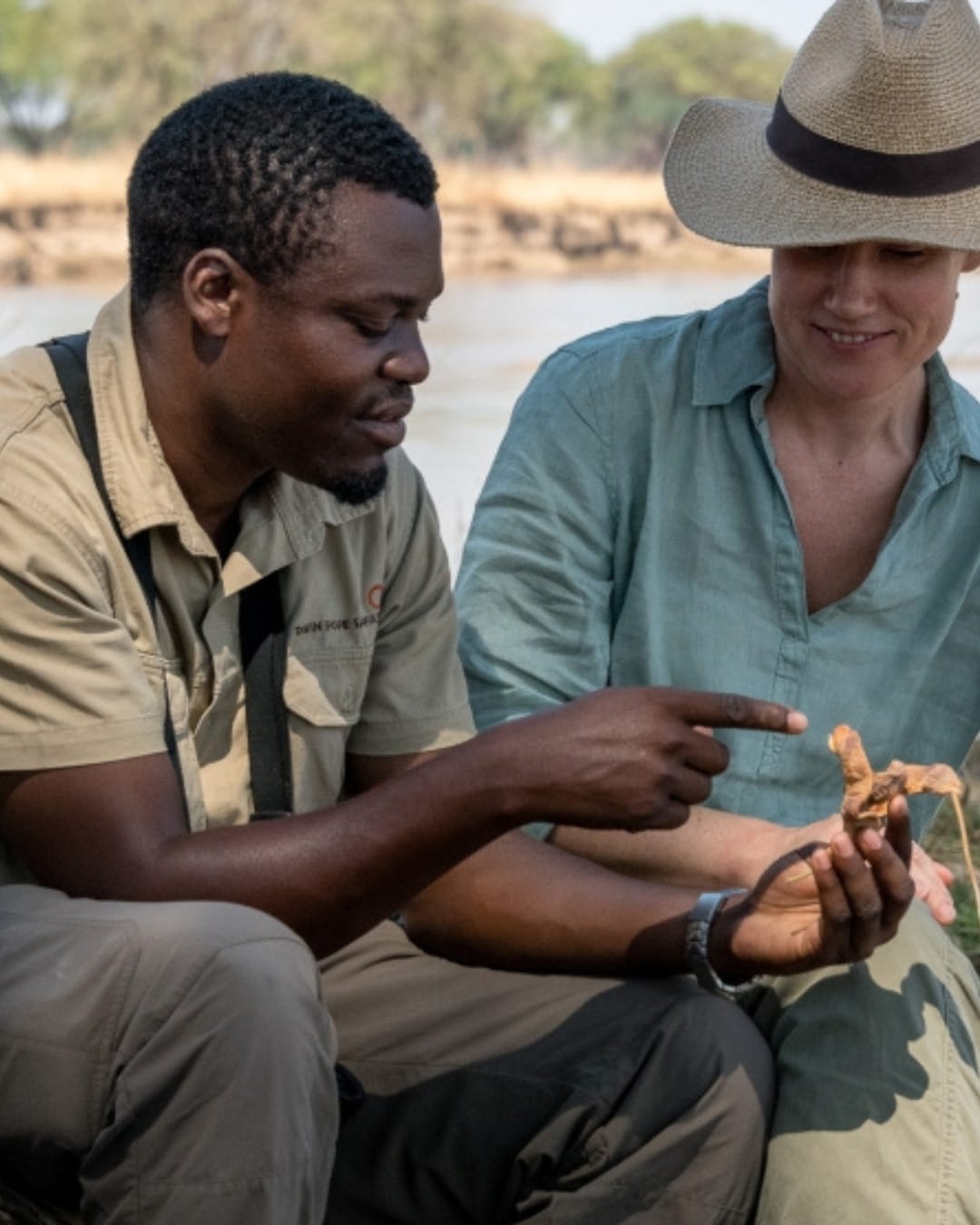
The camps here, Shawa Luangwa, named after the legendary guide Jacob Shawa, or Chinzombo with its riverside luxury, understand that walking isn’t just an activity. It’s the point. Guides here are trained over years, reading the landscape like a language. They’ll show you termite mounds that double as pharmacies for elephants, explain why that particular tree is scarred at exactly elephant-trunk height, and position you for encounters that would be impossible from a Land Cruiser.
The Bat Migration: Nature’s Most Underrated Spectacle
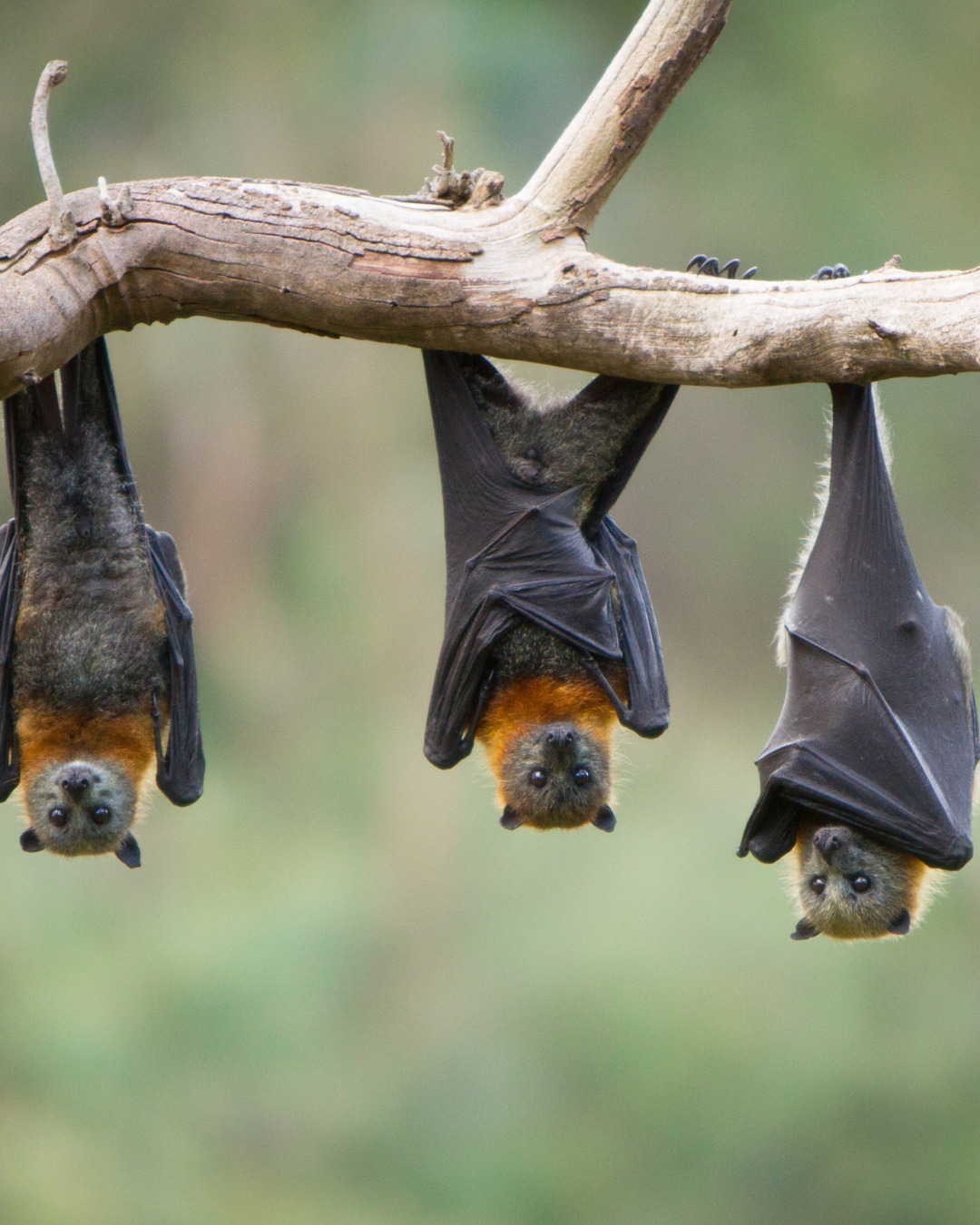
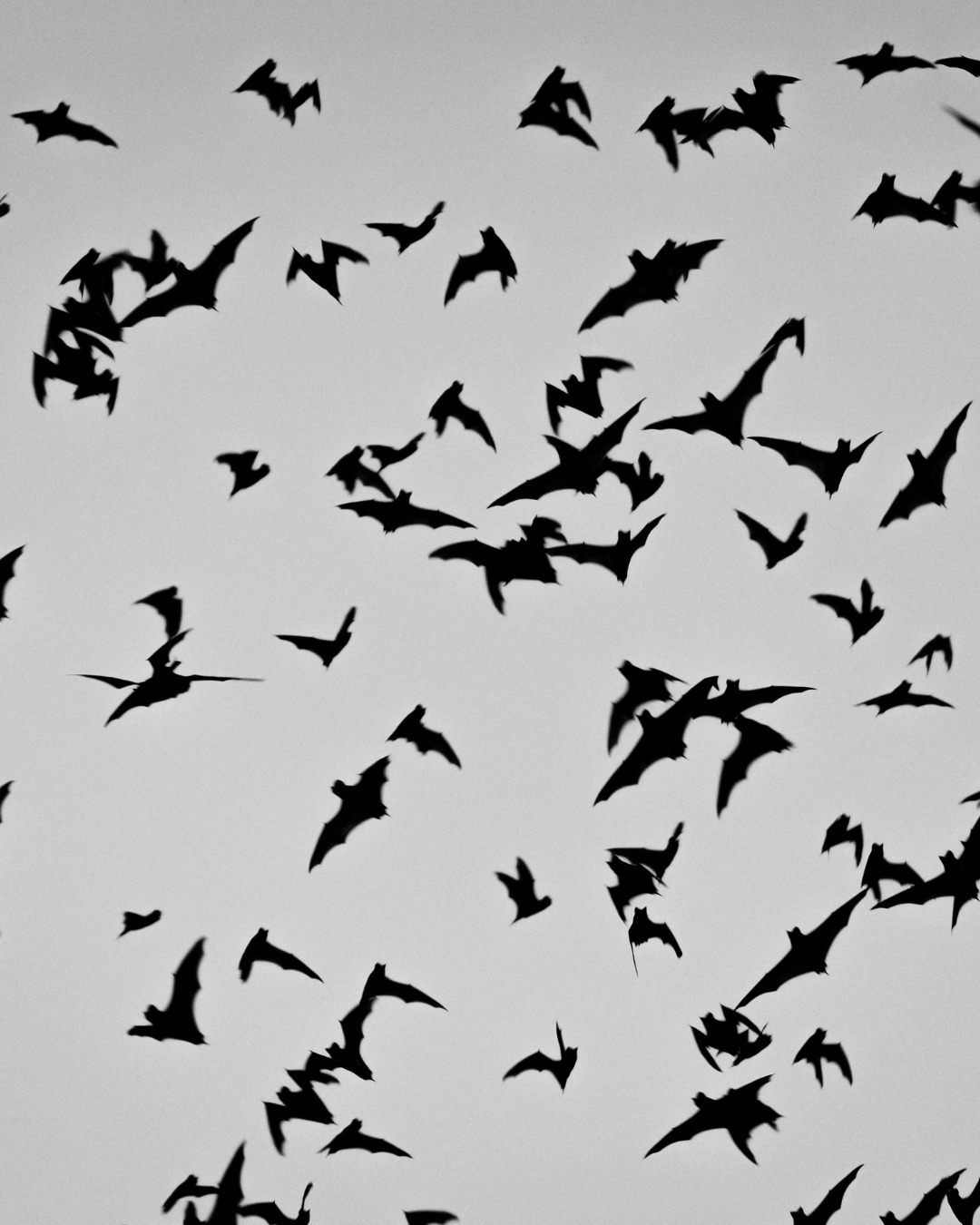
Between October and December, something extraordinary happens in Kasanka National Park that most safari-goers have never heard of: the largest mammal migration on Earth. Not wildebeest. Not caribou. Bats.
Ten million straw-colored fruit bats descend on a small patch of mushitu swamp forest, creating a living, breathing, swirling cloud that darkens the sky at dusk. The sound alone is otherworldly,a chittering, rustling symphony that builds as the sun drops. The visual? Imagine rivers of bats streaming from the forest canopy in columns so dense they look like smoke.
This is the kind of phenomenon that separates the safari veterans from the first-timers. While others are chasing the migration in the Serengeti (magnificent, don’t get me wrong), you’re witnessing something most people don’t even know exists. And when those bats take flight, filling every cubic meter of air above you, you’ll understand why some experiences can’t be found on the standard safari circuit.
The Shoebill Stork: Bangweulu’s Prehistoric Secret
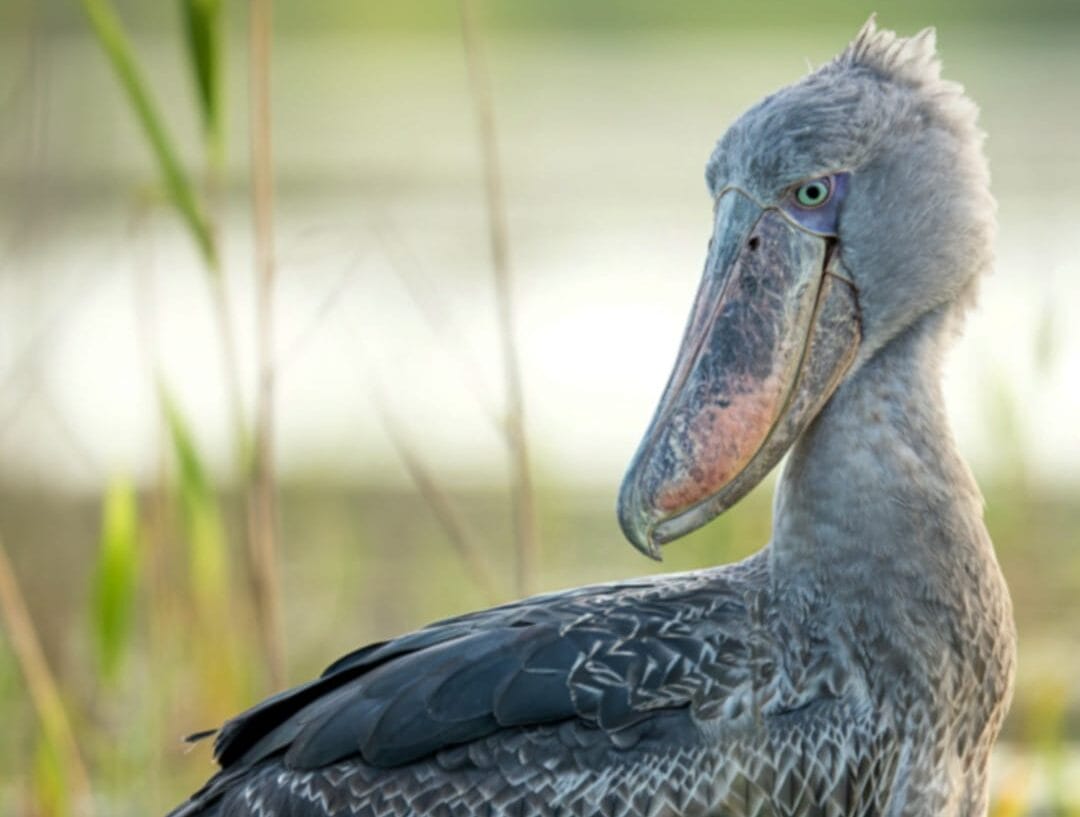
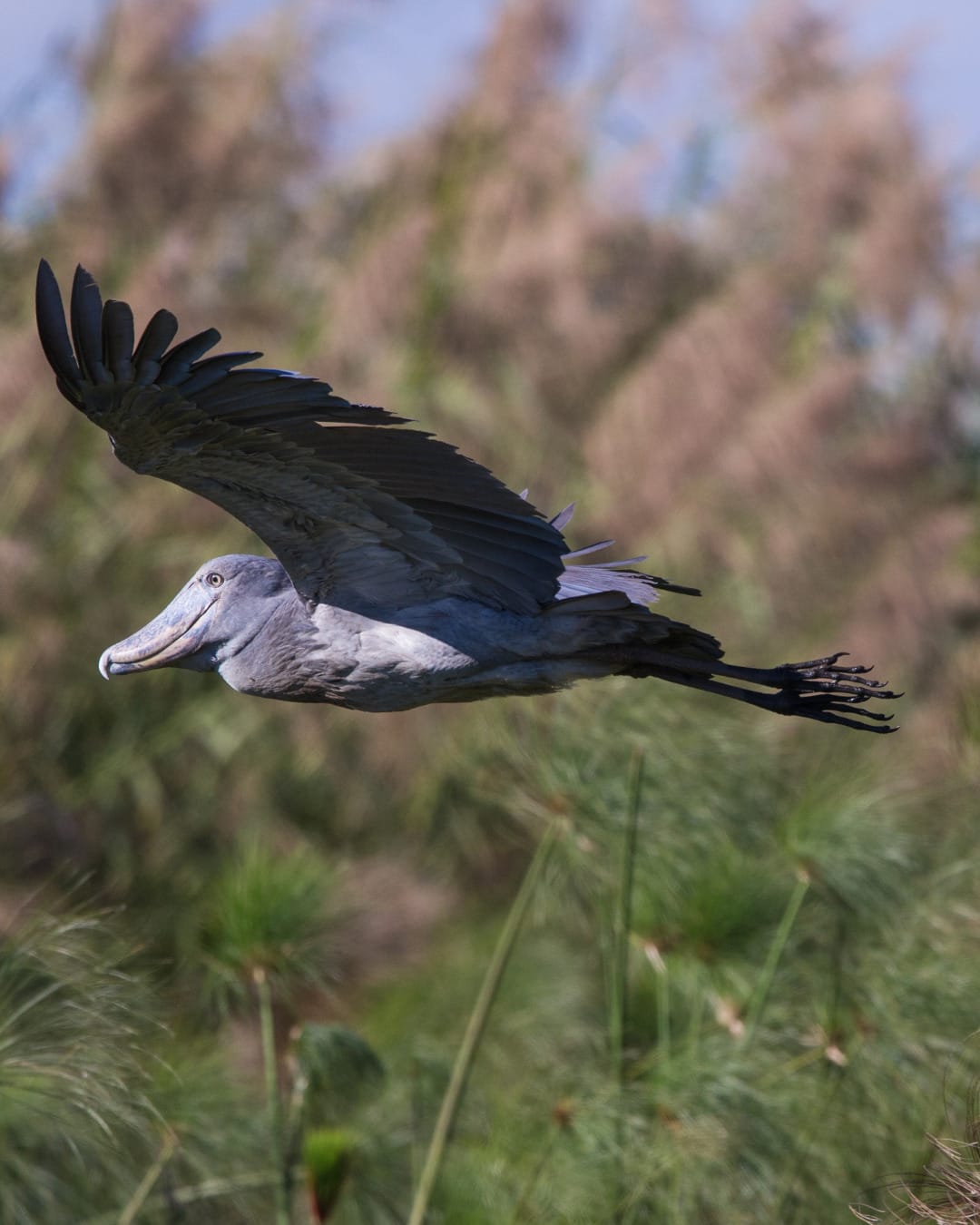
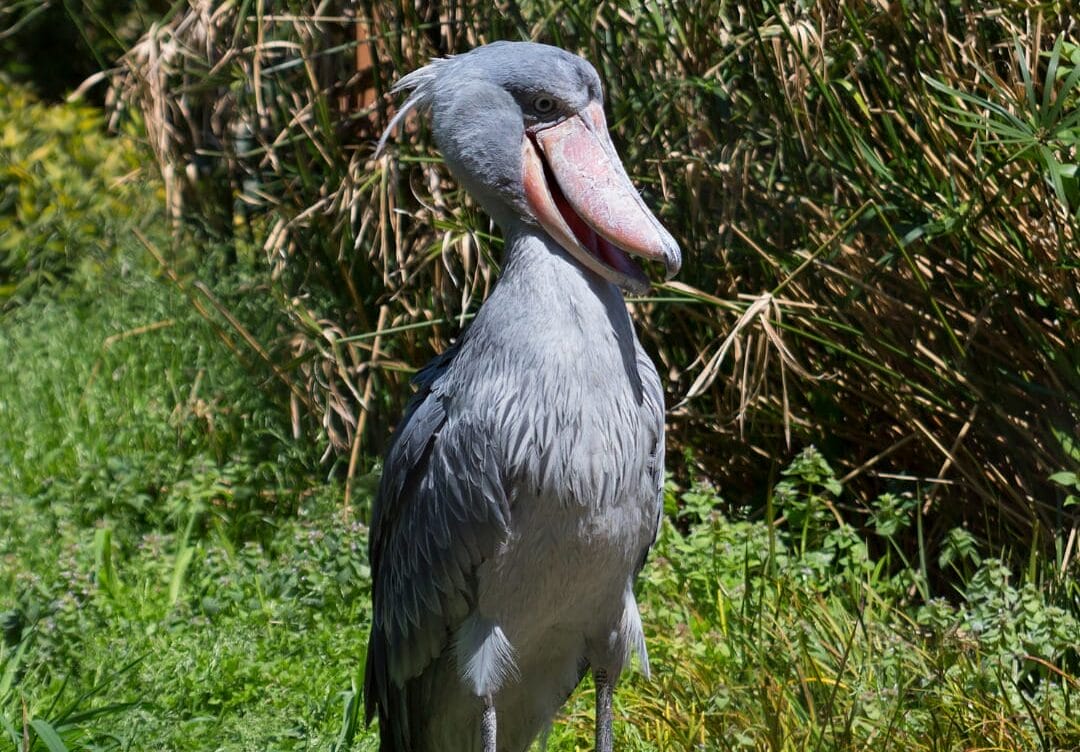
If you want to talk about rare wildlife encounters, let’s discuss the shoebill stork. This Jurassic-looking bird, standing five feet tall with a bill that looks like it could demolish a small building, is one of Africa’s most sought-after sightings for serious birders. And Bangweulu Wetlands is one of the very few places you can reliably see them.
Getting there requires commitment,a journey into one of Zambia’s most remote corners, where the wetlands stretch to the horizon and local Bemba communities still fish using traditional methods unchanged for generations. But when you spot that prehistoric profile standing motionless in the papyrus, waiting with the patience of a creature that’s been perfecting this hunting technique for millions of years, you’ll know exactly why you came.
The shoebill doesn’t just stand there, by the way. When it strikes, it’s with devastating speed and precision. I’ve watched clients hold their breath for 20 minutes waiting for that moment. Not one has ever said it wasn’t worth it.
Wild Dogs: The Painted Hunters
Let me be clear about African wild dogs: they’re not just rare, they’re ephemeral. Packs range over enormous territories, and finding them requires equal parts expertise, patience, and luck. But Zambia,particularly the Luangwa Valley and parts of Kafue,offers some of the best wild dog sightings on the continent.
These painted hunters operate with a social complexity and hunting efficiency that puts most predators to shame. Their pack coordination is ballet-level precise, their success rate in the hunt is unmatched, and watching them interact with their young is to witness one of nature’s most sophisticated family structures.
I’ve had clients who’ve done a dozen safaris across Africa and never seen wild dogs. Then they spend a week at Shawa Luangwa or Ila Safari Lodge and encounter a pack at a den site, watching pups tumble over each other while adults return from the hunt to regurgitate food. These aren’t animals you check off a list. These are moments that redefine what you thought safari could be.
Leopard Paradise: South Luangwa’s Crown Jewel
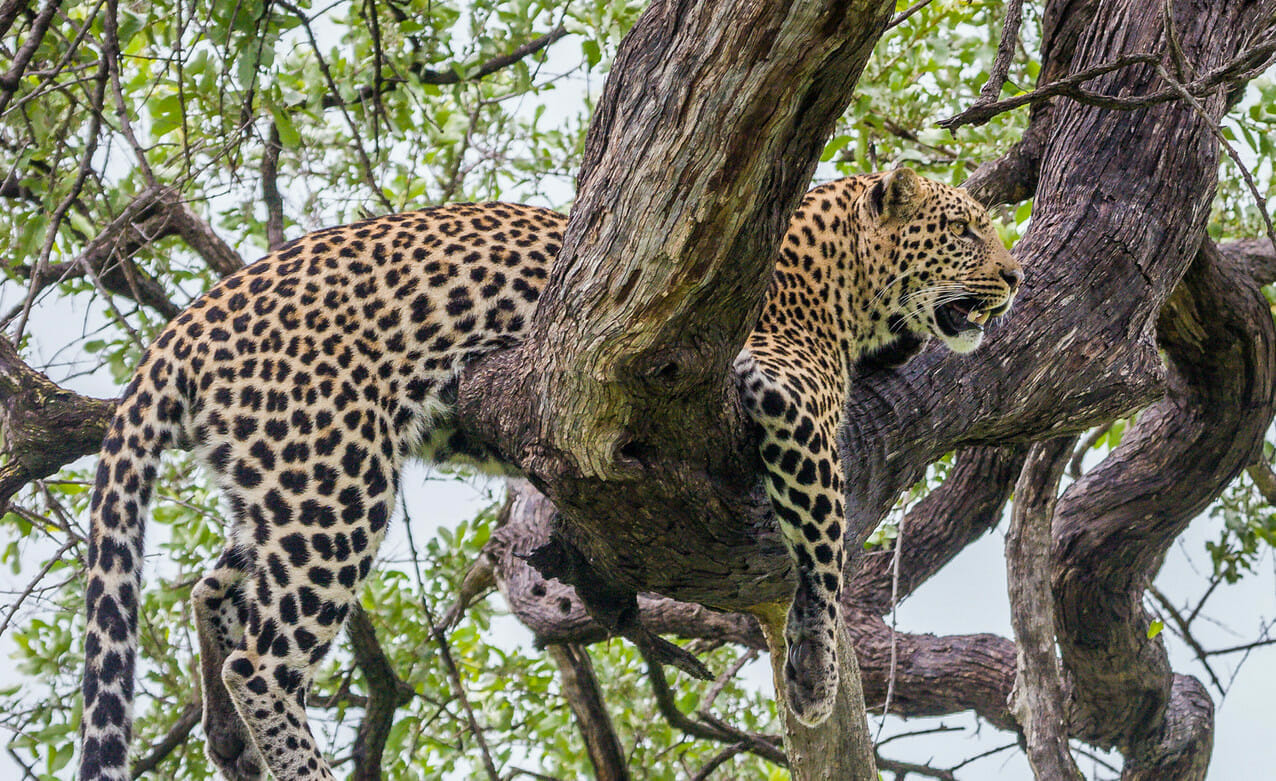
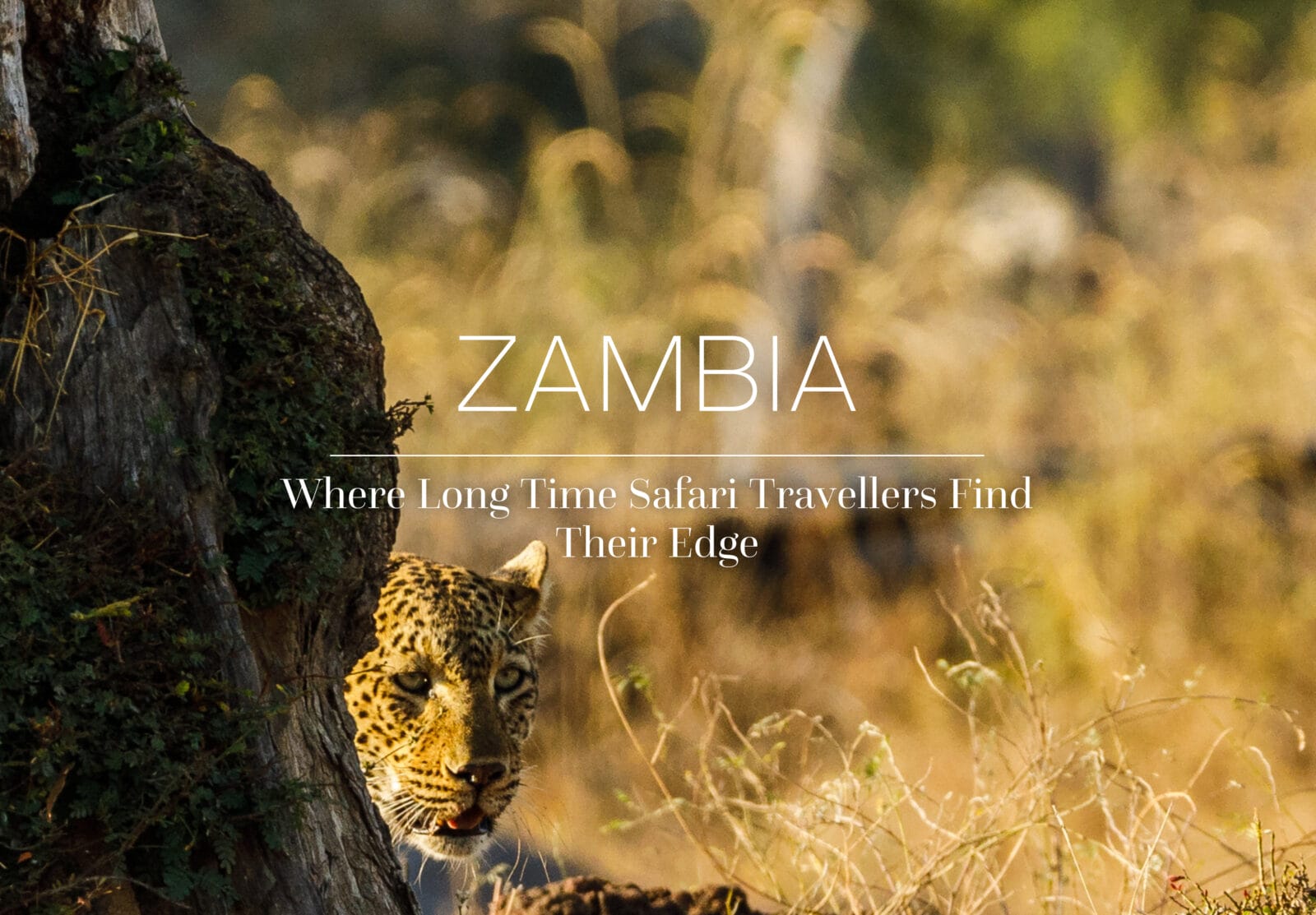
I mentioned earlier that South Luangwa is called the “Valley of the Leopard,” and that’s not marketing hyperbole. The leopard density here is extraordinary, and more importantly, the leopards are habituated enough to allow for those intimate encounters that turn good safaris into legendary ones.
Unlike regions where you might spot a leopard’s tail disappearing into the undergrowth, Luangwa leopards live their lives with a kind of regal disregard for safari vehicles. You might watch a mother teaching her cubs to hunt, or witness a male on patrol marking his territory, or spend an entire afternoon photographing a leopard lounging in a tree, completely unbothered by your presence.
The guides here know individual leopards by name, territory, and temperament. They’ll tell you stories spanning years, in which a female successfully raised three litters in the same riverine grove, which young male is challenging the established territorial boundaries, where the old matriarch hasn’t been seen in weeks and might have finally moved on. This is leopard viewing at a level that simply doesn’t exist in many other places.
Livingstone: The Gracious Gateway
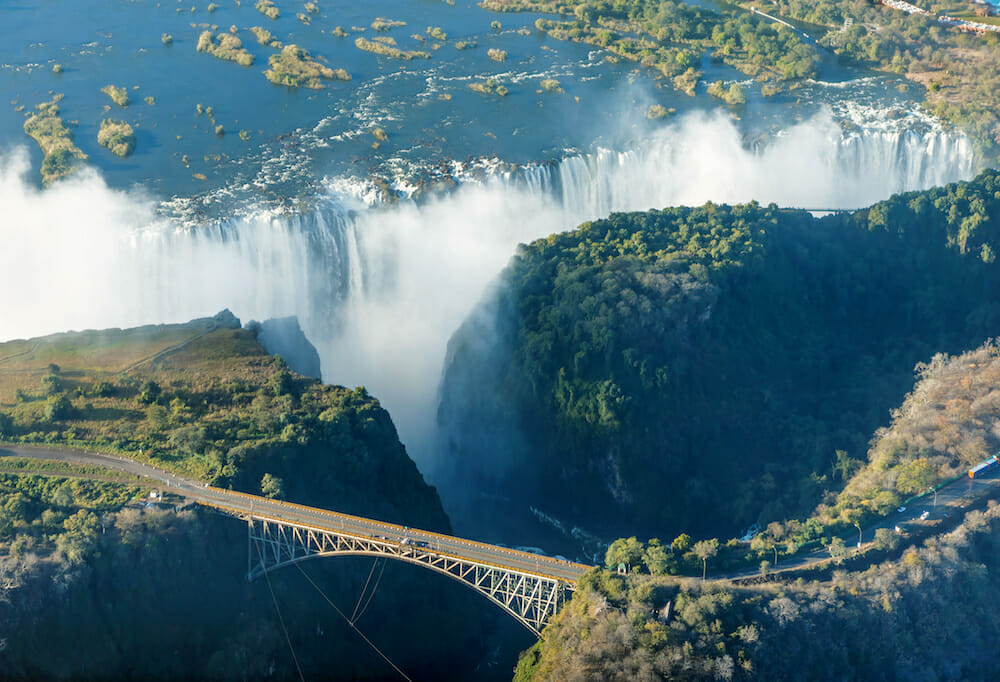
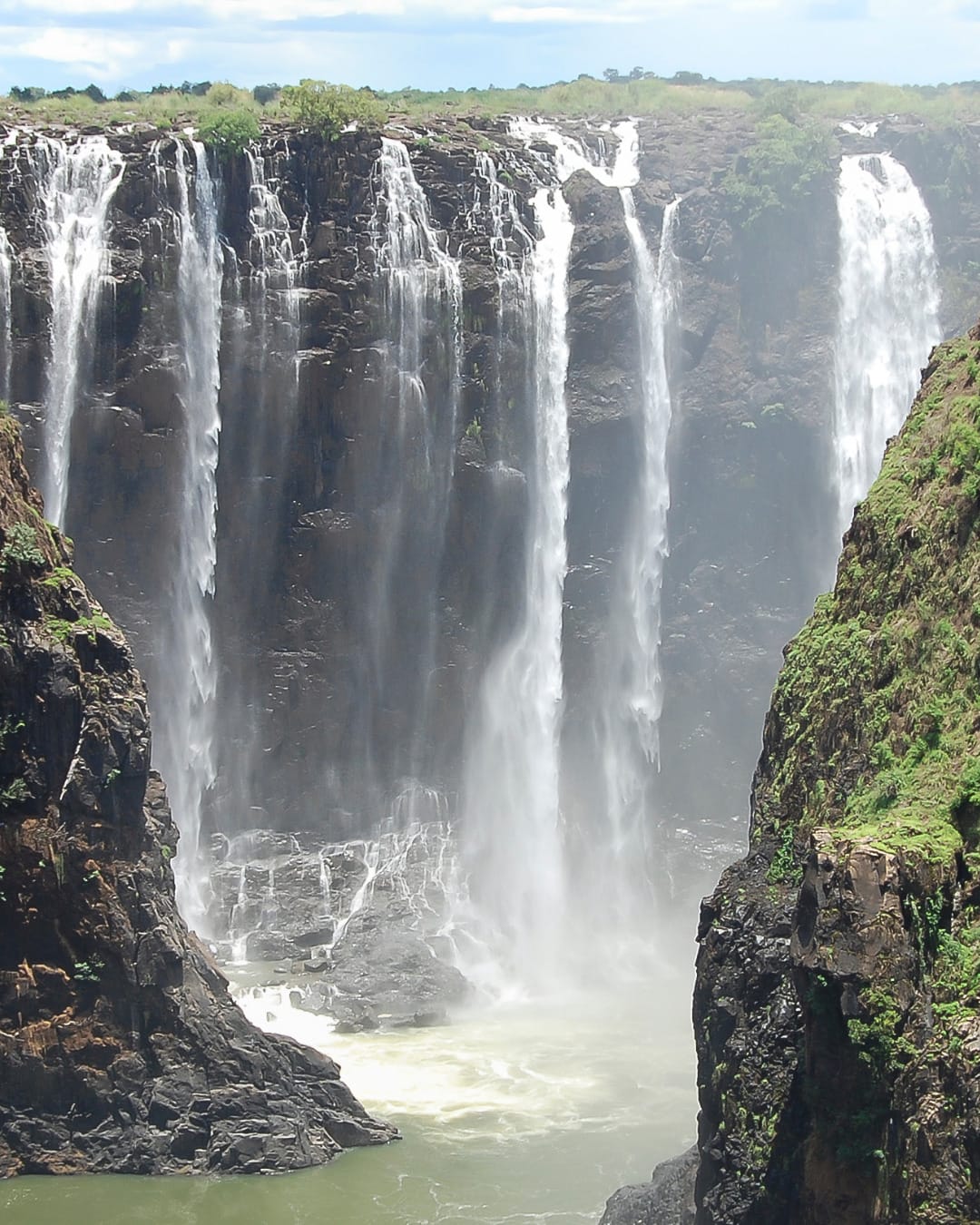
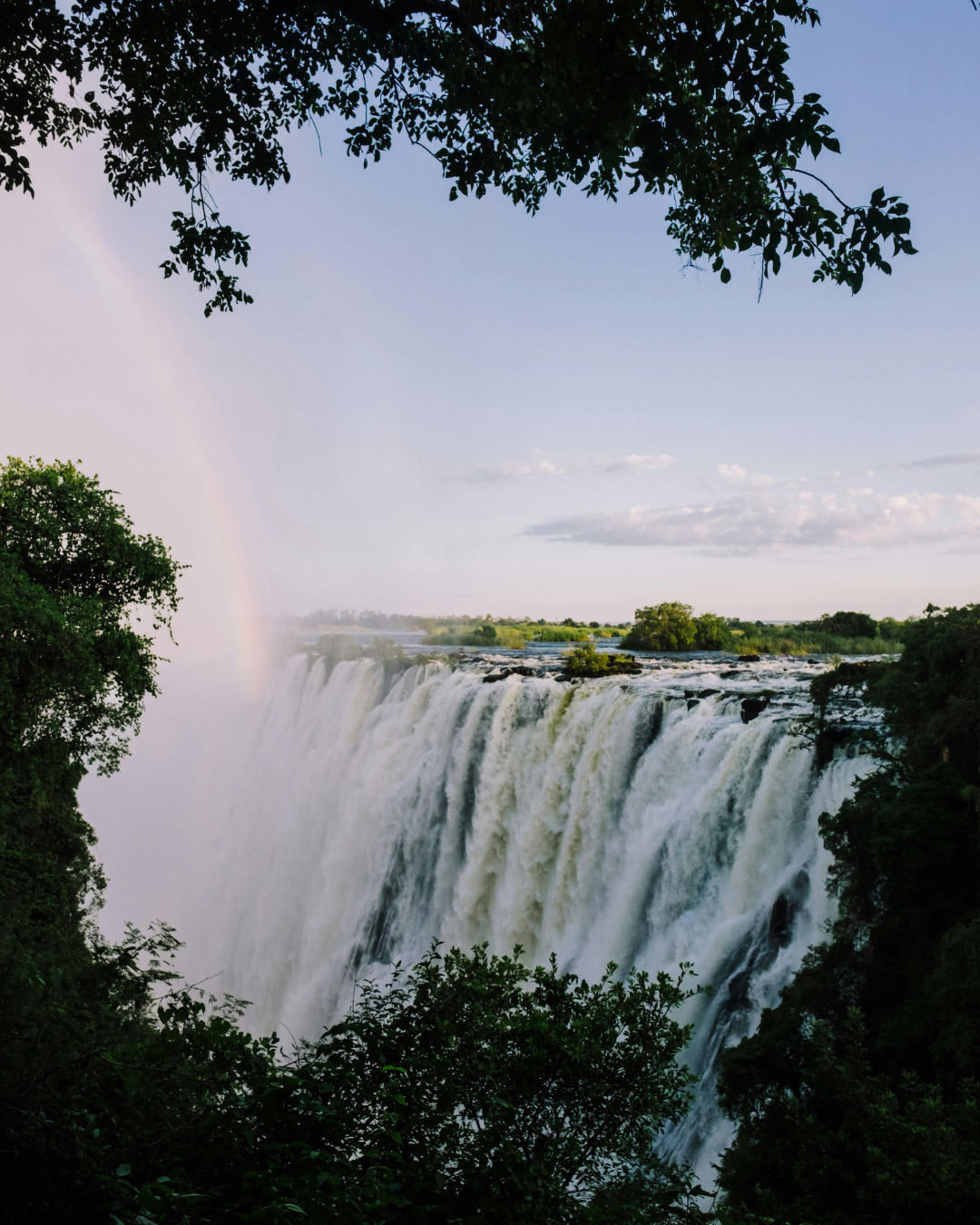
Victoria Falls is, of course, Zimbabwe’s crown as much as Zambia’s, but the Zambian side of Livingstone offers something distinct: a graciousness and accessibility that feels like home. This is where I’ve based myself for years, and I can tell you that what Livingstone lacks in glitz, it makes up for in authenticity.
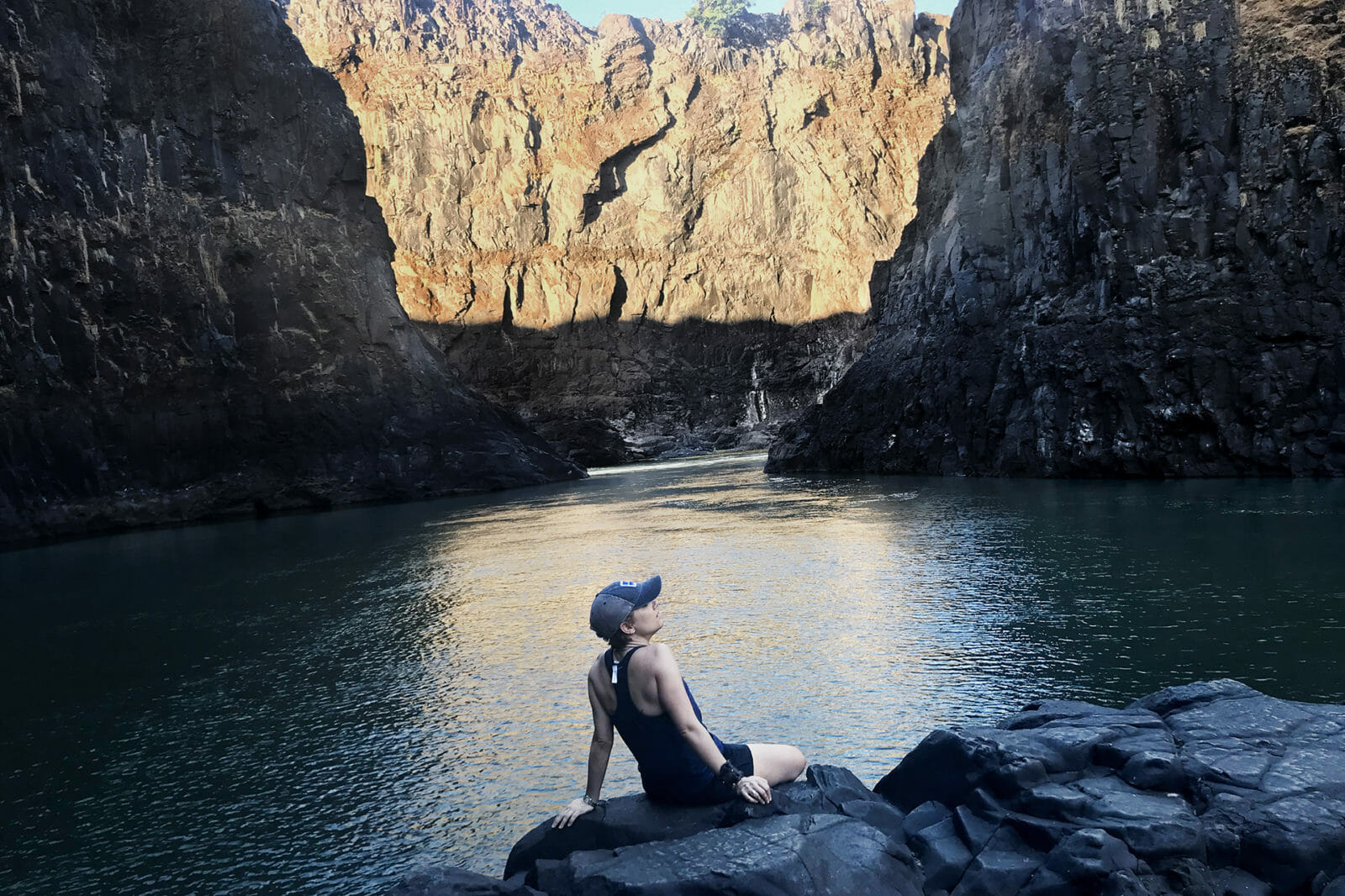
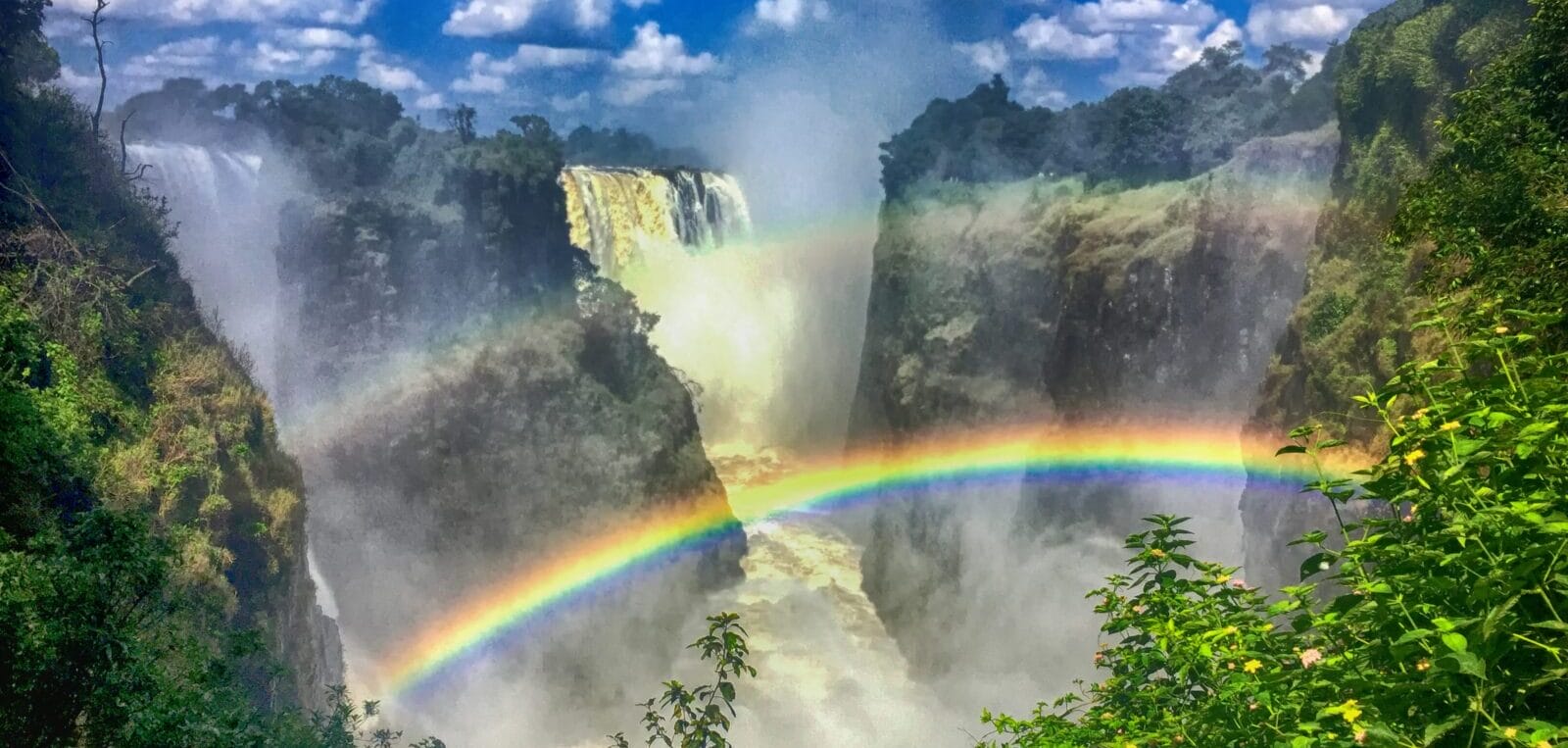
The falls from the Zambian side offer their own particular magic,in the wet season, you’re drenched in spray while standing at Knife Edge Bridge, the volume of water so immense you can barely see across the chasm. In the dry season, you can walk to Livingstone Island and peer into the Devil’s Pool, where the Zambezi River drops 108 meters into the gorge below.
But Livingstone is more than the falls. It’s the gateway to both the Lower Zambezi and Kafue, the staging ground for river journeys, and increasingly, a destination in its own right with excellent lodges and a thriving local arts scene.
Royal Chundu: Where Community Meets Luxury
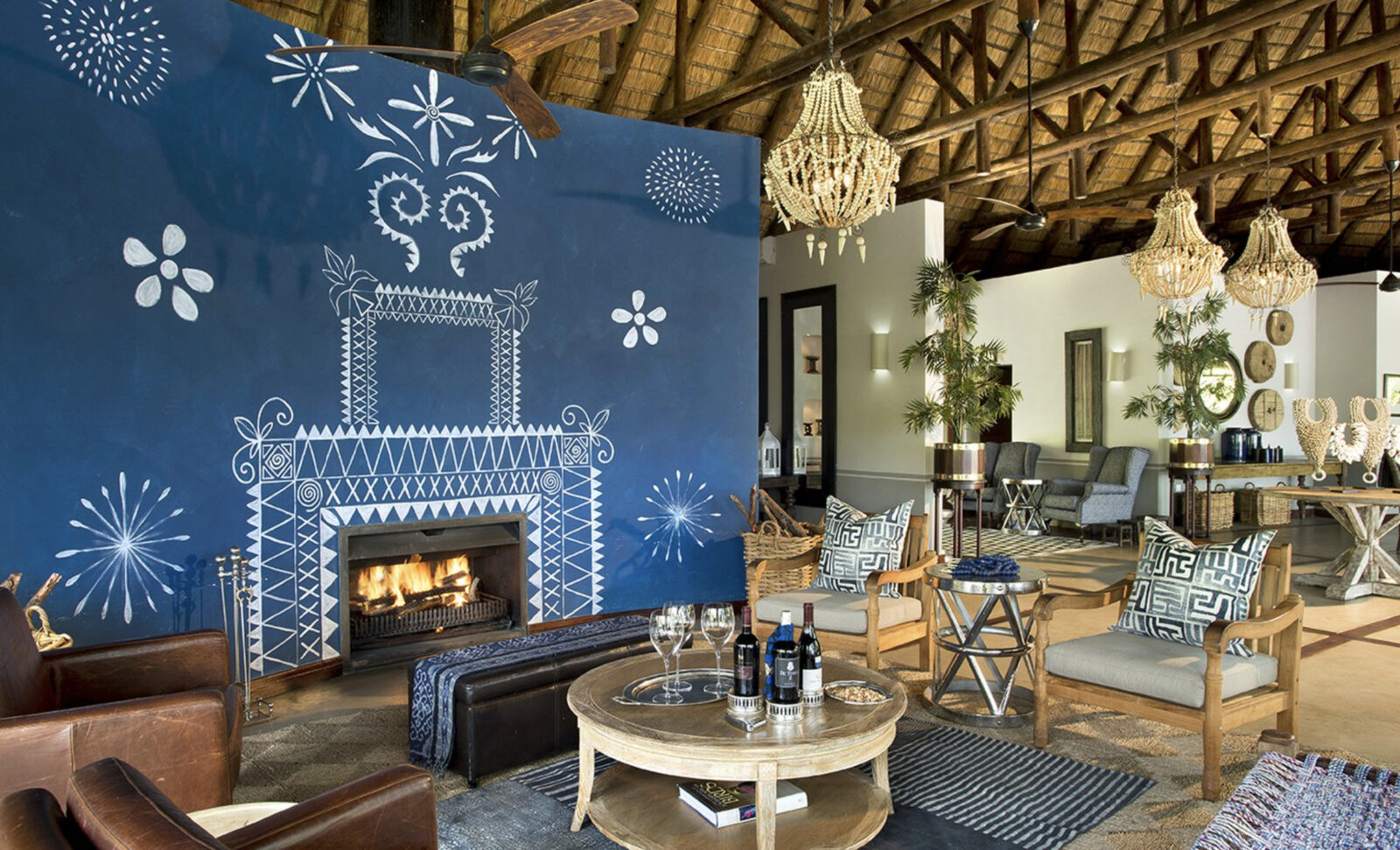
When we talk about what makes a safari lodge exceptional for advanced travelers, it’s not just the thread count or the wine list (though Royal Chundu excels at both). It’s about creating experiences that connect you to places and people in meaningful ways.
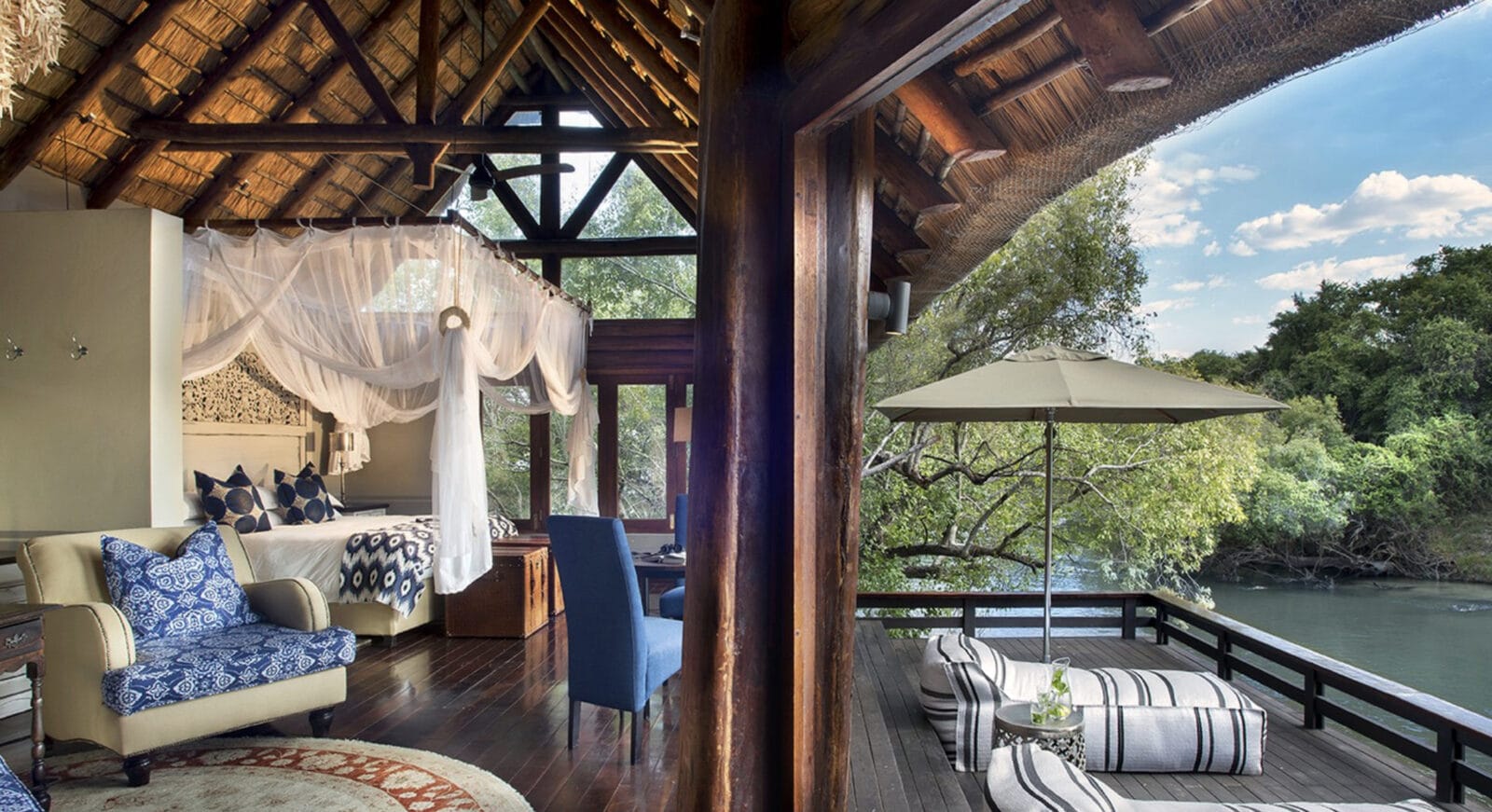
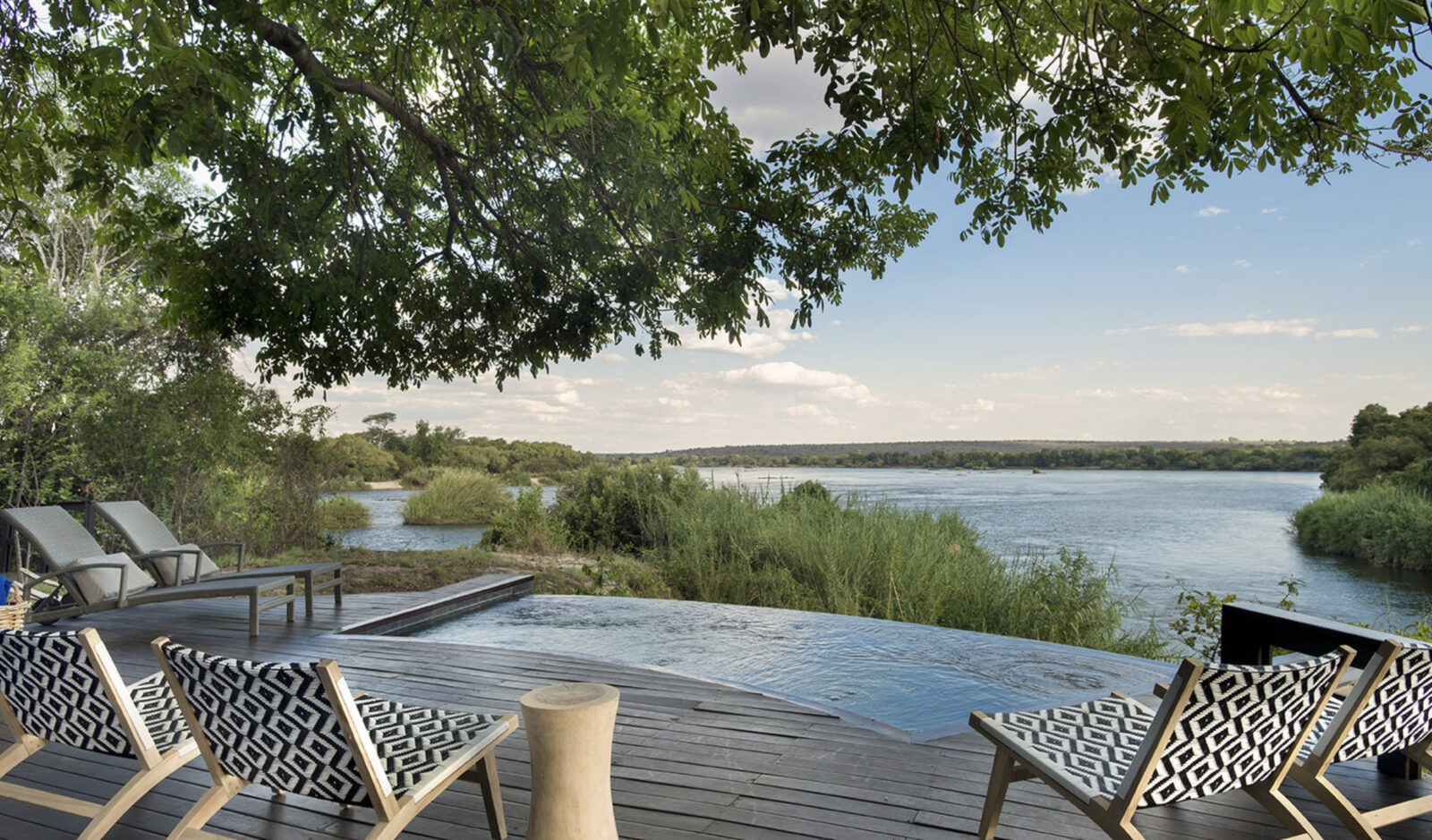
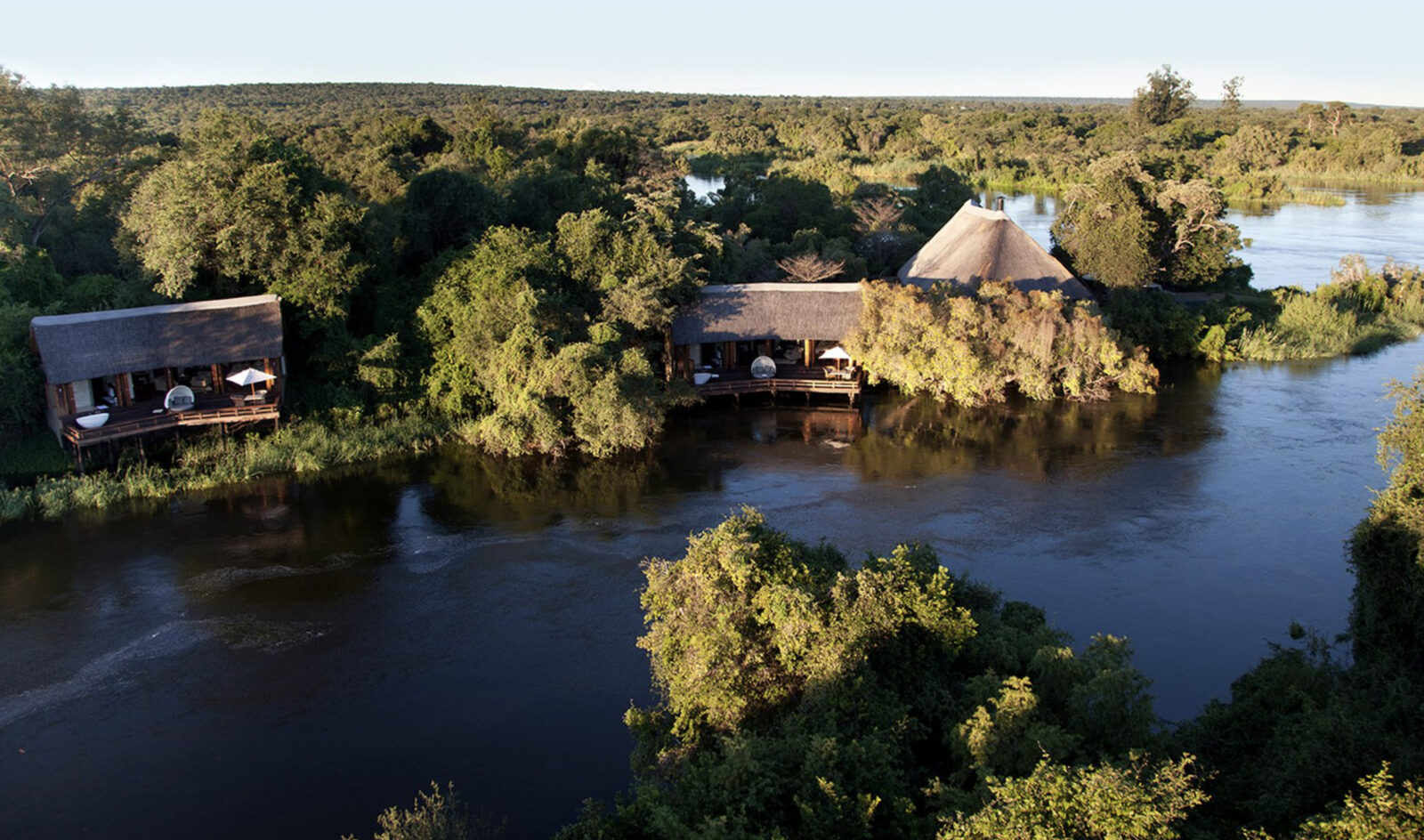
Royal Chundu sits on a private stretch of the Zambezi River, upstream from Victoria Falls, and they’ve built something special here. Yes, there are the elegant villas and the private island setting you’d expect from a luxury property. But what sets them apart is their community engagement program and the river experiences they’ve perfected over years.
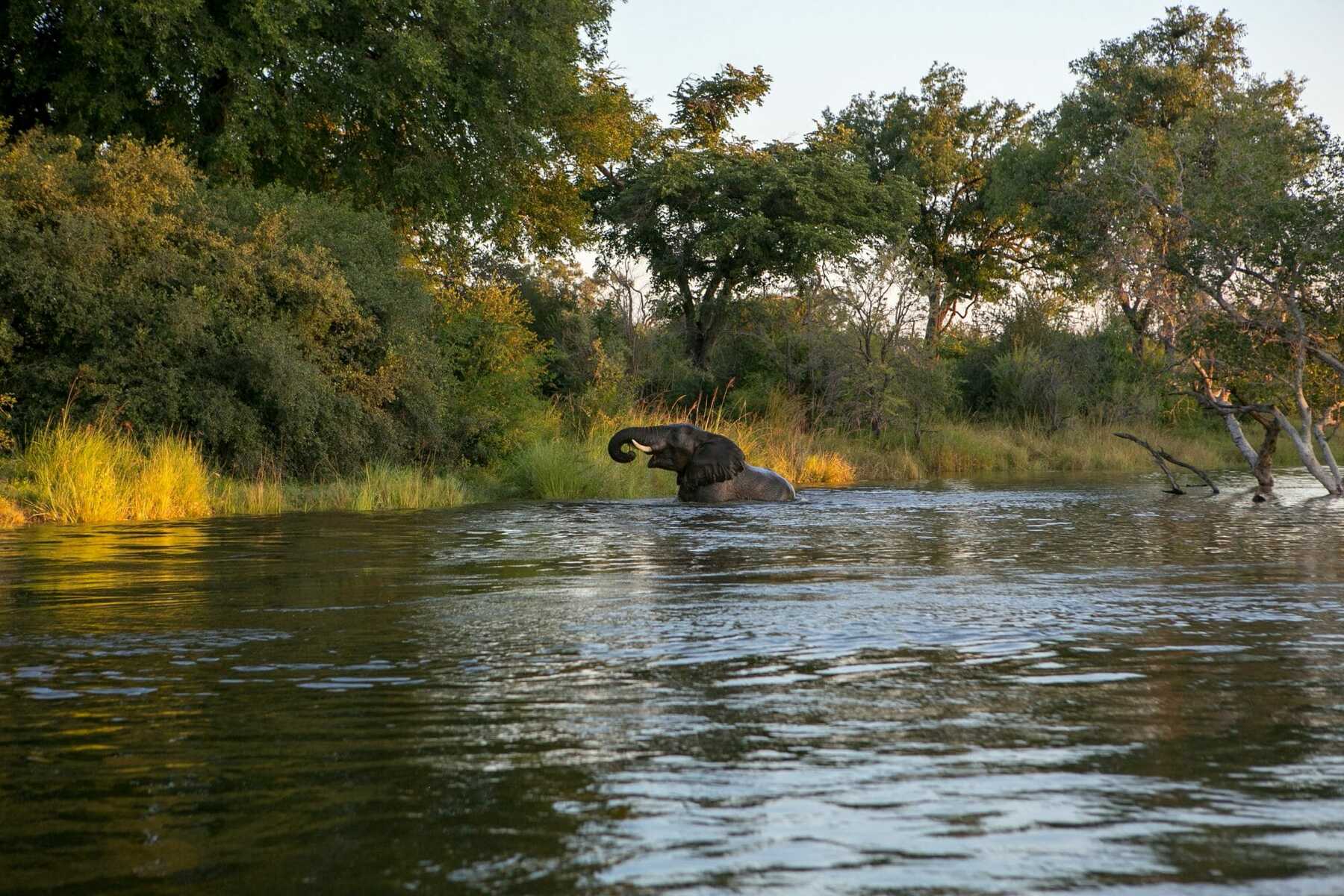
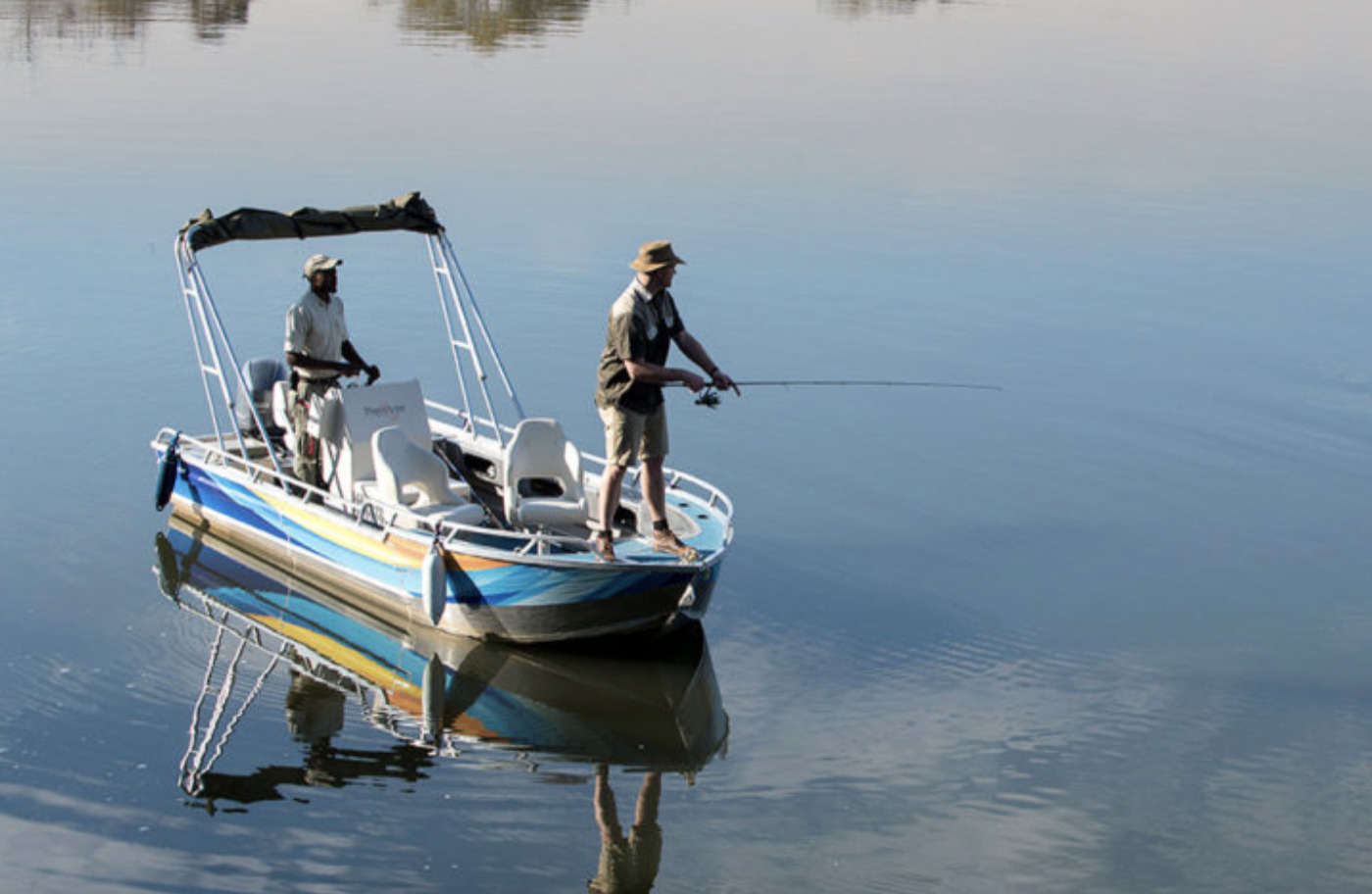
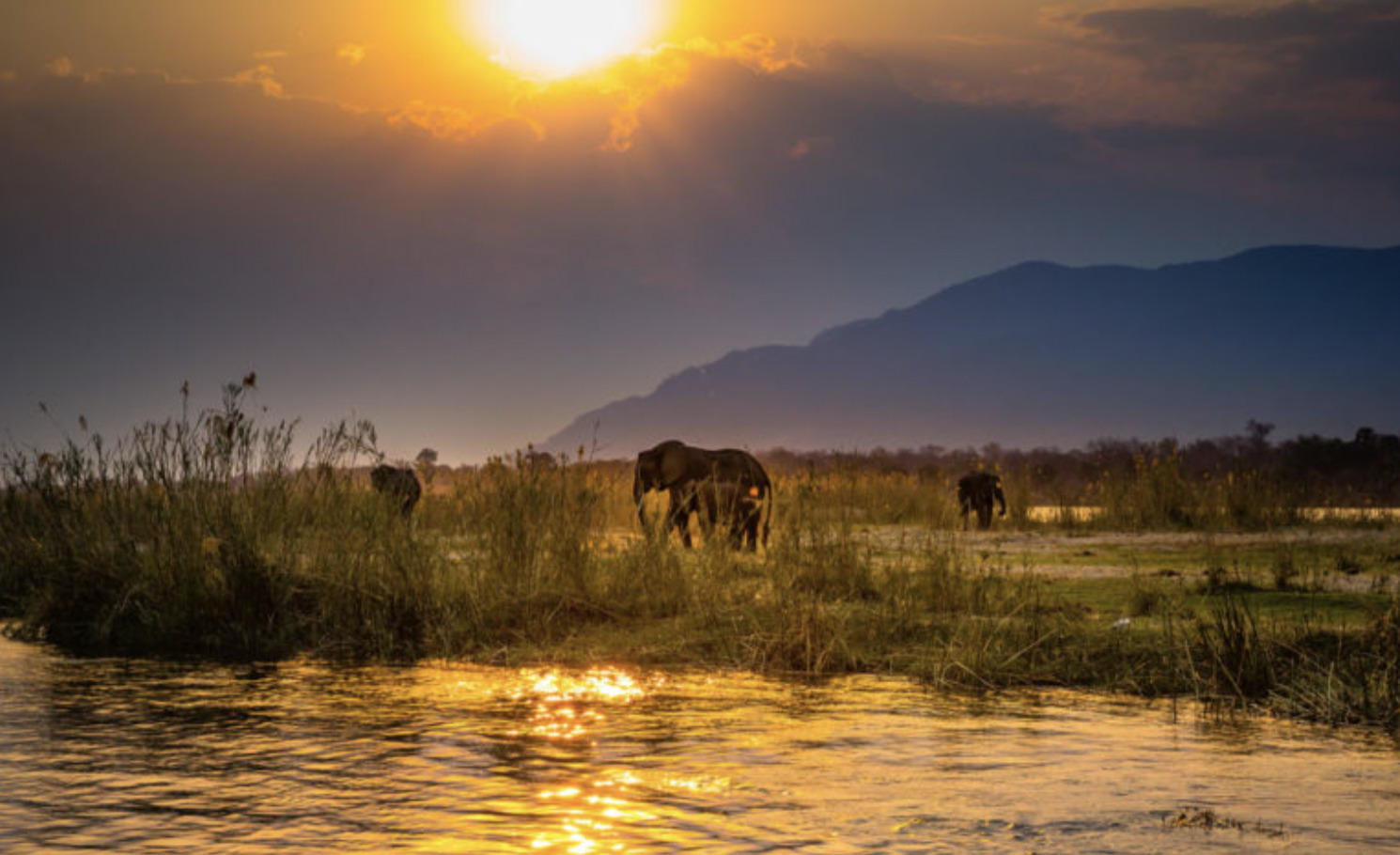
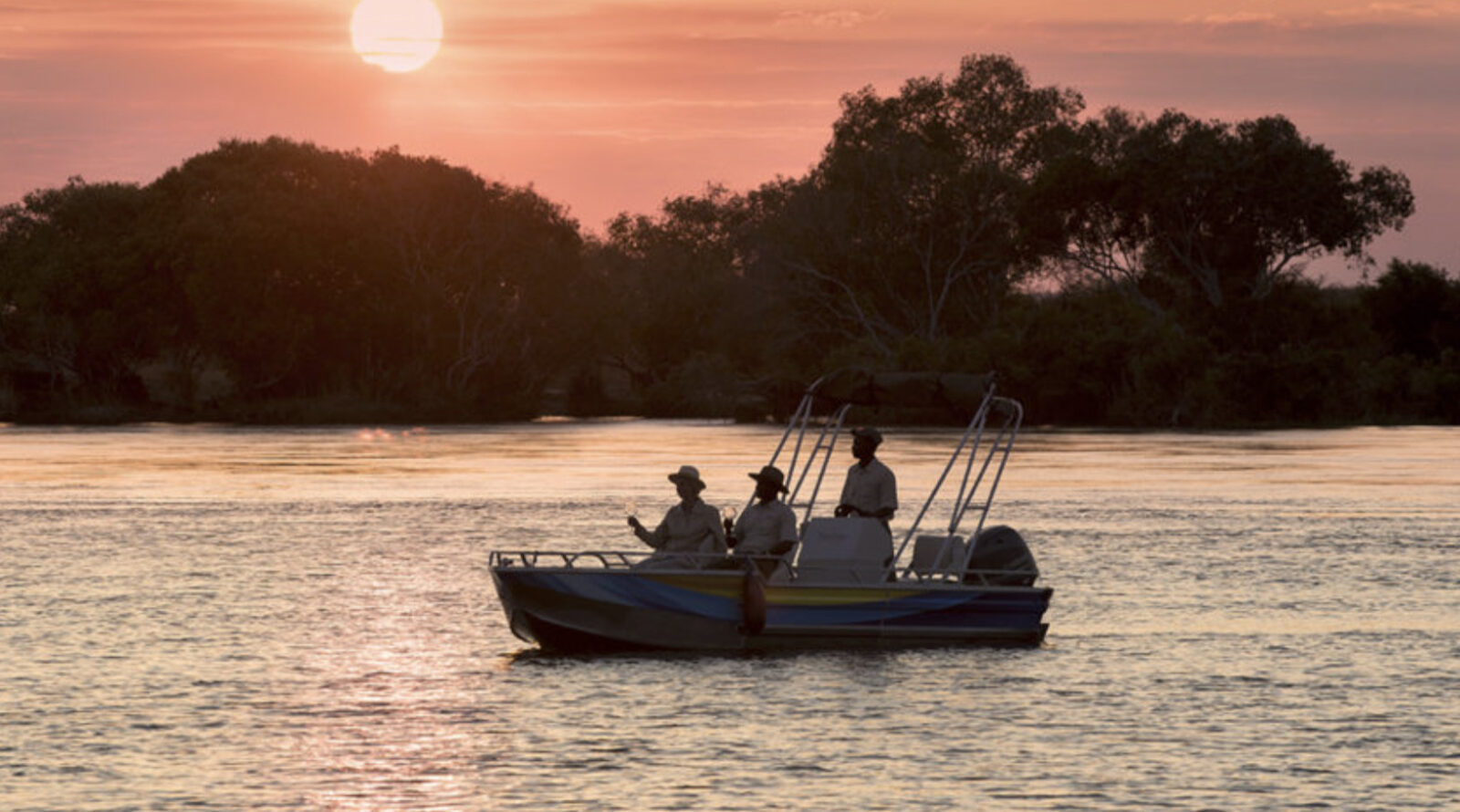
The hot stone bath on the Zambezi isn’t just romantic indulgence, it’s a ritual. You’re soaking in water heated by river stones, watching the sun set over the river while elephants cross to an island downstream and hippos vocalize their evening chorus. The guides here facilitate visits to local villages where tourism dollars directly support schools and clinics, where you’re not just observing culture but engaging with people who’ve chosen to share their world with you.
And speaking of guides,let’s talk about the caliber of guiding in Zambia.
A Guide’s Perspective: Where Expertise Becomes Art
One of my favorite guides in Zambia (I won’t name him because he’s booked solid, but if you come with us, you’ll likely meet him) once told me that the difference between a good guide and a great one is knowing when to be silent. He was tracking a leopard at the time, and we stood motionless for 15 minutes while he read the landscape, the direction of broken grass, the alarm calls of distant francolins, the behavior of a herd of impala 200 meters away.
Zambian guides, particularly in the walking safari strongholds, undergo some of the most rigorous training on the continent. They’re not just naturalists; they’re storytellers, protectors, and interpreters of a landscape they know intimately. The best ones can tell you which individual elephant passed through based on footprints, can predict where lions will move based on prey behavior, and can find a chameleon on a branch you’ve been staring at for three minutes without seeing.
This level of expertise transforms safari from wildlife viewing into wilderness education. You leave understanding not just what you saw, but why it matters, how it fits together, why this ecosystem functions the way it does.
What Our Guests Say: The Aaron Chan Experience
Aaron and his group have been traveling with Sikeleli for years, and when they chose Zambia for their latest adventure, they had high expectations. Here’s what Aaron shared with us:
“We’ve done safaris across Africa, but Zambia was different. Walking in South Luangwa with guides who knew every leopard by name, witnessing the bat migration at Kasanka that we didn’t even know existed, spending evenings at Royal Chundu with river experiences that felt both luxurious and authentic,this was the safari we’d been building toward. It wasn’t about checking boxes. It was about going deeper. Zambia delivered that in ways we’re still processing.”
Aaron’s group spent three weeks exploring South Luangwa, the Lower Zambezi, and Kafue, combining walking safaris with traditional game drives, adding the bat migration, and finishing with the grace and elegance of Royal Chundu. They saw 19 different leopards, spent an afternoon with a wild dog pack at a den site, tracked elephants on foot through the Luangwa floodplains, and left understanding why those of us who work in safari consider Zambia the gem that’s hiding in plain sight.
Planning Your Zambian Safari
Zambia isn’t a country you rush. The magic here unfolds with time, three weeks is ideal, two weeks minimum if you’re combining multiple parks. The best time depends on what you’re after: the green season (January-March) for photography and intimacy with fewer visitors, the dry season (June-October) for concentrated wildlife around water sources, October-December if you want to add the bat migration.
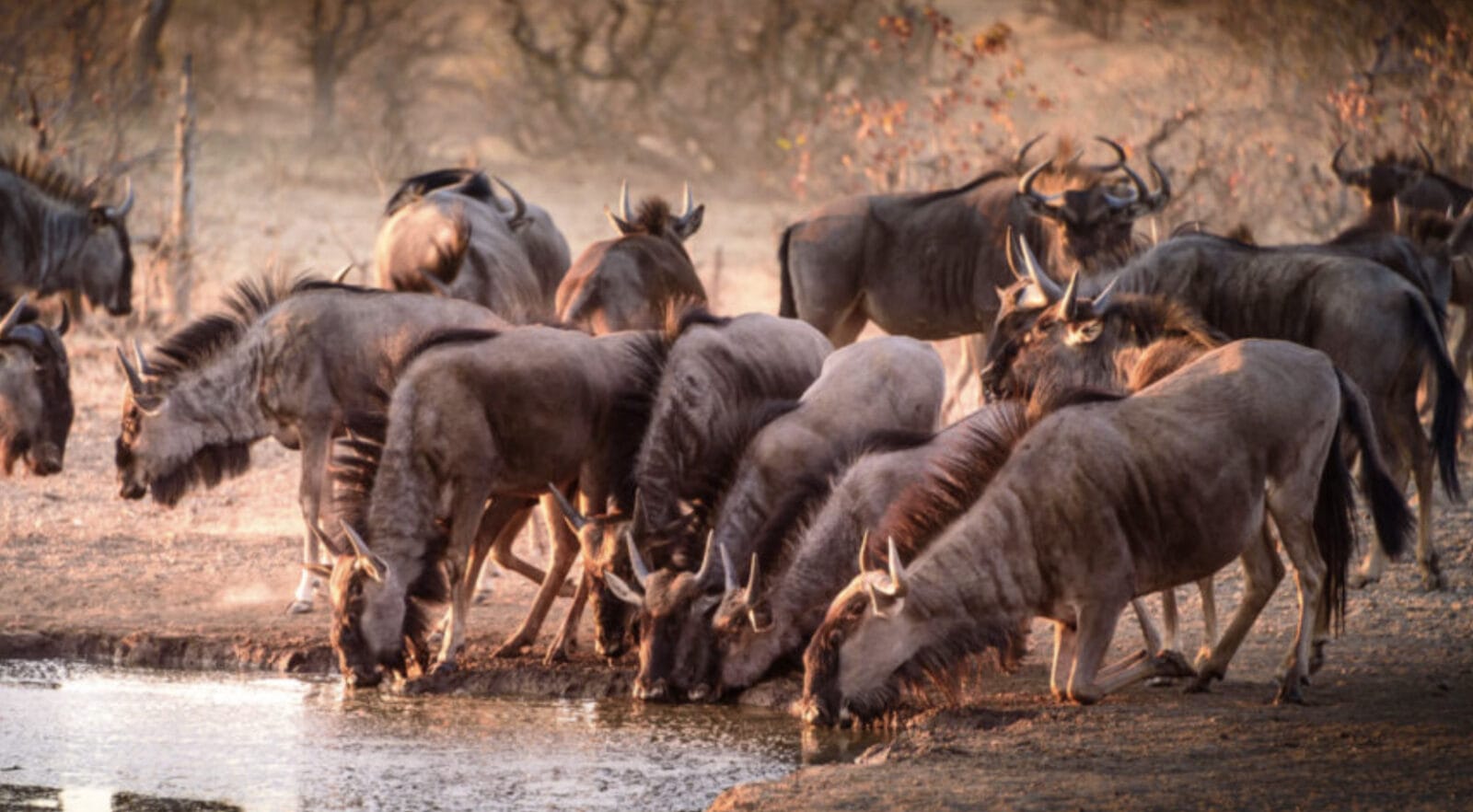
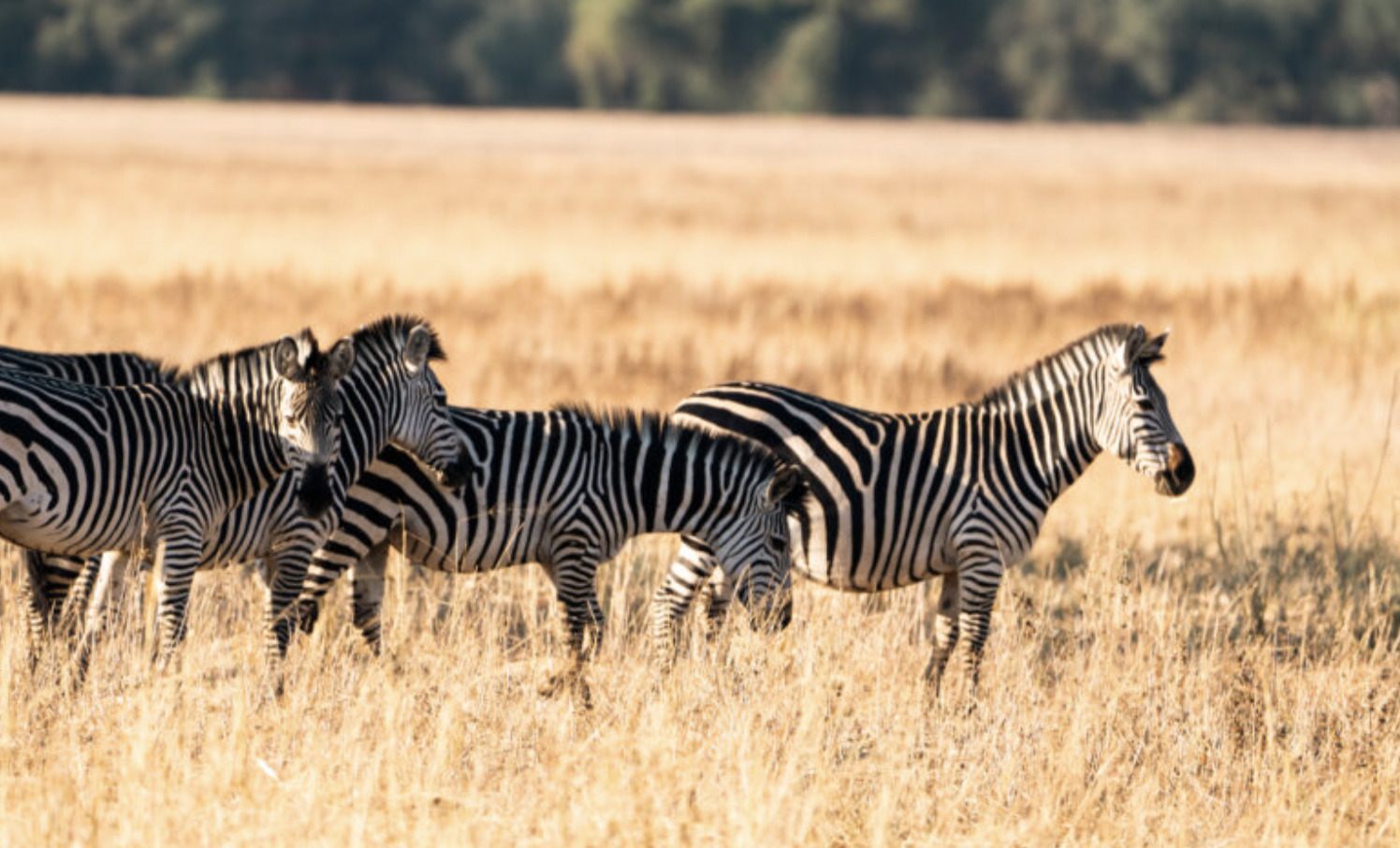
We love pairing South Luangwa with the Lower Zambezi, the contrast between the walking safari capital and the water-based wilderness creates a beautifully balanced journey. Add Kafue for those who want true remoteness, or Bangweulu for the shoebill seekers. Finish with Royal Chundu to decompress before the flight home, or start there to ease into the rhythm of Africa before heading into the deeper bush. All in all GREAT big cat sightings and wonderful plains game will be seen, Zambia has it all.
Why Zambia Now
There’s a particular moment in every safari veteran’s journey when the standard circuit starts feeling, a bit standard. When you’ve seen lions in the Serengeti and elephants in Chobe and the migration at the Mara crossing, and while none of it was disappointing, you’re ready for something that challenges your assumptions about what safari can be.
That’s Zambia. This is where you walk with wildlife instead of just watching it. Where you witness natural phenomena that most people don’t know exist. Where the lodges are superb but the landscape remains wild, where the guides are among the finest on the continent, and where you finish each day understanding something new about Africa and, honestly, about yourself.
I spent years in Kafue before starting Sikeleli because Zambia taught me what authentic travel means. It’s where I learned that the best experiences can’t be rushed, that expertise matters enormously, and that sometimes the places with the smallest footprints leave the largest impressions.
So if you’re ready for the Zambia that exists beyond the brochures,the walking safaris that test your courage and reward it tenfold, the leopards that allow you into their world, the bat migrations and shoebills and wild dogs and moments of pure wilderness that remind you why you fell in love with Africa in the first place,let’s talk.
This is a safari for those who are ready to go deeper. Zambia is waiting.
Ready to experience Zambia at this level?
Contact fungai@sikelelitravel.com or leonie@sikelelitravel.com or karen@sikelelitravel.com
We’ll curate the perfect Zambian safari for you, whether it’s your first time or your tenth, we’ll show you the Zambia that lives between the lines of every guidebook.